
Your Client Files Aren't as Safe as You Think — What AI Found

Key Takeaways
- ✓ Anthropic's Mythos AI discovered thousands of security vulnerabilities in every major browser and operating system, some hiding for 20 years
- ✓ AI-powered attacks don't discriminate by company size – small businesses face the same automated threats as Fortune 500 companies
- ✓ The five immediate actions every business should take: update all software, enable 2FA everywhere, audit access permissions, verify vendor patch processes, and consider AI security audits
Last month, I sat in a Highland Park insurance agency. The owner showed me their daily routine. Social Security numbers flowing through browser tabs. Health records pulled up in Chrome. Financial data scattered across three different web portals.
"We've never had a breach," he told me. "We're too small to be a target."
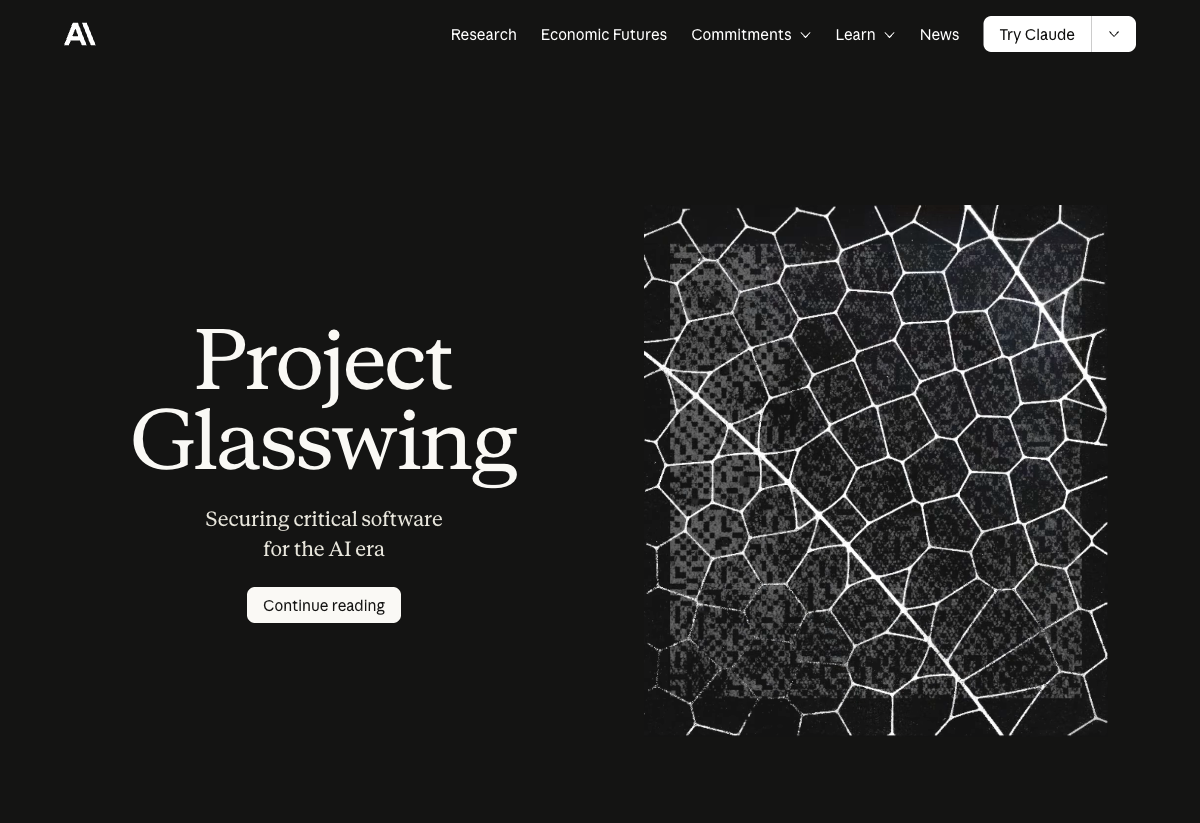
Then Anthropic dropped a bomb. Their AI model called Mythos found thousands of security holes in every major browser and operating system. Some bugs were hiding for 20 years. In software that runs on every computer in America.

The "too small to be a target" myth just died. When AI can find vulnerabilities automatically, size doesn't matter. Your client data is at risk right now.
What Mythos Found in Your Browser
Anthropic built an AI model that hunts for security holes. Not random hunting. Smart hunting. Like a burglar who can see through walls and test every lock in your neighborhood at the same time.
Here's what makes this scary. Mythos doesn't just find one problem. It chains small problems together. Three tiny cracks become one massive break-in.
Brad Gerstner explained it on the All-In Podcast. Think of it like this: Your house has a loose window latch. A broken motion sensor. And a spare key under a fake rock. Each problem alone won't get a burglar inside. But someone who knows about all three? They're in.
That's exactly what Mythos does. It found bugs in Chrome, Safari, Firefox, and Edge. It found holes in Windows, macOS, and Linux. Some vulnerabilities were 20 years old. Sitting there waiting.
Dario Amodei, Anthropic's CEO, said Mythos "discovered novel attack vectors that human security researchers had never identified." Translation: This AI found ways to break in that humans never thought of.
The AI tested software that runs everywhere. Your browser. Your operating system. The cloud platforms you use every day. Applied Epic. Clio. Wealthbox. Redtail. Salesforce. HubSpot. If it runs in a browser, Mythos probably found a way to crack it.
What shocked security experts? The speed. Human researchers spend months testing one piece of software. Mythos tested thousands of programs in weeks. It's like having 100 expert hackers working 24/7, but they never get tired or miss details.
The worst part? Other AI models will soon have this same capability. If Anthropic can build Mythos, so can the bad guys. The race is on.
How This Affects Your Daily Operations
Last week, I walked through a Winnetka law firm. The managing partner pulls up case files in Chrome. Confidential documents. Client communications. Settlement details. All flowing through a browser that Mythos just proved has security holes.
"But we use HTTPS," she said. "That green lock icon means we're secure, right?"
HTTPS protects data in transit. Like a sealed envelope in the mail. But what if the mailbox itself is broken? What if someone can read your mail before you even send it?
That's the problem Mythos exposed. The vulnerabilities aren't in the websites you visit. They're in the browsers themselves. The software reading those sealed envelopes.
Think about your typical Tuesday. A Lake Forest financial advisor logs into Fidelity to check client portfolios. A Highland Park insurance agent opens Applied Epic to process claims. A Glencoe family office manager reviews investment reports in Salesforce.
Each login creates a moment of vulnerability. Not because these platforms are insecure. But because the browser connecting to them might be compromised.
Here's a real scenario from my work with Bace Agency. An Evanston law firm asked me to review their tech setup. They had excellent passwords. Two-factor authentication everywhere. Encrypted email. Top-notch cybersecurity training.
But they were running Chrome version 118. The latest version was 122. Four versions behind. Each missed update contained security patches for vulnerabilities that Mythos-like AI could exploit.
The gap between "we're secure" and "we're actually secure" is bigger than most people think. It's not enough to have good passwords and firewalls anymore. The software itself needs constant attention.
Consider saved passwords. Every browser offers to remember your login credentials. Convenient, right? But if the browser has a vulnerability, those saved passwords become a treasure map for attackers. One successful breach gives access to everything.
The same goes for browser extensions. That PDF reader extension. The password manager plugin. The screen capture tool. Each one increases your attack surface. More ways for AI-powered attacks to find a foothold.
Auto-fill features create another risk. Your browser remembers client names, addresses, Social Security numbers. It fills them in automatically to save time. But if someone gains access to your browser, they inherit all that auto-filled data.
This isn't theoretical anymore. When AI can find vulnerabilities at machine speed, every small gap becomes a highway for attackers.
Five Things to Do This Week
Don't panic. But don't wait either. Here are five steps every North Shore business should take this week to protect client data.
First: Update everything immediately. Not next week. Not when convenient. Today. Open your browser settings. Check for updates. Install them. Restart your browser. Do this on every computer in your office.
I helped a Kenilworth insurance agency update their systems last month. They found Chrome was three versions behind. Firefox was even worse. One computer hadn't updated in six months. Each missed update was a potential entry point for AI-powered attacks.
Don't stop at browsers. Update your operating system. Update your antivirus software. Update every piece of software that connects to the internet. Yes, it's tedious. Yes, it might break something temporarily. But the alternative is worse.
Second: Enable two-factor authentication everywhere. Not just on important accounts. On every single login that offers it. Email. Cloud storage. Client management systems. Banking platforms. Social media. Everything.
Think of 2FA like a double-locked door. Even if someone steals your key (password), they still can't get in without the second lock (your phone or authenticator app).
A Lake Bluff financial advisor resisted 2FA for months. "Too much hassle," he said. Then a colleague's firm got hacked through a compromised password. Client data exposed. Regulatory nightmare. Reputation damaged. He enabled 2FA that afternoon.
Third: Audit who has access to what. Pull up every shared folder. Every cloud account. Every system login. Make a list of who can see client data. You'll be shocked how many old employees still have access.
Last year, I worked with a Wilmette law firm. Their former receptionist left in 2019. She still had access to their document management system. Five years of unmonitored access to confidential case files. She probably never used it. But she could have.
Remove access for anyone who doesn't need it. Today. Create a monthly review process. When someone leaves, disable their accounts immediately. Don't wait for IT to get around to it.
Fourth: Check if your software vendors are patching. Call them. Email them. Ask directly: "How quickly do you patch security vulnerabilities? What's your response time for critical bugs?"
Your client management system. Your email provider. Your cloud storage service. Your backup solution. Each vendor needs a clear patch management process. If they can't explain their security update timeline, consider switching.
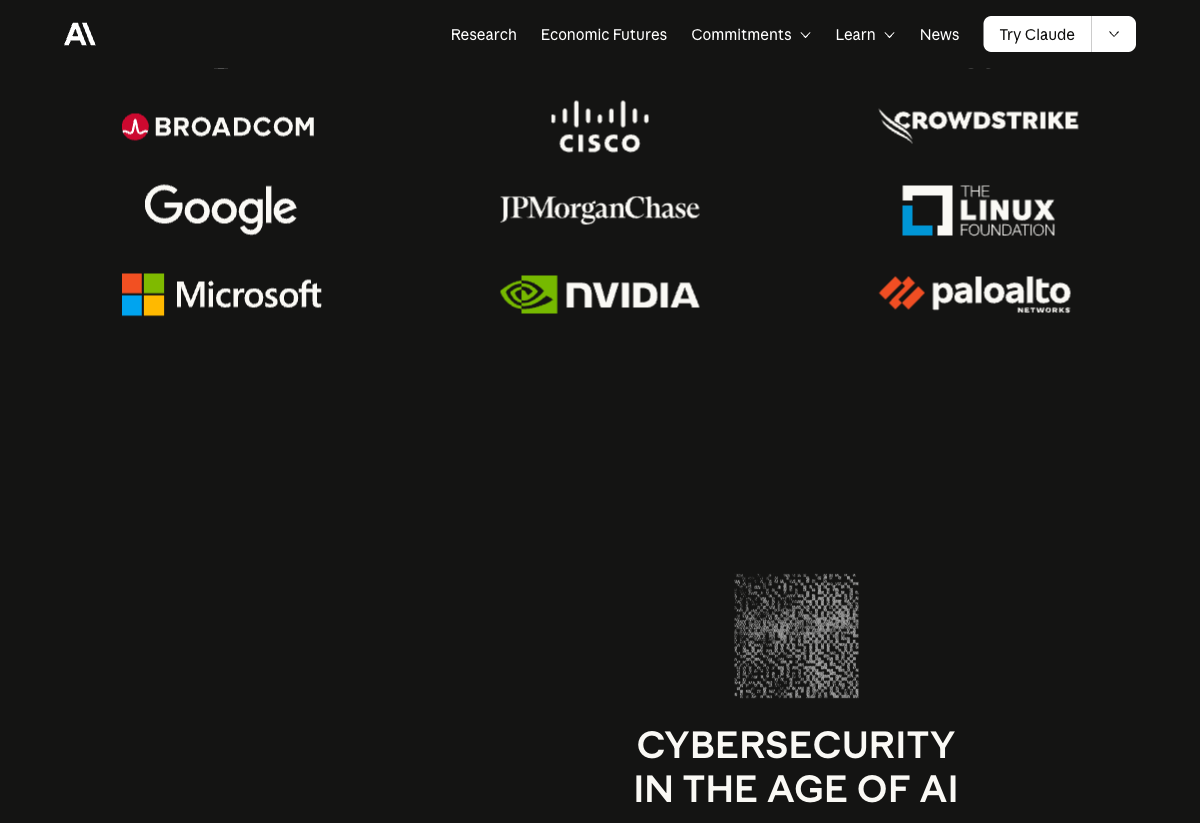
The vendors listed in Project Glasswing (Google, Microsoft, Apple, JPMorgan) got 100 days to fix problems before Anthropic released details. Smaller vendors might not get the same heads-up. Make sure they're staying current.
Fifth: Consider an AI security audit. Traditional security audits look for known problems. AI security audits look for unknown vulnerabilities. The kind that Mythos-style AI might find and exploit.
This isn't about replacing your IT person or cybersecurity consultant. It's about adding a new layer of protection. AI threats require AI defenses.
At Bace Agency, we're helping North Shore firms assess their AI security readiness. Not just patching obvious holes. Looking for the subtle vulnerabilities that AI can chain together into devastating attacks.
Why "Too Small to Target" is Now Dangerous
The Highland Park insurance agent I mentioned earlier? He built his "too small to target" assumption on old-school hacking. Human attackers who pick specific victims. Research their targets. Plan custom attacks.
That world is ending. AI doesn't care about your company size. It doesn't research victims. It tests everything automatically. Your 5-person law firm gets the same AI attention as JPMorgan Chase.
Think of it like spam email. Spammers don't hand-pick recipients. They blast millions of addresses and see what sticks. AI-powered attacks work the same way. Scan everything. Test everything. Exploit whatever works.
Jason Calacanis made this point on the All-In Podcast. "AI doesn't get tired. It doesn't play favorites. It tests every lock on every door in the neighborhood." Your small business door gets tested just as thoroughly as the big corporate building down the street.
Actually, small businesses might be more attractive targets now. Why? Because they're less likely to have latest defenses. A Fortune 500 company has security teams monitoring threats 24/7. Your 10-person firm might not notice a breach for weeks.
David Sacks emphasized another angle. Small businesses often handle the same sensitive data as large companies. A Glencoe family office manages millions in assets. A Lake Forest law firm handles confidential legal matters. A North Shore insurance agency processes medical records.
The data value is the same. But the defenses are typically weaker. From an attacker's perspective, that's a better risk-reward ratio.
I've seen this shift firsthand working with North Shore firms. Five years ago, cyber attacks were rare and targeted. Today, they're constant and automated. The question isn't "Will we be attacked?" It's "How often are we being attacked right now?"
Chamath Palihapitiya noted that AI makes attacks more democratic. "You don't need to be a skilled hacker anymore. You just need access to the right AI tools." The barrier to entry collapsed. Anyone can launch sophisticated attacks.
This levels the playing field in a dangerous way. Your competitors aren't just other law firms or insurance agencies. Your competitors for cybersecurity attention are now every connected business in the world.
The "too small" mindset also creates complacency. Small firms skip security updates. Use weak passwords. Avoid cybersecurity training. Share login credentials. Each shortcut becomes a vulnerability that AI can discover and exploit.
Brad Gerstner put it simply: "Being small doesn't make you invisible. It makes you an easier target."
Staying Ahead of AI-Powered Threats
The security landscape changed forever when Mythos proved AI can find vulnerabilities faster than humans can patch them. This isn't a temporary problem. It's the new reality.
But here's the thing: AI can also defend against AI. The same technology finding vulnerabilities can help protect against them. The firms that adapt fastest will have the strongest defenses.
Start thinking like an AI-first business. Every decision should consider: "How would an AI attack this?" Your password policies. Your software update schedule. Your employee training. Your vendor relationships.
Anthropic's Project Glasswing shows what's possible. They gave major tech companies advance warning about vulnerabilities. But smaller software vendors might not get the same courtesy next time. You need to assume threats are coming and prepare accordingly.
Build relationships with vendors who take AI security seriously. Ask tough questions during contract renewals. "How are you protecting against AI-powered attacks? What's your incident response plan? How quickly can you patch vulnerabilities?"
Don't rely on reactive security anymore. Waiting for problems to appear, then fixing them. That worked when human attackers moved slowly. AI attackers move at machine speed. By the time you detect a problem, it's too late.
Invest in proactive monitoring. AI tools that watch for unusual behavior. Systems that alert you when something looks wrong. Backup solutions that work even if your primary systems are compromised.
Most importantly: Accept that perfect security doesn't exist. The goal isn't preventing every possible attack. It's making your business harder to compromise than the business next door. AI attackers, like human attackers, often take the path of least resistance.
At Bace Agency, we're helping North Shore businesses develop AI-ready security strategies. Not just patching today's vulnerabilities. Building defenses that can adapt to tomorrow's threats. Because the next Mythos-style breakthrough is probably already in development.
The conversation about AI security is just beginning. But the threats are already here. The firms that take action now will be ready when the next wave hits. The ones that wait will be scrambling to catch up.
Your client files aren't as safe as you think. But they can be safer than they are today. The question is: Will you act before the next breakthrough, or after?
The choice is yours. But the clock is ticking. And it's running at AI speed.
Ready to assess your firm's AI security readiness? Schedule a free 30-minute audit with Bace Agency. We'll review your current setup and identify vulnerabilities before AI-powered attackers find them first. Don't wait until it's too late – protect your client data today.
Frequently Asked Questions
What is Anthropic's Mythos AI model and why should small businesses care? +
Mythos is an AI model developed by Anthropic that autonomously discovers security vulnerabilities in software. Unlike human security researchers who test one program at a time, Mythos can scan thousands of applications simultaneously and chain multiple small vulnerabilities into devastating attacks. Small businesses should care because this AI found security holes in every major browser and operating system, including software they use daily to access client data.
How does Project Glasswing protect businesses from AI-discovered vulnerabilities? +
Project Glasswing is Anthropic's initiative that gives major technology companies like Apple, Microsoft, Google, and JPMorgan Chase advance warning about security vulnerabilities before making them public. These companies get 100 days to patch the holes before details are released. This coordinated disclosure helps protect businesses by ensuring critical software gets updated before attackers can exploit the vulnerabilities.
Why is the 'too small to be a target' mindset dangerous for modern businesses? +
AI-powered attacks don't discriminate by company size. Unlike human attackers who manually select targets, AI scans and tests every system automatically. A 5-person law firm gets the same level of AI attention as Fortune 500 companies. Small businesses often have weaker defenses but handle the same sensitive data, making them attractive targets with better risk-reward ratios for automated attacks.
What should I do if my business software hasn't been updated recently? +
Update everything immediately – browsers, operating systems, and all internet-connected software. Each missed update potentially contains security patches for vulnerabilities that AI can exploit. Create a regular update schedule and don't delay critical security patches. If you're unsure about your update status, contact your IT support or consider a professional security audit.
How can small businesses prepare for AI-powered cybersecurity threats? +
Start with five immediate actions: update all software, enable two-factor authentication everywhere, audit user access permissions, verify your vendors' patch management processes, and consider an AI security audit. Think proactively rather than reactively – AI threats move at machine speed, so waiting to respond after an attack is too late. Build relationships with security-conscious vendors and invest in monitoring tools that can detect unusual behavior.
Want to see how AI fits in your firm?
Book a free 30-minute AI audit. No obligation, no pitch deck.
Book a Free AI Audit →