
What Anthropic's Valuation Means for Small Firms
The maker of Claude is now the most valuable AI startup, and the question of whether AI is a fad is over.


Key Takeaways
- ✓ Anthropic, the maker of Claude, raised $65 billion at a $965 billion post-money valuation in May 2026, passing OpenAI as the most valuable AI startup.
- ✓ The companies building these tools now have the money and the customers to keep building. Waiting for AI to "blow over" is no longer a sensible bet.
- ✓ The valuation does not change your Monday. What matters for a small firm is whether you have found one real workflow where AI saves time.
- ✓ Start narrow. Pick a task your team repeats every week, test AI against it for a month, and measure the hours before you commit to anything bigger.
In May 2026, Anthropic raised $65 billion at a $965 billion post-money valuation. That round made the maker of Claude the most valuable AI startup in the world, ahead of OpenAI, according to CNBC's reporting on the raise. The company has also filed confidentially for an IPO.
Big numbers like these are easy to ignore from a law office in Wilmette or an insurance agency in Highland Park. They feel like Silicon Valley news. But there is one plain takeaway under the headline, and it matters for small firms.
The question of whether AI is a passing fad is closed. The money has decided. What is left is a smaller, more useful question: where does it fit in your firm, and where does it not.
What the Valuation Actually Tells You
A valuation is a bet on the future. A $965 billion bet is a large one. It tells you that serious investors, including index funds that hold the retirement money of people on the North Shore, expect Claude and tools like it to be part of how businesses work for a long time.
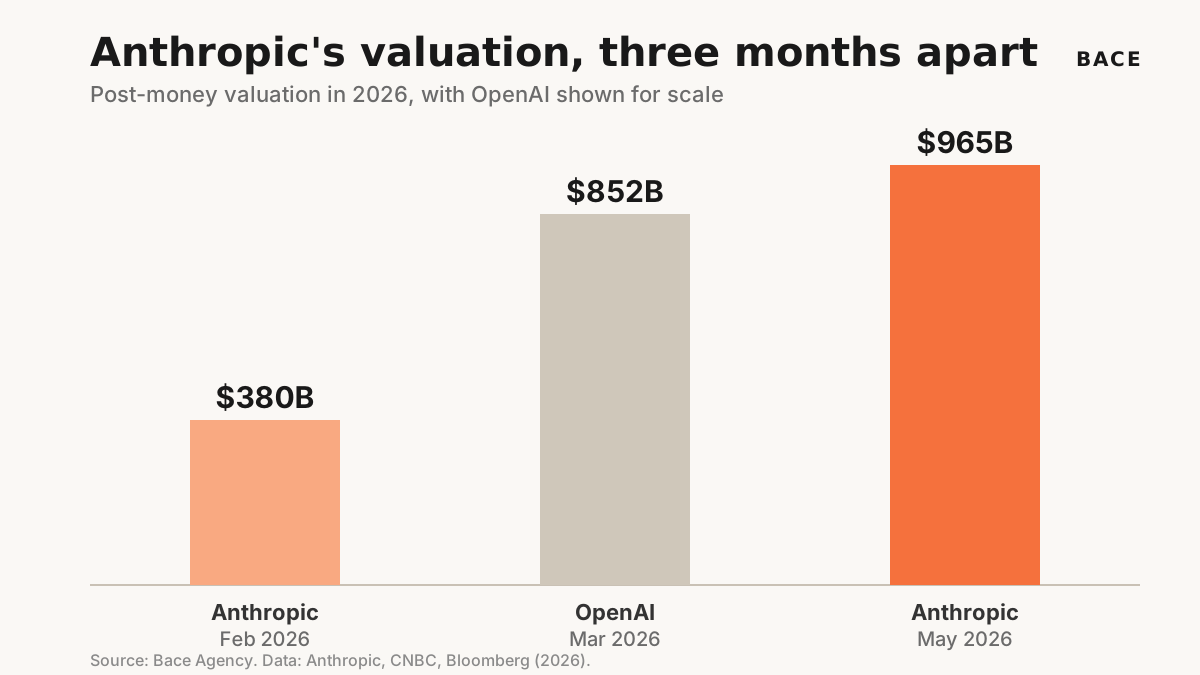
The revenue number matters more than the valuation. Anthropic reported run-rate revenue above $47 billion earlier in May. That is not hype money. That is companies paying for something because it does a job. When a product that did not exist a few years ago is doing that kind of business, it has stopped being a science project.
For a small firm, the practical signal is durability. The tools you would build a workflow on top of are backed by companies that can fund the next version, fix the bugs, and keep the lights on. That was a real risk two years ago. It is less of one now.
"The valuation is not your problem to solve. Your problem is the same as it was last month: one workflow, done better."
Michael Pavlovskyi, Bace AgencyWhy This Matters for Small Firms
I talk to a lot of owners who have been waiting. Their plan was reasonable: let the dust settle, see if AI is real, then move once it is safe. The valuation closes that plan. The dust has settled. AI is real enough that the largest investors in the world are pricing it as durable.
That does not mean you should rush. It means the reason to wait has changed. Waiting because you are not sure AI will last is no longer a sound reason. Waiting because you have not found the right first workflow is fine. The difference matters, because one is fear and the other is judgment.
The firms that get value out of AI are not the ones with the biggest budgets. They are the ones that picked a narrow, boring task and made it work before moving on. A North Shore insurance agency we worked with went from AI-skeptical to eliminating 22 hours a week of data entry by starting with one process, not twenty. A family office on the North Shore reclaimed 32 hours a week the same way.
Where to Actually Start
Forget the valuation for a minute. The right first step is to find one task your team does every week that is repetitive, rule-based, and low-judgment. Drafting a standard client email. Pulling data from a PDF into a spreadsheet. Summarizing a long document into a one-page brief. Those are the jobs where AI earns its keep fast.
You can test the idea yourself before you spend anything. Take a real task from this week, hand it to Claude, and see how close it gets. If you want a structured way to find your best candidate, our AI Readiness Quiz walks through it in a few minutes.
SAMPLE CLAUDE PROMPT
"Here is a task my team does every week: [describe the task in plain language, including what comes in, what goes out, and how long it takes]. Walk me through whether AI could handle most of it, what a person would still need to check, and the three biggest risks if we tried to automate it. Be honest if it is a bad fit."
Pick one workflow, not your whole firm
Choose a task that is repeated weekly, follows clear rules, and does not require legal or financial judgment. The narrower it is, the easier it is to test and measure. You are looking for a base hit, not a home run.
Run it for a month and count the hours
Test the AI version against how your team does it now. Keep a person reviewing the output for sensitive work. At the end of the month, you will have a real number: hours saved, errors caught, and whether anyone actually used it.
Only then decide whether to go wider
If the first workflow paid off, expand to the next one. If it did not, you learned that cheaply and you stop. This is how our consulting work on the North Shore is structured: prove it small, then scale what works.
What This Does Not Replace
A record valuation does not make AI good at everything. It is still poor at judgment calls, at reading a client's situation, and at being accountable for a legal or financial decision. Those belong to your people. A draft from a model is still a draft until a human signs off.
It also does not replace the work of mapping your own operation. The valuation tells you the tools are here to stay. It tells you nothing about where they fit in your specific firm. That part is still a conversation about how your team actually works, which is the part we focus on at Bace.
Data handling is its own question, and it has an answer. For firms that need tighter control, we can set up private, local AI that runs on hardware the client owns, so sensitive documents never leave the building. We scope that into the engagement when the work requires it.
The next twelve months will not be about whether AI is real. That argument is over. They will be about which firms quietly turned one repetitive task into hours back every week, and which ones are still waiting for a sign that already arrived. If you run a firm on Chicago's North Shore and want help finding your first workflow, a free 30-minute AI audit is the right starting point. We look at how your team spends its week and point to where AI would actually help. In person on the North Shore or by video. No obligation.
Frequently Asked Questions
What is Anthropic and how is it related to Claude? +
Anthropic is the AI company that makes Claude, the assistant many firms use for writing, summarizing, and document work. In May 2026 it raised $65 billion at a $965 billion valuation, which made it the most valuable AI startup.
Does a high valuation mean AI is right for my firm? +
No. The valuation signals that the tools are durable and well funded, not that they fit your firm. The real test is whether you have a repetitive, rule-based workflow where AI saves measurable time. A high valuation is a reason to stop dismissing AI, not a reason to adopt it everywhere.
I waited to see if AI would last. Did I fall behind? +
Not necessarily. Waiting cost you some time, but the cost of a smart first project has dropped and the tools are better than they were. The firms that win are the ones that start narrow and measure, not the ones that started first. You can begin this month.
What is a good first AI project for a small professional services firm? +
Pick a weekly task that is repetitive and low-judgment: drafting standard emails, pulling data out of PDFs, or summarizing long documents into briefs. Test it for a month, keep a person reviewing the output, and count the hours saved before expanding. Our automation work on the North Shore follows this pattern.
Will my firm's data be safe if we use these tools? +
It depends on how the tool is set up. For firms that need tighter control, there are private and local options that keep data on your own machines. We scope data handling for every engagement and can set up private local AI where the work requires it. This is part of the audit conversation, not an afterthought.
Related Articles
Small North Shore Firms Are Beating Big Ones to AI
While a national firm spends a year debating AI strategy, the small practice down the street already answers clients faster. The gap compounds every week.

What North Shore Firms Should Not Automate
Most AI consultants will automate anything you point at. Here is the short list I tell clients to leave alone.
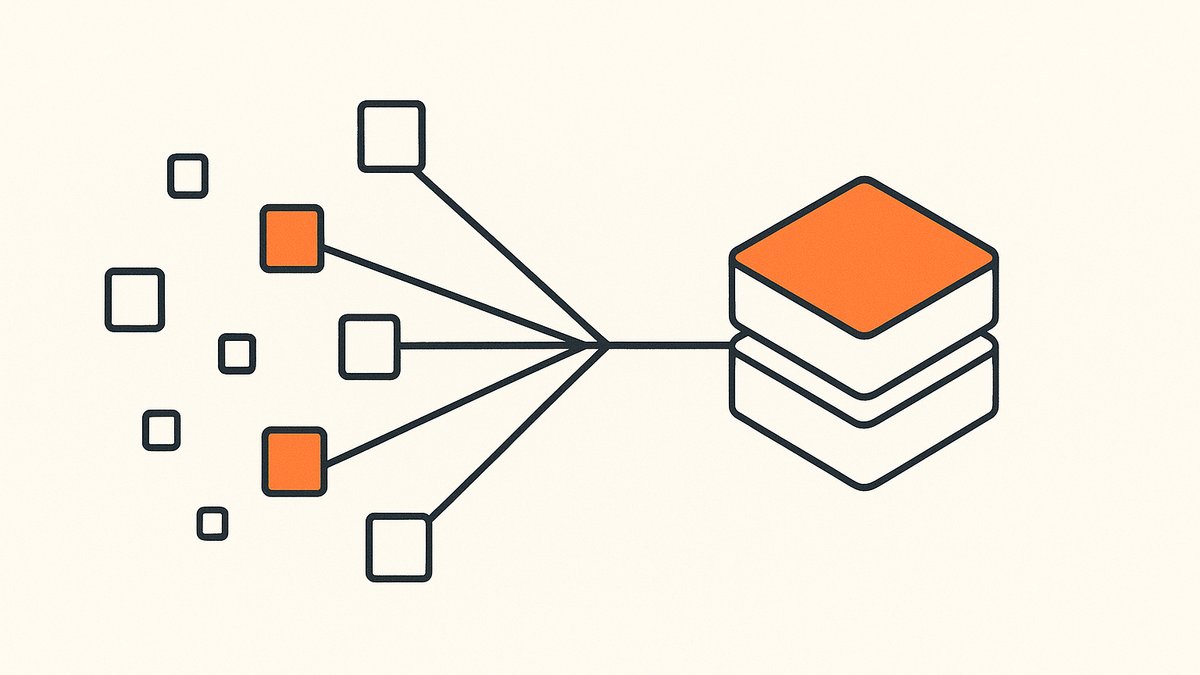
One AI Stack Beats Tool Sprawl
Tool sprawl is not a sign your North Shore firm is ahead on AI. Here is how to pick one anchor platform, set a retirement date for the rest, and make adoption actually stick.
About the author

Written by
Michael Pavlovskyi
Founder, Bace Agency
Michael builds custom Claude and GPT workflows for insurance agencies, law firms, and PE firms on Chicago's North Shore. Speaker at Northwestern and Lake Forest College on practical AI adoption for professional services.
Connect on LinkedInSee it in your firm
Book an audit.
A free 30-minute AI audit. No obligation, no pitch deck.
Book a free AI audit