
Stop Issuing COIs by Hand in Wilmette
A Wilmette agency can hand the policy file to a model and have the ACORD 25 drafted in seconds. A licensed person still signs off, because that is where the risk lives.

Key Takeaways
- ✓ Certificate of insurance automation uses AI to read the policy file and draft the ACORD 25, then routes it to a licensed person to approve before it goes out.
- ✓ A certificate is evidence only. It confers no coverage by itself, so the human review step is not optional.
- ✓ The real win is speed and fewer re-keying errors during renewal season, not taking the producer out of the loop.
- ✓ AI cannot grant a holder additional insured status. That still requires an endorsement on the policy.
Certificate of insurance automation is the one job almost every Wilmette agency could fix this quarter and almost none have. A commercial lines client lands a new contract on a Friday afternoon, the general contractor needs proof of coverage before Monday, and a CSR drops what she is doing to pull the policy, re-key the limits onto an ACORD 25, and email it out. Multiply that by every account during renewal season and you have a steady tax on the day.
The work is real, but most of it is transcription. A model can read the underlying policy and draft the certificate. The part you keep is the judgment: a licensed person checking that the form is right before it leaves the building. That split, machine drafts and a human approves, is the whole idea, and it is the reason this is safe to do at an agency.
What Does Certificate of Insurance Automation Actually Do?
A certificate of insurance (COI) is a one-page summary of an active policy. Most agencies issue it on the ACORD 25, the standard certificate of liability insurance used across the industry. It lists the carrier, policy number, coverage lines, limits, and effective dates so a third party can see that coverage exists. Certificate of insurance automation is the use of AI to read the source policy, pull those fields, and draft the ACORD 25 for a person to check.
The reading is the part that changed. A model can open a policy PDF, including scanned pages and tables, and return the fields in a structured form. Anthropic's documentation on PDF support describes Claude reading text, tables, and images on each page together, which is what a declarations page actually is. The model is not guessing at a layout. It is reading the document the way a CSR does, only faster, and it does not get tired on the fortieth one.
What you build around that is a short pipeline. The request comes in, the system finds the policy, drafts the ACORD 25 with the holder and description the client asked for, and puts it in a review queue. Nothing sends on its own. A person opens the draft, confirms it matches the policy, and releases it. We cover the same document-reading pattern for other paperwork in our piece on AI document processing for financial advisors, and the mechanics carry straight over to an agency.
Why This Matters for a Wilmette Agency
For a commercial lines agency in Wilmette, COIs are the kind of task that never shows up on a profit-and-loss statement and quietly eats capacity anyway. Each certificate is small. The volume is not. Certificates are the daily version of the renewal problem: steady, repetitive, and easy to get wrong under time pressure.
The cost is two things at once. There is the labor, hours of CSR time that could go to quoting and service work. There is the error risk, because a number typed wrong at 4:45 on a Friday is the kind of mistake that surfaces months later when a holder needs the certificate to mean something. A North Shore insurance agency we worked with eliminated 22 hours a week of data entry, detailed in our published case studies, and certificate work is exactly the sort of repetitive entry that frees up.
"The certificate is mostly transcription. Hand the transcription to the machine and keep the part that needs a license."
Michael Pavlovskyi, Bace AgencyUse Case 1: Draft the ACORD 25 From the Policy File
The everyday case, where most of the hours hide.
A holder request comes in, and instead of a CSR re-keying limits by hand, the model reads the policy and drafts the certificate. The CSR reviews and sends. The first pass is done in seconds, and the person spends their time checking rather than typing.
SAMPLE CLAUDE PROMPT
"Read the attached commercial general liability policy. Draft the field values for an ACORD 25 certificate of liability insurance: named insured, carrier, policy number, each coverage line with its limits, and effective and expiration dates. List anything on the form you cannot find in the policy so I can confirm it before I issue."
Use Case 2: Batch the Renewal-Season Reissues
One renewal, many certificates, one review pass.
When a policy renews, every certificate tied to it needs new dates and limits. A model can take the renewed policy and the list of existing holders and draft the updated certificates as a set, each one queued for review. The producer approves the batch instead of rebuilding each one from scratch.
SAMPLE CLAUDE PROMPT
"Here is the renewed policy and a list of current certificate holders with their descriptions of operations. For each holder, draft an updated ACORD 25 with the new policy number, limits, and dates, keeping each holder's existing description. Flag any holder whose prior certificate referenced coverage the renewed policy no longer carries."
Use Case 3: Flag Risky Holder Requests Before They Go Out
Catch the overreach before issuing, not after a claim.
Some certificate requests ask for more than a certificate can give: additional insured wording, a waiver of subrogation, primary and noncontributory language. A model can read the request against the policy and flag where the holder is asking for something the policy does not actually grant, so the producer catches it before issuing.
SAMPLE CLAUDE PROMPT
"Compare this certificate request to the attached policy. Identify any request for additional insured status, waiver of subrogation, or primary and noncontributory wording. For each, tell me whether an endorsement on the policy actually supports it, or whether issuing the certificate as requested would overstate the coverage."
Manual COI Process Versus AI-Assisted Issuance
| Dimension | Manual issuance | AI-assisted, human-reviewed |
|---|---|---|
| First draft | CSR re-keys fields from the policy by hand | Model drafts fields from the policy file in seconds |
| Turnaround | Behind the queue, sometimes next business day | Draft ready immediately, review the same hour |
| Re-keying errors | Rise with volume and time pressure | Lower, because the source is read, not retyped |
| After hours | Waits for a person to be at a desk | Draft prepared, held for morning review |
| Who signs off | Licensed person | Licensed person, every time |
What Certificate Automation Does Not Replace
This is the part to be honest about, because it is where agencies get into trouble. A certificate does not create coverage. The ACORD 25 itself says it plainly: it "is issued as a matter of information only and confers no rights upon the certificate holder." Speeding up the drafting does not change that one inch. The producer's review is the control that keeps a fast certificate from becoming a wrong one.
The sharpest example is additional insured status. A certificate that names a holder as additional insured grants nothing on its own. As one construction-law firm puts it, certificates of insurance do not guarantee additional insured coverage. That status only exists if the policy carries the endorsement to back it. AI can flag when a request asks for it. AI cannot grant it, and neither can the certificate. The endorsement is a coverage decision that stays with the carrier and the licensed producer.
So the agent's errors and omissions exposure does not move to the software. It stays with the firm. That is the right way to think about it: the model removes the typing, and the producer keeps the liability and the judgment. Build it any other way and you have automated a mistake.
How to Get Started
Pick one certificate flow
New holder requests on commercial general liability policies is the cleanest place to begin. One form, high volume, clear rules.
Keep a person in the loop on day one
Every draft goes to review before it sends. You are speeding up the work, not removing the license from it.
Measure the before and after
Time ten certificates the way you issue them now, then time ten through the new flow. The difference is your proof, not a number anyone made up.
If you want a read on whether your agency is ready for this, our AI readiness quiz is a low-commitment way to start. When you want to map the actual certificate flow and what it would take to build, we offer a free 30-minute AI audit, in person on the North Shore or by video. The first certificate you stop typing by hand is the one that pays for the rest.
Frequently Asked Questions
What is certificate of insurance automation? +
Certificate of insurance automation uses AI to read an active policy file and draft the ACORD 25 certificate, which a licensed person then reviews and issues. It removes the manual re-keying of carrier, limits, and dates while keeping a human approval step before anything goes to a holder.
Can AI issue a certificate of insurance on its own? +
No, and it should not. AI drafts the certificate from the policy, but a licensed producer reviews and releases it. A certificate is evidence of coverage and confers no rights by itself, so a person stays responsible for confirming it matches the policy before it is issued.
Does AI change an agent's errors and omissions exposure on COIs? +
No. The agent keeps the same responsibility and E&O exposure. Automation speeds up the drafting, but the producer still reviews each certificate, and the firm still owns the accuracy of what it issues.
Can automation add a certificate holder as additional insured? +
No. Additional insured status comes only from an endorsement on the policy, not from the certificate. AI can flag a request that asks for it, but the coverage decision stays with the carrier and the licensed producer.
Related Articles
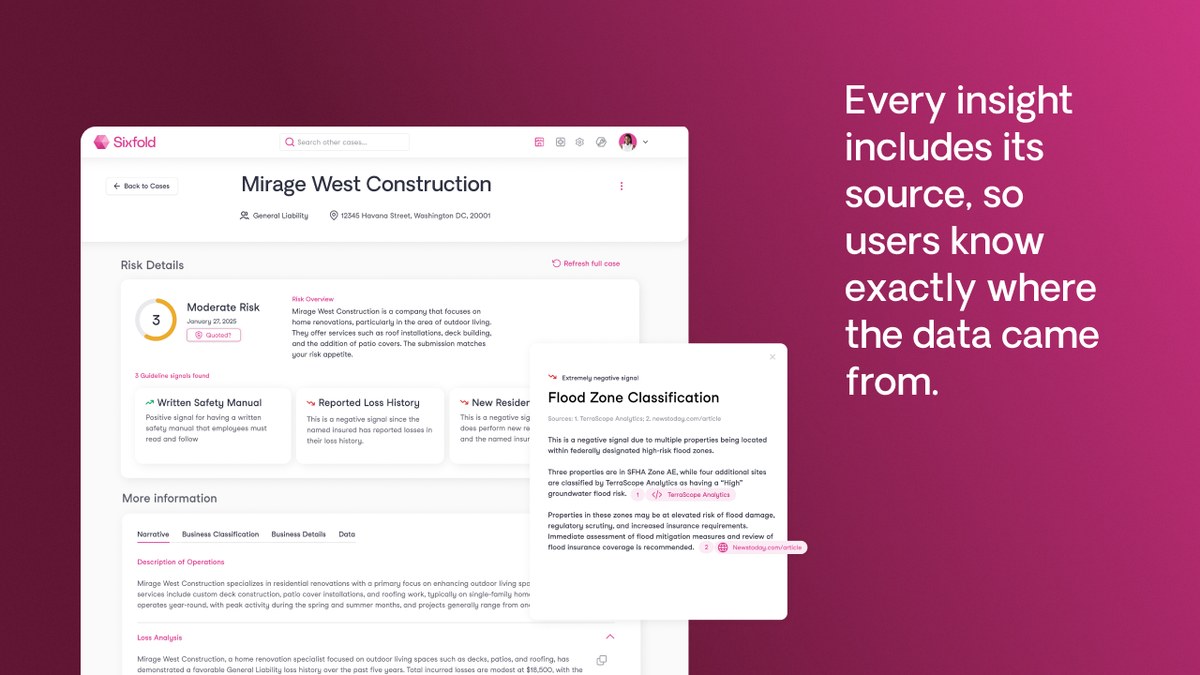
What AI Agents Can Do at an Insurance Agency
AI agents can already draft renewal letters and summarize loss runs. Binding coverage and underwriting judgment still belong to a licensed human.
Win Back a Day a Week at Your Highland Park Agency
Pick wrong and you automate a task that happens twice a month. Pick right and you hand off a full day every week. Here are the three high-volume, low-judgment workflows a Highland Park agency should automate first.

The Insurance Software Decision Most Agencies Get Wrong
Most independent agencies shop for agency management software by feature list. The better question is whether the platform will hand your data to an AI tool without a six-month integration fight.
About the author

Written by
Michael Pavlovskyi
Founder, Bace Agency
Michael builds custom Claude and GPT workflows for insurance agencies, law firms, and PE firms on Chicago's North Shore. Speaker at Northwestern and Lake Forest College on practical AI adoption for professional services.
Connect on LinkedInSee it in your firm
Book an audit.
A free 30-minute AI audit. No obligation, no pitch deck.
Book a free AI audit