
Win Back a Day a Week at Your Highland Park Agency
Start with the three jobs that burn the most hours and need the least judgment: data entry, certificates, and renewal prep.

Key Takeaways
- ✓ The fastest payback in a property and casualty agency comes from automating the high-volume, low-judgment work first: submission data entry, certificates of insurance, and renewal preparation.
- ✓ Submission and policy data entry is the place to start. AI can read an ACORD application and the carrier email and draft the entry into your agency management system, with a person checking it before it saves.
- ✓ Certificate of insurance requests are the highest-frequency task on a commercial lines desk, and almost none of the routine ones need human judgment.
- ✓ McKinsey tells large insurers to rewire one to three functions end to end rather than scatter pilots. The same discipline scales down to a small Highland Park agency choosing what to automate first.
Most independent insurance agencies on the North Shore run on a small team and a long list of repetitive tasks. If you own or run a Highland Park agency, the question is not whether AI can help. It is which insurance workflows to automate first, before you spend a dollar on the rest.
Pick wrong and you automate a task that happens twice a month. Pick right and you hand off work that eats a full day every week. The answer is not exciting, and that is the point. Start with the high-volume, low-judgment work: the typing, the certificates, the renewal prep. None of it needs a licensed producer, all of it runs every day, and each has a clear before and after you can measure. Here are the three to automate first, and the ones to leave alone.
Where Should an Insurance Agency Start With AI?
Start where the work is repetitive and the judgment is low. For a small agency, that means the service desk, not underwriting. Your agency management system (AMS) is the software where policies, clients, and activities live, usually Applied Epic, AMS360, EZLynx, or HawkSoft. Most of the daily grind is moving information into and out of that system, and that is exactly the kind of work a model handles well.
The discipline matters more than the tool. McKinsey's 2025 report on the future of AI in the insurance industry tells large carriers to rewire one to three functions end to end rather than scatter pilots that never add up. The same holds at agency scale: pick a few workflows, finish them, and skip the ten half-built experiments. Three automations your team actually trusts will change the week. That is what it means to treat AI as workflow automation built around how your agency already works.
Why These Three Workflows Come First
Three tests decide what to automate first: how often the task runs, how much licensed judgment it needs, and whether you can measure the before and after. Submission data entry, certificates, and renewal prep score well on all three. They run every day, they follow a pattern, and none of them requires a producer's signature to do the work, only to approve it.
Contrast that with the work that should wait. Coverage advice, binding decisions, and a hard conversation about a declined claim carry real judgment and real exposure. Those stay with people. A new-business proposal sits in the middle: useful to automate, but it sells the account, so it comes after the basics are running. We made that case separately for commercial lines proposals at Highland Park brokers. First, get the high-volume typing off your team's plate.
Use Case 1: Submission and Policy Data Entry
Let the model read the application and write the fields. You check them.
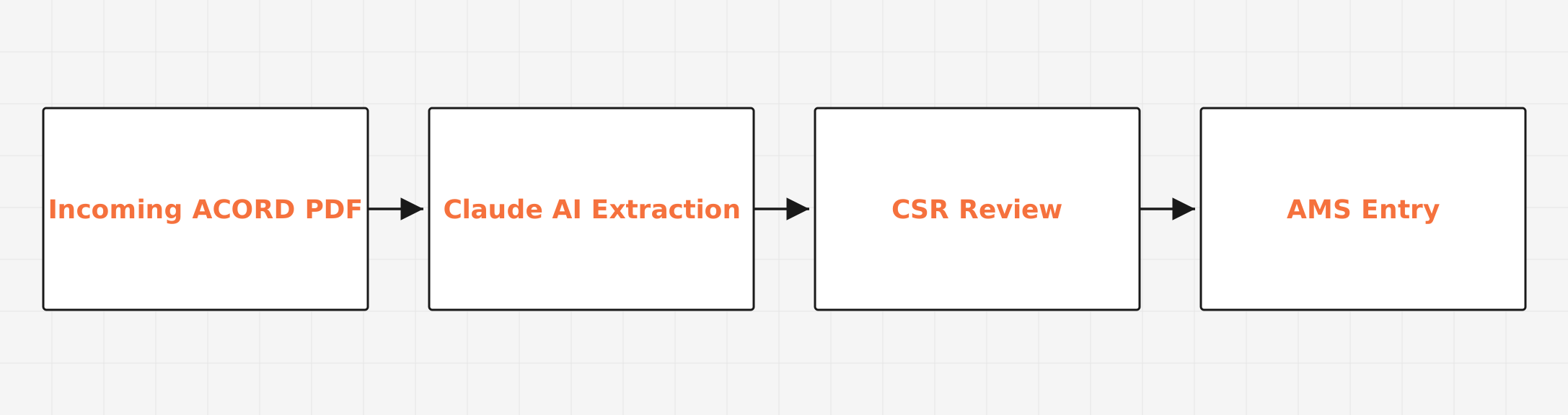
This is the place to start. ACORD is the Association for Cooperative Operations Research and Development, the nonprofit that has set standardized insurance forms since 1970, and per its public record there are more than 850 form variants in circulation. A new account or an endorsement arrives as an ACORD PDF and a carrier email, and a CSR re-keys it into the AMS field by field. It is slow, it is dull, and it is where transcription errors creep in that surface six months later at audit.
A model is good at exactly this. AI can read the ACORD application and the carrier documents, then draft the AMS entry, with a person checking before it saves. The point is not to remove the human. It is to let the human review a finished draft instead of typing from scratch. Anthropic's Claude reads documents and pulls structured fields from messy PDFs, which is the core of this workflow. A North Shore agency that did this stopped doing 22 hours a week of data entry, the kind of result you can read in our North Shore insurance case study.
SAMPLE CLAUDE PROMPT
"You are helping a property and casualty CSR. Read the attached ACORD 125 and 126 and the carrier email. Pull the named insured, mailing address, FEIN, entity type, requested effective date, lines of business, and prior carrier. Return them as a table that matches our AMS field names (paste your field list). Flag any field that is blank, illegible, or inconsistent between the application and the email. Do not guess. Mark anything you are unsure about as NEEDS REVIEW."
"You are not trying to remove the person. You are trying to let the person review a finished draft instead of typing one from scratch."
Michael Pavlovskyi, Bace AgencyUse Case 2: Certificate of Insurance Requests
The highest-frequency task in the office, and almost none of it needs you.
A certificate of insurance (COI) is the one-page proof of coverage a client sends a landlord, a vendor, or a general contractor. On a commercial lines desk these come in all day, and most are routine: a known holder, standard language, an existing policy. The work is repetitive and the judgment is near zero, which is why it is such a clean second workflow.
AI can read the request, match it to the policy in the AMS, draft the certificate, and route the exceptions to a person. The exceptions are the whole game. A request that asks for an additional insured, a waiver of subrogation, or specific contract wording is where a wrong certificate becomes an errors and omissions problem. So the routine ones get drafted in seconds, and anything nonstandard stops and waits for a licensed review. That split, automate the routine and escalate the rest, is the same pattern that makes AI agents safer than most owners expect when they are built with a human in the loop.
SAMPLE CLAUDE PROMPT
"Read this certificate of insurance request email. Identify the certificate holder, the requested coverages and limits, and any special wording requested (additional insured, waiver of subrogation, primary and noncontributory, specific contract language). Compare the request against the attached policy summary. If everything requested is already on the policy and standard, draft the certificate description. If the request asks for anything not on the policy, stop and flag it as NEEDS PRODUCER REVIEW with the reason."
Use Case 3: Renewal Preparation
Get the file ready before the renewal lands on a producer's desk.
Renewal prep is gathering. Pulling the expiring policy, the loss runs, and the exposure changes, then building the summary a producer needs before re-marketing. Done by hand, it is a few hours per account that nobody enjoys, and when it slips, renewals go out late and upsells get missed. AI can assemble the pre-renewal packet from the AMS and the carrier documents so the producer opens a finished file instead of a blank one.
This is the workflow with the most strategy in it, so the line matters: the model gathers and drafts, the producer decides what to do with the account. We went deeper on the timing and the cost of missed renewals in our piece on why Winnetka agencies automate renewals before Q4. The prep is the part to hand off first.
SAMPLE CLAUDE PROMPT
"Build a renewal prep summary for the attached account, renewing in 60 days. From the expiring policy and the loss runs, list the current carrier, premium, limits, and deductibles, any claims in the last three years, and any exposure changes flagged in the file. Then draft three questions for the producer to ask the client before re-marketing. Do not contact anyone. Output a one-page summary."
The First Three, Side by Side
The three share the same shape: high volume, low judgment, easy to measure. Here is how they line up, and where the human stays in each one.
| Workflow | How often it runs | Judgment needed | What AI does | What stays human |
|---|---|---|---|---|
| Submission and policy data entry | Every new account and endorsement | Low | Reads ACORD forms and carrier docs, drafts the AMS entry | CSR checks the fields before save |
| Certificate of insurance requests | All day, every day | Near zero for routine | Matches request to policy, drafts the certificate | Producer reviews nonstandard requests |
| Renewal preparation | Every renewal cycle | Low to gather, higher to strategize | Assembles the pre-renewal packet | Producer sets strategy and re-markets |
What Should You Automate After the First Three?
Once the basics run clean and your team trusts them, the next tier is fair game. Claims intake and first-pass review carry more judgment, but they also carry the biggest time sink in a hard claim, which is why we wrote about cutting E and O review time on claims as a later step, not a first one. Compliance tracking is similar: more rules, more risk, but a clear payoff once the foundation is in place, as we covered in compliance automation for Wilmette agencies. The order is the point. Earn trust on the simple workflows, then move up.
What This Does Not Replace
None of this replaces a licensed producer. AI drafts the data entry, the certificate, and the renewal packet. A person reviews and signs. Coverage advice, binding authority, and the judgment call on a nonstandard certificate stay with someone who holds the license and carries the errors and omissions exposure. A certificate that names an additional insured the policy does not actually cover is an E and O problem, and the model will not catch it for you unless a person is set up to review the exceptions. Build the human review in from day one. That is not a weakness of the system. It is the system.
The Bottom Line
The roadmap is not complicated. Automate the three workflows that run every day and need the least judgment, submission data entry, certificates, and renewal prep. Keep a licensed person on every result. Then earn the trust to move up to claims and compliance later. The order is what separates an agency that gets time back from one that runs ten pilots and keeps all its typing.
Start with one this week. Count how many certificates your team issued last week, or how many minutes a single new-business entry takes, then multiply across the month. That number is your before. The after is what a focused build buys back.
Not sure which one to start with?
See where your agency stands with the free AI readiness quiz, or book a free 30-minute AI audit in person on the North Shore or by video, and we will tell you which of the three to automate first.
Frequently Asked Questions
Which insurance workflow should an agency automate first? +
Start with submission and policy data entry. It runs on every new account and endorsement, it follows the standardized ACORD forms, and it needs no licensed judgment, so it has the fastest and clearest payback of any task on the desk.
Will AI replace my CSRs or producers? +
No. The pattern that works keeps a person on the result. AI drafts the data entry, the certificate, or the renewal packet, and a CSR or licensed producer checks and signs it. It removes the typing, not the judgment.
Do I need to change my agency management system to use AI? +
Usually not. The automation reads from and writes to the AMS you already run, whether that is Applied Epic, AMS360, EZLynx, or HawkSoft. The goal is to fit your current system, not to make you buy a new one.
Is it safe to let AI handle certificates of insurance? +
For routine certificates that match an existing policy, yes, with review. The risk is in nonstandard requests like an additional insured or a waiver of subrogation, which create errors and omissions exposure, so those should always route to a licensed person before the certificate goes out.
How long does it take to automate one of these workflows? +
It depends on the workflow and the state of your data, so the honest answer is directional. A single, well-scoped workflow like certificates is a smaller build than a full renewal pipeline. Start with one, measure the time it gives back, then expand to the next.
Related Articles
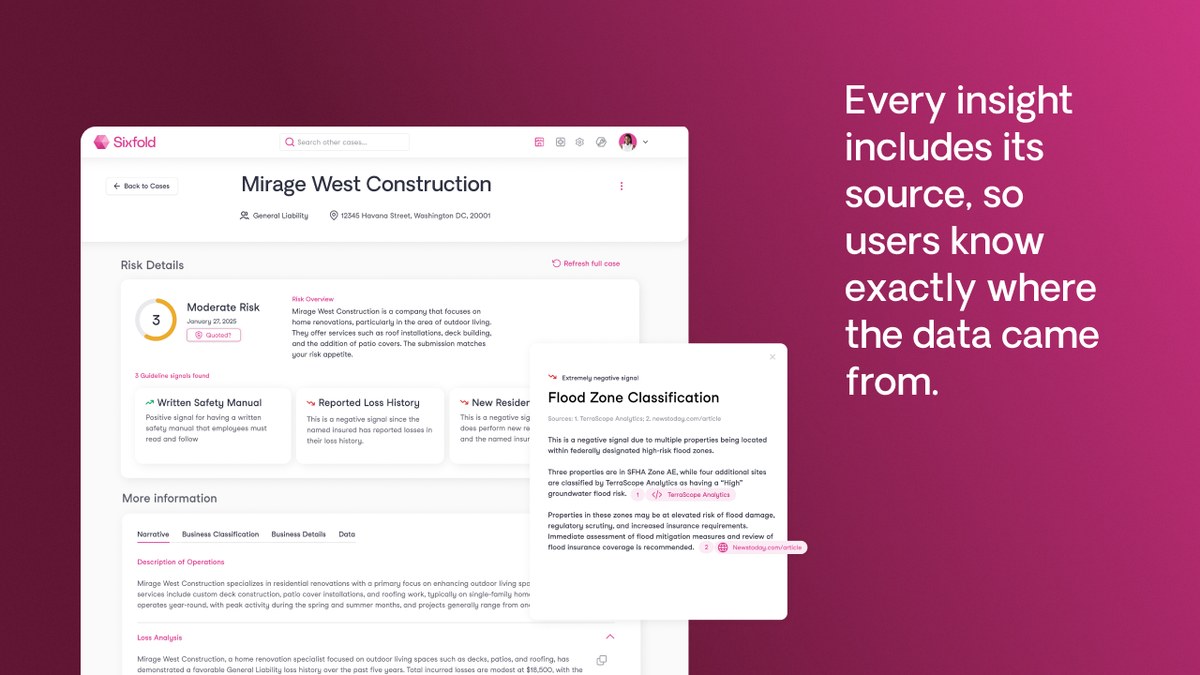
What AI Agents Can Do at an Insurance Agency
AI agents can already draft renewal letters and summarize loss runs. Binding coverage and underwriting judgment still belong to a licensed human.
Stop Issuing COIs by Hand in Wilmette
A Wilmette agency can hand the policy file to a model and have the ACORD 25 drafted in seconds. A licensed person still signs off, because that is where the risk lives.

The Insurance Software Decision Most Agencies Get Wrong
Most independent agencies shop for agency management software by feature list. The better question is whether the platform will hand your data to an AI tool without a six-month integration fight.
About the author

Written by
Michael Pavlovskyi
Founder, Bace Agency
Michael builds custom Claude and GPT workflows for insurance agencies, law firms, and PE firms on Chicago's North Shore. Speaker at Northwestern and Lake Forest College on practical AI adoption for professional services.
Connect on LinkedInSee it in your firm
Book an audit.
A free 30-minute AI audit. No obligation, no pitch deck.
Book a free AI audit