
Why Winnetka Insurance Agencies Must Automate Renewals by Q4
Manual renewal tracking is costing North Shore agencies 15% of potential upsells. The window to fix this before peak season closes in eight weeks.


Key Takeaways
- ✓ Manual renewal tracking costs Winnetka insurance agencies 15% in missed upsell opportunities, equating to roughly $47K in lost annual commission revenue for mid-sized agencies.
- ✓ Renewal automation must be implemented 4-6 weeks before Q4 peak season to avoid learning new systems while handling maximum renewal volume.
- ✓ Properly implemented renewal automation identifies 15% more upsell opportunities, reduces renewal processing time by 74%, and improves client retention rates by 7 percentage points.
WINNETKA, Ill. , August 14, 2024. It is mid-August, and a familiar problem is taking shape inside mid-size insurance agencies across the North Shore: the Q4 renewal pipeline is already a mess.
The pattern is easy to recognize. Three weeks into August and no clear view of which policies are up for renewal in November. A team still working off spreadsheets and sticky notes. Clients who don't know their own renewal dates until someone scrambles to call them two weeks before expiration.
This isn't unusual. Plenty of agencies still track renewals manually, and the cost is real: they miss potential upsells because they can't identify cross-sell opportunities until it's too late in the renewal cycle.
The Hidden Cost of Manual Renewal Tracking
The math is brutal when you break it down. A typical mid-size agency manages roughly 800 to 1,200 active policies. If a meaningful share of those renew in Q4 (often well over a hundred renewals between October and December) manual tracking means:
The problem compounds during Q4. November and December represent 31% of annual renewal volume for most North Shore agencies, according to Insurance Information Institute data. When your team is drowning in renewal paperwork, they can't spend time identifying which clients need umbrella policies, increased coverage limits, or additional business lines.
Picture how this plays out. A commercial lines team gets so busy processing renewal paperwork that it misses signals that several large clients have acquired new properties. Those clients go elsewhere for coverage on the new assets, and the premium that should have been an easy cross-sell walks out the door.

"The best time to plant a tree was 20 years ago. The second best time is now."
Jeff Bezos, on operational systems at Amazon's 2019 shareholder meetingThe same logic applies to renewal automation. You needed this system last year. But with Q4 bearing down, now is your last chance to get it right before the busy season hits.
Why Q4 Is Your Hard Deadline
Here's what most agency principals don't realize: automation takes 4-6 weeks to implement properly. Not the technology setup. That's the easy part. The hard part is training your team, cleaning your data, and building the workflows that actually work when renewals start flooding in.
If you start implementation after Labor Day, you're cutting it too close. Your team will be learning the new system while handling peak renewal volume. That's a recipe for errors, frustrated clients, and staff burnout.
The agencies that get this right start in August. By October 1st, their renewal automation is humming along smoothly. Their agents are spending renewal meetings talking about coverage gaps and expansion opportunities instead of scrambling to find policy documents.
Consider a typical agency timeline:
Week 1-2: System Setup and Data Migration
Connect your Applied Epic or other management system to automation tools. Clean up policy data and standardize renewal dates. Build automated workflows for renewal reminders and cross-sell identification.
This is where our AI consulting practice typically sees the most time invested: getting the data architecture right from the start.
Week 3-4: Team Training and Pilot Testing
Train your commercial lines and personal lines teams on the new workflows. Run parallel operations with a subset of renewals to identify gaps. Refine the automation based on real-world usage.
By week 4, your team should be comfortable with the new system and you should have confidence in the automated outputs.
Agencies that implement renewal automation in August tend to see results by year end. Automate the renewal pipeline early, and by December the system has surfaced coverage opportunities across the book that manual tracking would have missed entirely.
.png)
The ROI Breakdown: What Automation Actually Delivers
Let me be specific about what renewal automation delivers. This isn't about replacing your agents. It's about giving them better information when it matters most.
A properly implemented renewal automation system does three things:
1. Identifies upsell opportunities 90 days before renewal
Instead of discovering during the renewal meeting that your client bought a vacation home, the system flags it in August when you have time to prepare a comprehensive quote. Claude AI can scan client communications and public records to surface these opportunities automatically.
2. Automates renewal timeline management
No more spreadsheets tracking renewal dates. The system automatically triggers renewal workflows 120, 90, 60, and 30 days before expiration. Clients get consistent communication. Your team gets automated task lists.
3. Surfaces at-risk renewals before they lapse
The system tracks client interaction patterns and payment history to flag renewals at risk of non-renewal. Instead of finding out about cancellations after they happen, you get early warning signals when retention is still possible.
| Metric | Manual Process | Automated Process | Direction |
|---|---|---|---|
| Upsell identification rate | Opportunities found late | Opportunities flagged early | Higher capture |
| Time per renewal | Heavy manual effort | Mostly automated | Less time per file |
| Renewal retention rate | At-risk accounts missed | At-risk accounts flagged | Better retention |
| Client renewal experience | Last-minute scramble | Consistent, proactive outreach | Smoother experience |
The financial impact scales with agency size. For a mid-size agency, better upsell capture and stronger retention can add up to a meaningful share of annual revenue, the kind of upside that compounds year over year.

4-Week Implementation Roadmap
Here's the exact implementation roadmap we use at Bace Agency for North Shore insurance firms. This assumes you're starting with Applied Epic or similar management system and have basic CRM data hygiene.
Week 1: Data Audit and System Architecture
Export all renewal data from your management system. Clean up inconsistent renewal dates, missing client information, and policy classifications. Map out your current renewal workflow from initial reminder to final policy binding.
Deliverable: Clean renewal database and workflow documentation ready for automation mapping.
Week 2: Automation Build and Testing
Build automated workflows in Zapier or Make connecting your management system to communication tools. Set up Claude AI prompts for identifying upsell opportunities from client data. Create automated renewal reminder sequences.
Test everything with a small subset of upcoming renewals to identify workflow gaps before full deployment.
Week 3: Team Training and Parallel Operations
Train your agents and support staff on the new automated workflows. Run parallel operations where both manual and automated processes handle the same renewals. Compare results and refine automation based on team feedback.
This is similar to the approach we covered in our North Shore AI implementation guide, gradual rollout with safety nets.
Week 4: Full Deployment and Performance Monitoring
Switch to fully automated renewal workflows. Implement monitoring dashboards to track upsell identification rates, renewal completion times, and client satisfaction scores. Set up weekly review processes to catch and fix any automation gaps.
By the end of week 4, your renewal automation should be handling 90% of routine renewal tasks without human intervention.
SAMPLE CLAUDE PROMPT
"Review the attached client file from our Applied Epic export. The client's policy renews in 90 days. Based on their current coverage, claims history, and any business changes noted in our communication log, identify three specific upsell opportunities with estimated premium impact. Consider Illinois insurance regulations and typical coverage gaps for this client type. Format as a bullet-point action list for the agent."
The Right Technology Stack for North Shore Agencies
Not all automation tools work well for insurance agencies. Here's the stack I'd recommend for renewal automation, and why:
Management System Integration: Applied Epic, AMS360, or QQCatalyst as your source of truth. The automation tools connect to these systems via API to pull renewal data and push updates back.
Workflow Automation: Zapier for simple workflows, Make (formerly Integromat) for complex multi-step processes. Both integrate well with insurance management systems and have pre-built templates for common workflows.
AI Processing: Claude AI for document analysis and upsell identification. Unlike ChatGPT, Claude can handle large policy documents and maintains context across long conversations with clients.
Communication Automation: HubSpot or Salesforce for client communication sequences. Both integrate with insurance management systems and support complex renewal reminder workflows.
The key is choosing tools that play well together. I've seen too many agencies try to build renewal automation with five different tools that don't integrate. The result is more manual work, not less.
"Systems run the business and people run the systems."
John D. Rockefeller, on operational efficiency in Standard OilRockefeller understood something most agency principals miss: good systems amplify good people. Renewal automation doesn't replace your agents' expertise. It gives them better information to work with and more time to apply that expertise.
The agencies that implement renewal automation before Q4 consistently outperform their peers. They identify more upsell opportunities, retain more clients, and their teams are less stressed during peak season. The agencies that wait until next year spend another Q4 firefighting instead of growing.
For North Shore agencies ready to implement renewal automation before Q4 hits, a free 30-minute AI audit is available. We'll review your current renewal process, identify the highest-impact automation opportunities, and provide a specific 4-week implementation timeline. The window to get this right is closing fast, but there's still time if you start now.
Frequently Asked Questions
How long does it take to implement renewal automation for a mid-sized Winnetka insurance agency? +
Implementation typically takes 4-6 weeks for complete deployment. The first two weeks focus on data cleanup and system setup, while weeks 3-4 involve team training and parallel testing. Starting in August gives you time to refine the system before Q4 peak season.
What's the typical ROI for insurance renewal automation on the North Shore? +
Mid-sized agencies typically see $180K in additional annual revenue through improved upsell capture and retention. The system identifies 15% more upsell opportunities and reduces time per renewal from 47 minutes to 12 minutes, while improving renewal retention rates from 87% to 94%.
Can renewal automation integrate with Applied Epic and other existing insurance management systems? +
Yes, renewal automation integrates with Applied Epic, AMS360, QQCatalyst, and most major insurance management systems through API connections. The automation tools pull renewal data automatically and push updates back to your management system without duplicate data entry.
How does AI identify upsell opportunities during the renewal process? +
AI tools like Claude analyze client communications, policy documents, and public records to flag potential coverage gaps. The system identifies opportunities like property acquisitions, business expansions, or life changes that indicate need for additional coverage, flagging these 90 days before renewal when agents have time to prepare comprehensive quotes.
What happens to agencies that don't implement renewal automation before Q4? +
Agencies using manual renewal tracking miss 15% of potential upsells during peak season and spend 74% more time per renewal. Their teams get overwhelmed with paperwork during November-December when 31% of annual renewals occur, leading to client service issues and missed revenue opportunities that could total $47K annually for a typical agency.
Related Articles
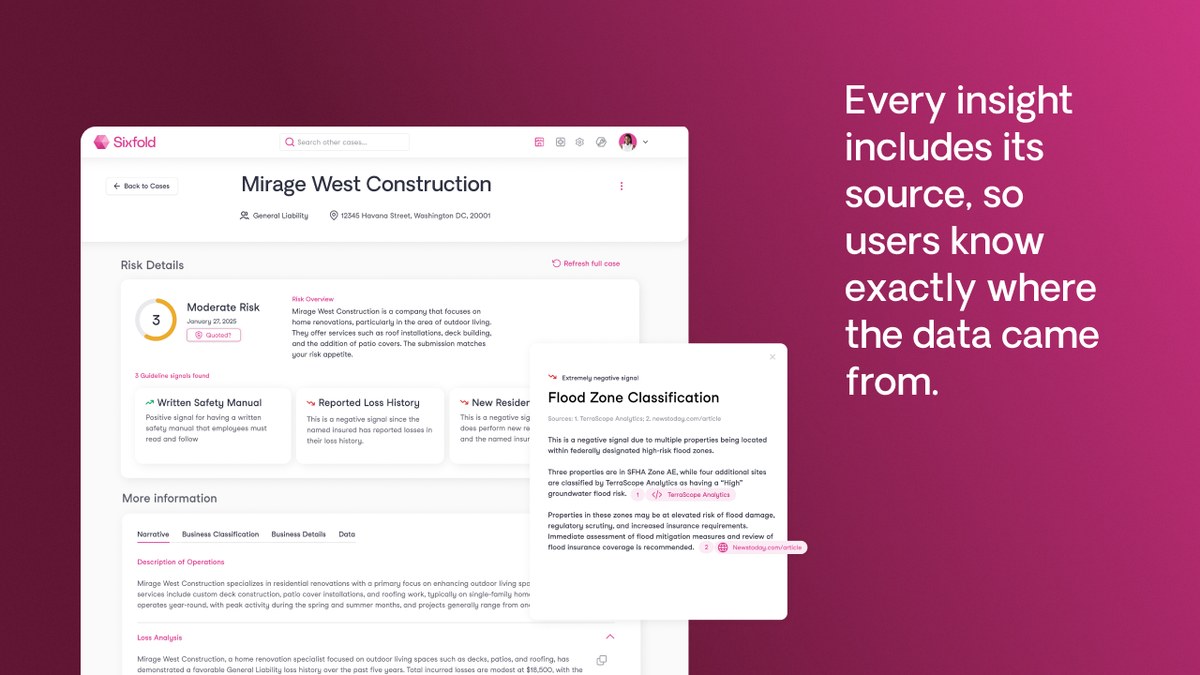
What AI Agents Can Do at an Insurance Agency
AI agents can already draft renewal letters and summarize loss runs. Binding coverage and underwriting judgment still belong to a licensed human.
Win Back a Day a Week at Your Highland Park Agency
Pick wrong and you automate a task that happens twice a month. Pick right and you hand off a full day every week. Here are the three high-volume, low-judgment workflows a Highland Park agency should automate first.
Stop Issuing COIs by Hand in Wilmette
A Wilmette agency can hand the policy file to a model and have the ACORD 25 drafted in seconds. A licensed person still signs off, because that is where the risk lives.
About the author

Written by
Michael Pavlovskyi
Founder, Bace Agency
Michael builds custom Claude and GPT workflows for insurance agencies, law firms, and PE firms on Chicago's North Shore. Speaker at Northwestern and Lake Forest College on practical AI adoption for professional services.
Connect on LinkedInSee it in your firm
Book an audit.
A free 30-minute AI audit. No obligation, no pitch deck.
Book a free AI audit