
Why AI Agents Are Safer Than You Think
Most firm owners picture a chatbot loose in their files. The reality is far more secure, if you build it right.


Lake Forest, Ill. , May 2026. Here is the question on the mind of every family office principal looking at AI: I get that it can help, but I manage estate plans, trust structures, and portfolio data for families worth eight and nine figures. If any of that data leaks, I'm done. Not embarrassed. Done. So convince me this is safe.
Fair question. It's the right question, actually. The answer isn't "trust me." It's "let me show you how we build this so your data never leaves your control."
But before we get to the security architecture, we need to clear up what an AI agent actually is. Most of the fear around data leakage comes from a misunderstanding of the technology. People picture the consumer chatbot they use on their phone and assume that's what we'd install inside their business. It isn't.
What an AI Agent Actually Is
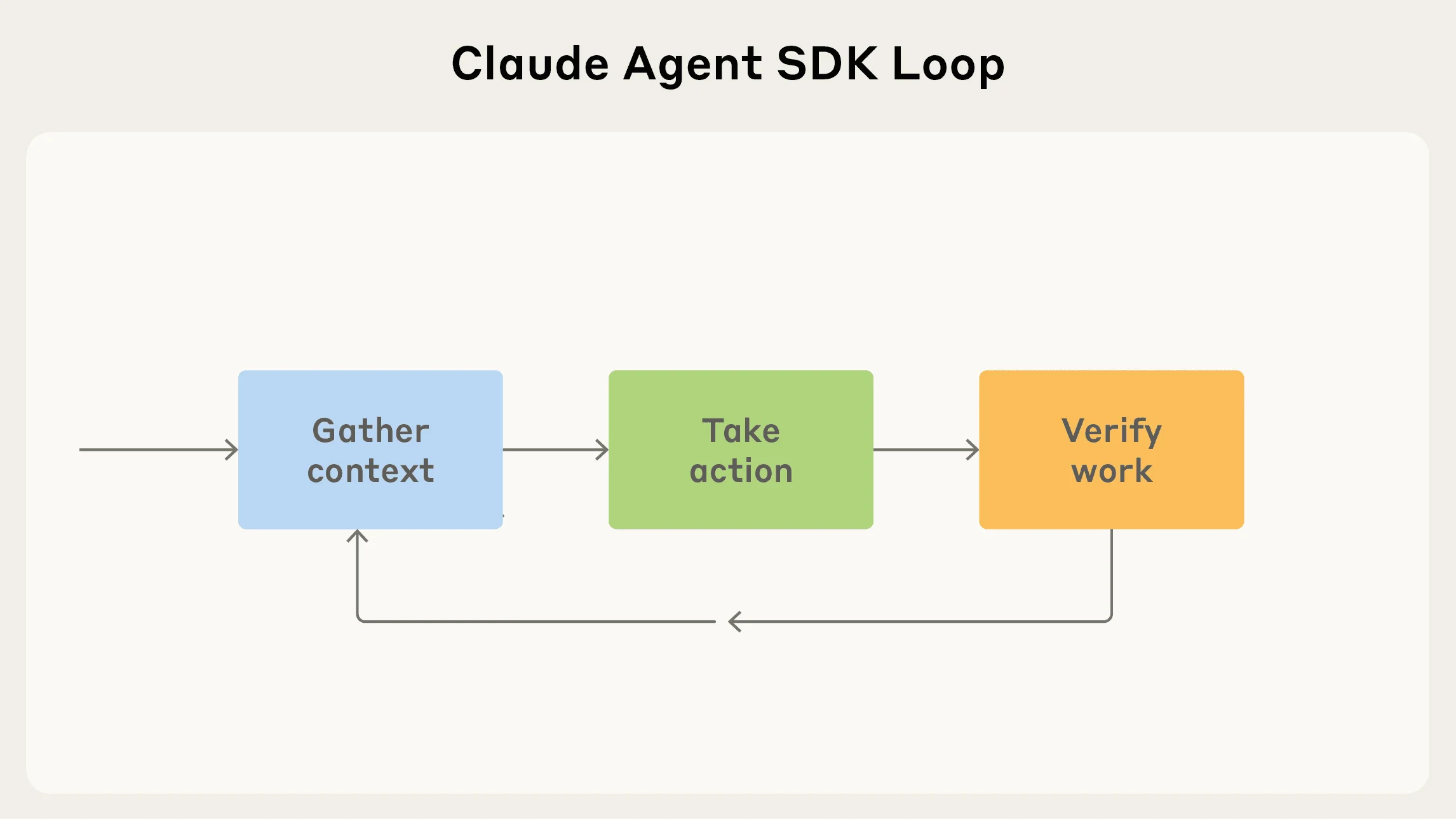
An AI agent is a system that takes a goal, breaks it into steps, and executes those steps, making decisions along the way. That's it. No sentience. No opinions. No agenda. It's an extremely capable assistant that follows instructions, uses tools you give it access to, and reports back.
Think of it this way. A regular AI chatbot is like texting a smart friend. You ask a question, you get an answer. But you have to do everything yourself: copy the answer, paste it into your spreadsheet, send the email, update the CRM.
An AI agent is like hiring a junior analyst who already knows your systems. You say "pull last quarter's performance for the Henderson portfolio, compare it against the benchmark, draft the quarterly letter, and put it in the review folder." The agent does all of it. Not because it's magic. Because you've connected it to the tools it needs (your portfolio system, your document templates, your file storage) and given it clear instructions on how your firm operates.
The difference between a chatbot and an agent is the difference between advice and execution.
What Agents Actually Do

Here's where it gets concrete. The agents worth building for an insurance agency, a law firm, or a family office tend to target the same kind of work. The firm has a handful of workflows that eat massive amounts of time, involve a lot of copying data between systems, and are done the same way every single time. That's where agents live.
Document Processing
Think about the staff hours that disappear into manual data entry: pulling information from PDFs, scans, and emails and typing it into a management system. An agent can read incoming documents, extract the relevant fields, validate them against the existing records, and update the system. The repetitive entry goes away, the error rate drops because the validation is consistent, and those hours go back to client-facing work.
Client Intake and Quoting
Quoting is another natural fit. Requests come in through email, web forms, and phone, in every format imaginable, and a slow turnaround costs deals. An agent can read the request regardless of format, analyze the requirements, match against your pricing logic, and generate a draft quote. A response that used to take a day can land in minutes, which is often the difference between winning the work and losing it to whoever replied first.
Workflow Automation for Lean Teams
A small family office (the kind of firm with three people managing complex trust structures for dozens of families) is exactly where this compounds. Automate a handful of core operational processes and you can hand a lean team back hours every week. For a three-person team, that is close to adding a full-time employee's worth of capacity without adding payroll.
Where Agents Pay Off
Data entry
repetitive document-to-system typing an agent can absorb
Quoting
day-long turnaround compressed to a fast first draft
Lean ops
core processes a small team no longer runs by hand
None of this is about replacing staff. The point is to redirect that time toward work that actually grows the business: meetings with prospects, deeper client relationships, strategic planning instead of data entry.
The Question Every Firm Owner Asks First

Back to the managing director's question. When you type something into a consumer AI product (the free version of any chatbot), your input typically goes to the provider's servers, and in some cases it can be used to improve the model. For personal use, that's fine. For a family office managing $400 million in assets across twelve families, that's unacceptable.
This is where most conversations about AI agents go wrong. People assume the consumer product and the enterprise product are the same thing. They aren't. Not even close.
Myth vs. Reality
Myth
"If I use AI, my client data gets fed into the model and could show up in someone else's response."
Reality
Enterprise AI systems operate on a zero-retention basis. Your data goes in, the response comes back, and nothing is stored or used for training. It's a locked room. The AI processes your request and forgets it ever happened.
Myth
"An AI agent has access to everything on our network."
Reality
An agent only has access to what you explicitly give it. We configure access at the tool level. If the agent needs to read from your portfolio system, it gets read access to that system and nothing else. It can't browse your email, open random files, or reach systems it wasn't authorized for.
Myth
"There's no way to know what the AI is doing with my data behind the scenes."
Reality
Every action an agent takes is logged. Every document it reads, every field it writes, every decision it makes. There's a complete audit trail. You can review exactly what happened, when, and why. If your compliance officer wants to inspect it, they can.
How We Build Secure Agents
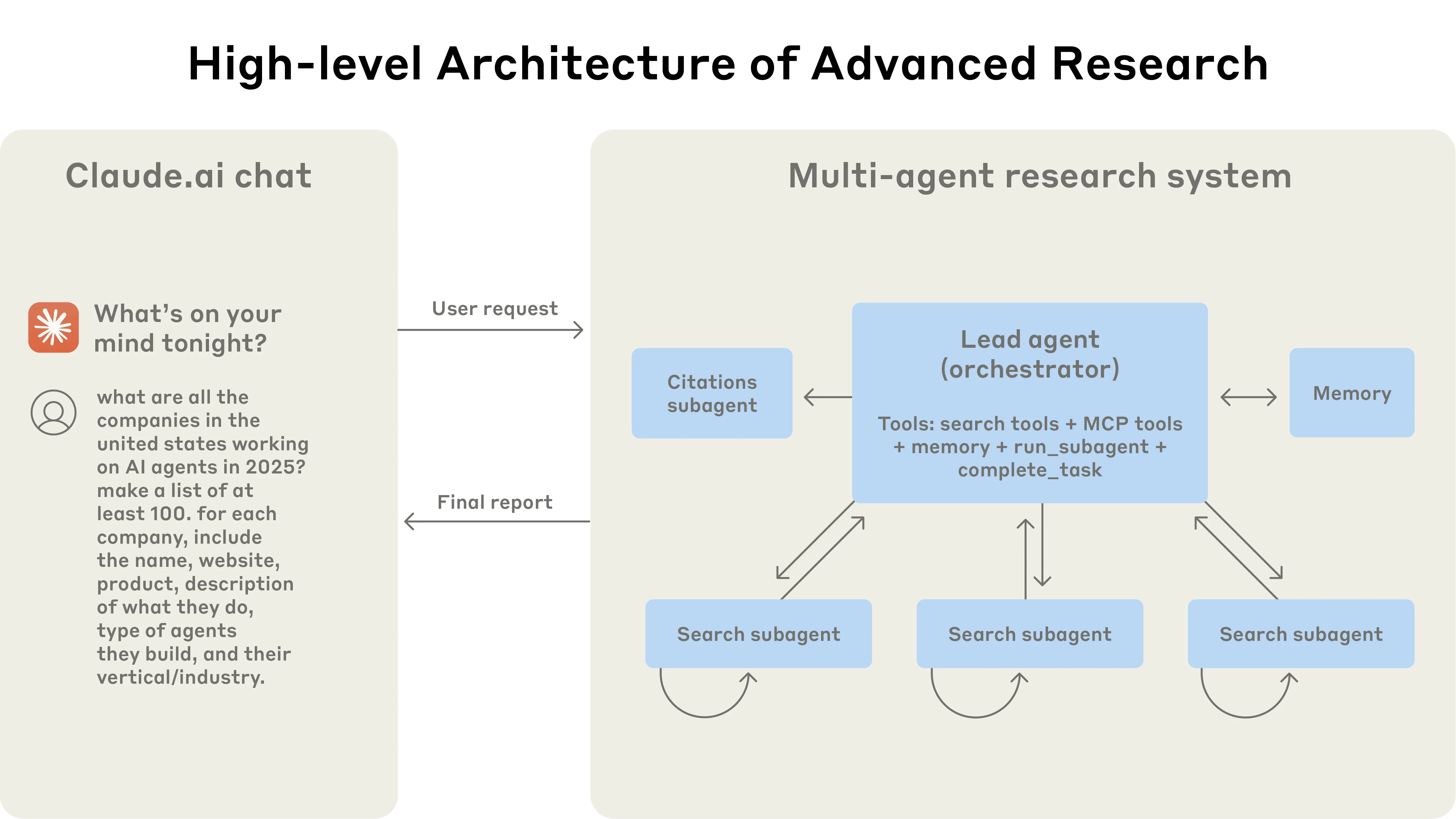
When we build an AI agent for a high-profile client, the architecture is fundamentally different from what happens when you type a question into a consumer chatbot. Here's how it works in plain terms.
Your Data Never Touches the Training Pipeline
We don't use consumer AI products inside client systems. We work directly with the enterprise infrastructure. Think of it as a private channel between your firm and the AI. Your data goes through that channel, gets processed, and the result comes back. The AI provider never stores it, never trains on it, never sees it again. This is contractually guaranteed by the providers we use, and it's the first thing we verify before a single document touches the system.
Inside Your Own Cloud
For clients who need an additional layer of control (and in finance and legal, that's most of them), we can deploy the AI infrastructure inside a private cloud environment. That means the processing happens on servers you control, in a region you choose, under security policies your IT team sets. The data doesn't travel to a third-party data center. It stays in your vault.
We do this through private cloud deployments: dedicated environments that run the same AI models but within your security perimeter. For firms with compliance requirements around data residency (where your data physically lives), this is the standard approach.
Access Is Scoped, Not Open
Every agent we build follows the principle of least privilege. If the agent's job is to process incoming insurance documents, it gets access to the inbox where those documents arrive and the system where they need to be entered. It doesn't get access to your HR files, your financial statements, or your partner's email. Access is scoped to exactly what the workflow requires and nothing more.
Human-in-the-Loop Where It Matters
Not every decision should be automated. When we design an agent, we map out which steps should run automatically and which should pause for human review. Drafting a quarterly letter? The agent creates it, but a partner reviews and approves before it goes to the client. Processing a routine document? That can run automatically because the risk is low and the validation rules catch errors. The level of autonomy is a design decision we make together, based on the sensitivity of each workflow.
Why This Matters Right Now
Here's the thing about AI agents in 2026: the technology is mature enough to be boring. And boring is exactly what professional services firms need. You don't want experimental. You want reliable, secure, and measurably better than the manual process it replaces.
The North Shore firms moving on this aren't early adopters chasing trends. They're managing partners and principals who looked at their operations and realized that if their team is spending 20 or 30 hours a week on work a machine could handle, that's 20 or 30 hours they're losing on the work that actually pays. The math isn't complicated.
What stops most firms from moving forward isn't skepticism about whether AI works. It's a legitimate concern about whether their client data is protected. I wrote this article because the answer to that concern isn't a hand wave. It's an architecture. When you build it right, the data stays where it belongs: inside your firm, under your control, with a complete audit trail.
That's how we build. Every time.
Want to See How This Works for Your Firm?
Book a free 30-minute AI audit. I'll walk through your operations, identify where an agent would have the highest impact, and explain exactly how the security architecture would work for your specific systems. No pitch deck. No obligation.
Book a Free AI AuditIn-person in Lake Forest or video call.
Related Articles
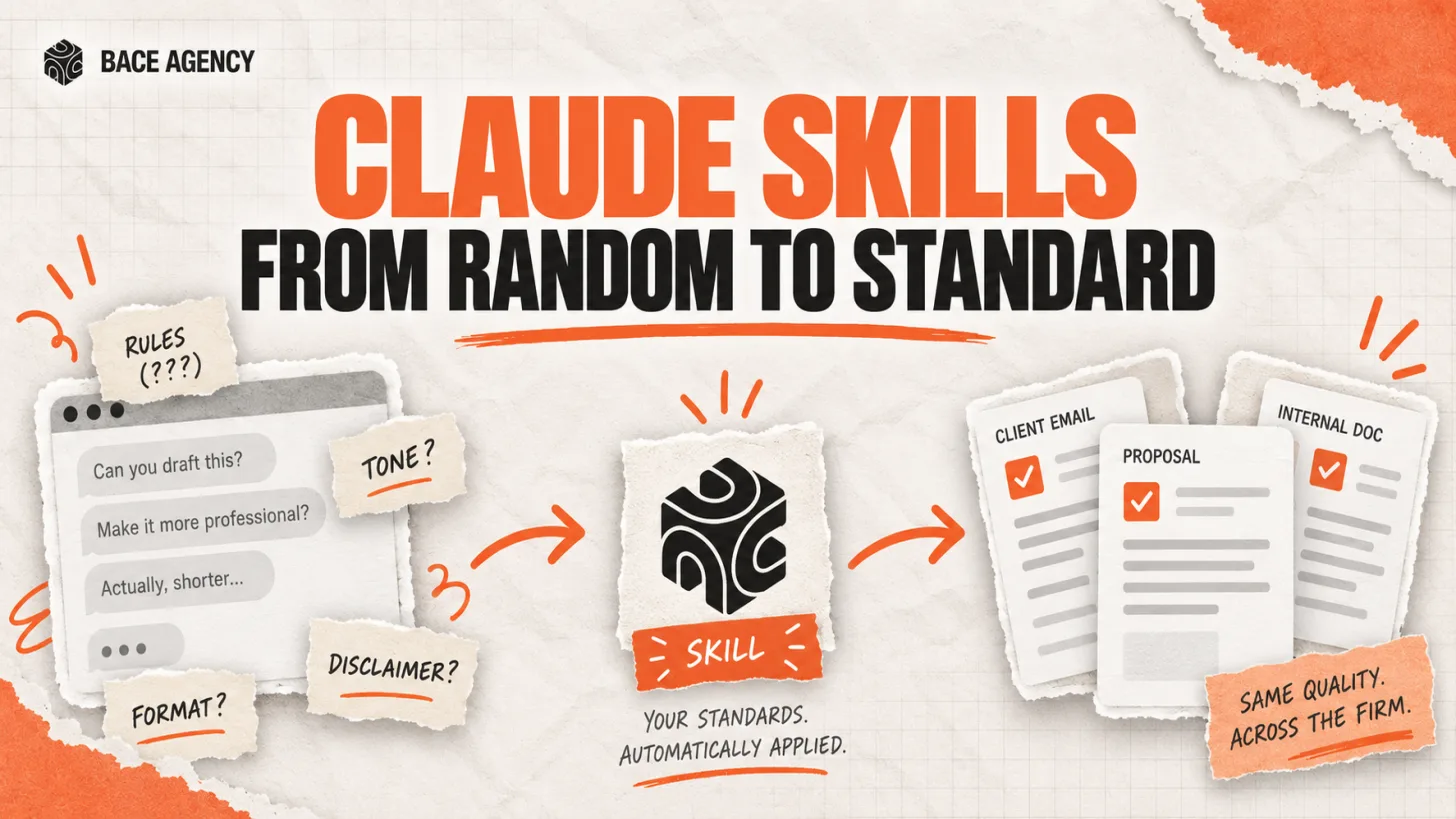
Claude Skills Give a Law Firm One AI Standard
One associate gets sharp drafts, another gets generic filler from the same tool. A Claude Skill turns one person's rules into a standard the whole firm can rely on.
Small North Shore Firms Are Beating Big Ones to AI
While a national firm spends a year debating AI strategy, the small practice down the street already answers clients faster. The gap compounds every week.
Context Windows: Why AI Drifts on Long Documents
AI answers a short question brilliantly, then gets lost in a forty-page contract. The reason is one concept, the context window, and it changes how you should feed it documents.
About the author

Written by
Michael Pavlovskyi
Founder, Bace Agency
Michael builds custom Claude and GPT workflows for insurance agencies, law firms, and PE firms on Chicago's North Shore. Speaker at Northwestern and Lake Forest College on practical AI adoption for professional services.
Connect on LinkedInSee it in your firm
Book an audit.
A free 30-minute AI audit. No obligation, no pitch deck.
Book a free AI audit