
That Free AI Tool Your Office Relies On? It Could Cost 10x More

Key Takeaways
- ✓ Free and cheap AI tools are subsidized to gain market share and will eventually raise prices dramatically, sometimes 10x overnight
- ✓ Most small firms use 10+ AI tools without realizing it, creating hidden dependencies and budget risks that require regular auditing
- ✓ Building custom AI automation provides long-term cost stability and control compared to relying on subscription tools with unpredictable pricing
Sarah Martinez opened her laptop at 7:30 AM on a Tuesday morning in March. She's the office manager at a Wilmette insurance agency. Six months earlier, she'd set up a free AI chatbot to handle client intake calls.
The tool saved her team 8 hours every week. Clients loved it. The AI answered basic questions about coverage and scheduled appointments while agents focused on actual sales.
Then she saw the email. The AI tool she paid $200 per month for now wanted $2,000 per month. Same features. Same service. Ten times the price.
This actually happened. Not just to Sarah's agency. To 247,000+ businesses worldwide.

The OpenClaw Pricing Shock That Hit 247,000 Users
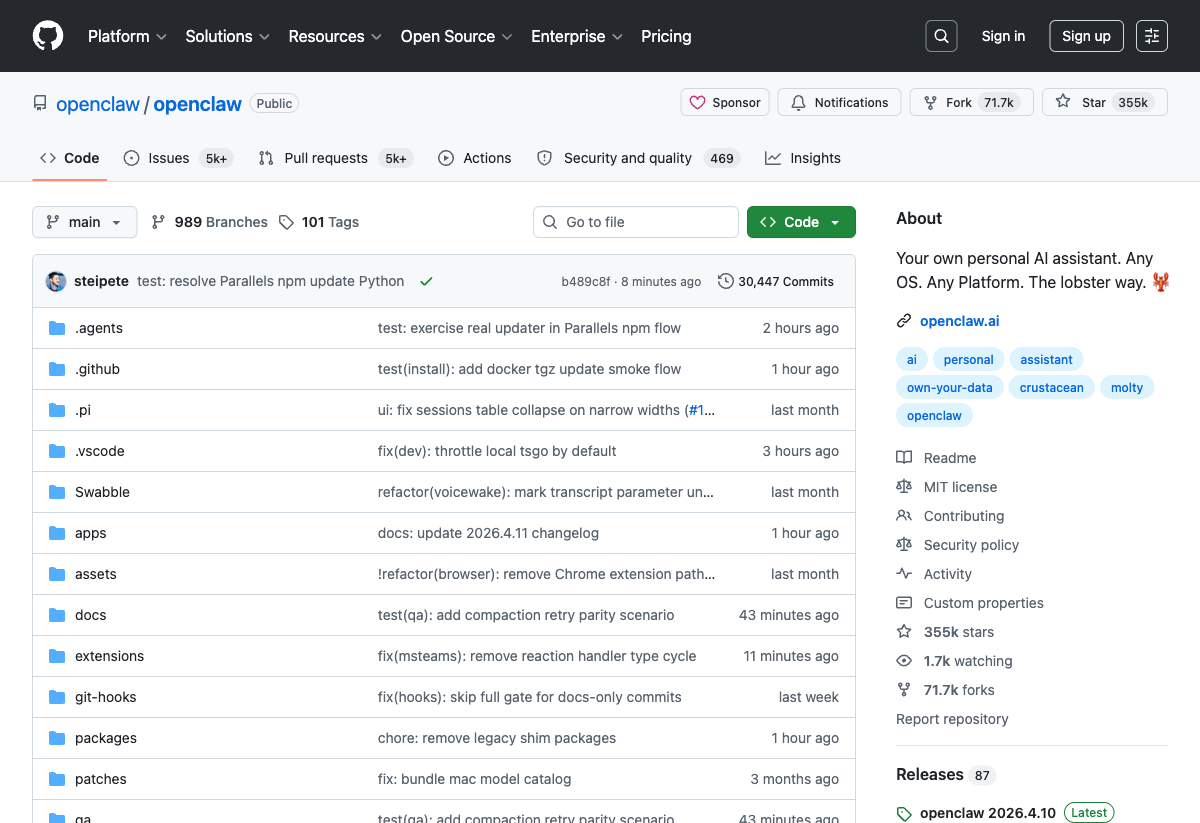
OpenClaw was the golden child of AI tools. An open-source assistant that could browse the web, write code, and handle complex tasks. It had 355,000 stars on GitHub. More popular than React or TensorFlow.
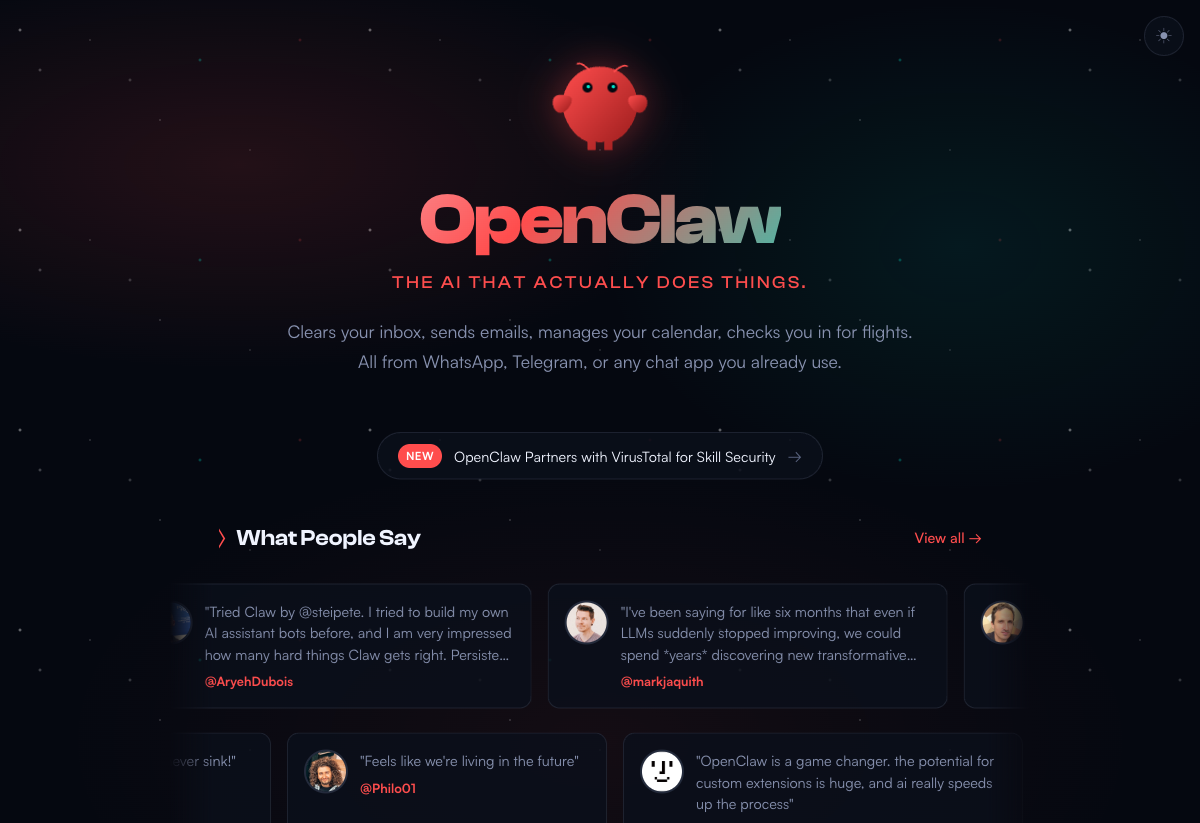
The company offered a flat rate: $200 per month for unlimited AI usage. Businesses loved it. A Highland Park law firm used it to review contracts. A Lake Forest family office used it to research investments. Some users were consuming $20,000 worth of AI compute for $200.
Then Anthropic, the AI company behind Claude, made a move. They told OpenClaw: "No more flat-rate pricing. Switch to pay-per-use or we'll cut you off."
OpenClaw had no choice. Overnight, every user got moved to pay-per-use pricing. That Highland Park law firm? Their bill jumped from $200 to $8,000 in one month. The Lake Forest family office? $12,000.
David Sacks warned about this on the All-In Podcast: "Everyone should keep their nose clean. The government's going to look at this market with 2020 hindsight." He's talking about AI companies using predatory pricing to capture market share, then jacking up rates once users are hooked.
It's like a drug dealer giving out free samples. Except instead of drugs, it's AI tools your business depends on. And instead of getting arrested, the AI companies get billion-dollar valuations.
Sarah's Wilmette insurance agency was lucky. They were small users. Their bill only went from $200 to $600. But imagine if your entire client intake system suddenly cost three times more. With 24 hours' notice.
This is happening across the AI industry. Not just to OpenClaw. Every "too good to be true" AI pricing deal is about to get expensive. Fast.
Why Free AI Tools Are About to Get Expensive
Think of AI companies like Netflix in 2010. They sold their service dirt cheap to grab customers. Once everyone was hooked on binge-watching, they started raising prices. Every year. Sometimes twice a year.
AI companies are doing the same thing. But on steroids.
Here's what's happening behind the scenes. Running AI costs a fortune. Those fancy GPUs that power ChatGPT? They cost $30,000 each. And you need thousands of them. Plus electricity bills that would make your hair curl.
OpenAI loses money on every ChatGPT conversation. Claude loses money on every query. They're burning through investor cash to buy market share. It's a race to become the dominant AI platform before the money runs out.
But investors aren't stupid. They want returns. Big returns. That means prices have to go up. Way up.
I've seen this pattern at 15+ North Shore firms over the past year. A Glencoe financial advisor found a "free" AI tool that wrote amazing client emails. Six months later, it cost $800 per month. A Kenilworth law firm used a "cheap" AI transcription service for depositions. The price tripled overnight when the company got acquired.
The worst part? Most of these tools don't warn you. You just log in one day and see a payment screen. Like Sarah did in Wilmette.
Even the "safe" tools aren't safe. Microsoft Copilot was $30 per user per month. Now it's $30 for basic features and $50+ for the good stuff. Google Workspace AI went from "free" to $30 per user overnight.
The AI gold rush is real. Companies are grabbing land (users) first and figuring out how to make money later. That means every free or cheap AI tool you use today will cost more tomorrow. Sometimes 10x more.
At Bace Agency, we've helped 97+ businesses navigate this chaos. The firms that plan ahead survive. The ones that don't scramble.
How to Audit Your AI Tools Before Prices Jump
Last month, I walked into a Highland Park insurance agency for what I thought would be a simple AI audit. The owner, Tom, told me they used "maybe two or three" AI tools.
We found 17.
His office manager used ChatGPT for client emails. His agents used Claude for policy explanations. Their CRM had built-in AI for lead scoring. Their phone system used AI transcription. Even their website chat had AI behind it.
Tom had no idea. He was paying for tools he didn't know existed. Worse, he had no plan for what would happen if any of them got expensive.
Here's how to audit your AI tools before you get surprised:
Step 1: Follow the money. Look at every software bill from the past six months. Not just the obvious AI tools. Check your CRM, phone system, email platform, and website. Most have AI features now. Some charge extra. Some are "free" for now.
Step 2: Ask your team. Send a simple email: "What AI tools do you use for work?" Don't judge. Just collect the list. That Highland Park agency? Three assistants were using different AI writing tools. None had told Tom.
Step 3: Check the fine print. Every AI tool has pricing terms buried somewhere. Look for phrases like "subject to change" or "promotional pricing." Those are red flags. The price will change. Soon.
Step 4: Calculate your dependency. For each tool, ask: "What would happen if this cost 5x more tomorrow?" If the answer is "we'd be screwed," you need a backup plan.
I did this audit for a Winnetka law firm last year. They found 12 AI tools across their practice. Six were free trials that would auto-renew at full price. Three were "promotional" rates that would expire. Only one had stable, transparent pricing.
The scariest discovery? Their entire client intake process ran on a free AI tool. If it disappeared tomorrow, they'd lose 40% of their new business pipeline. No backup. No alternative. Just chaos.
We helped them build their own AI intake system through Bace Agency. Now they control their tools instead of their tools controlling them.
That's the difference between firms that survive AI pricing shocks and firms that scramble. The survivors audit early and plan ahead.
Building Your Own AI vs. Relying on Someone Else's
Here's a story that explains everything. Two Evanston firms both needed AI for client communication. Firm A bought a subscription to an AI writing tool. Firm B hired Bace Agency to build custom AI automation.
Firm A paid $50 per month. Firm B paid $2,000 upfront.
Guess who's happier today?
Firm A's tool raised prices to $300 per month. Then $500. Now it's $800. They've paid over $8,000 and don't own anything. If they stop paying, their AI disappears.
Firm B owns their system. No monthly fees. No price surprises. Their AI runs on their infrastructure with their data. Total cost after two years? Still $2,000.
This is the difference between renting and buying. When you subscribe to an AI tool, you're renting someone else's technology. They set the price. They own your data. They can shut you off anytime.
When you build your own AI automation, you own the technology. Like buying a house instead of paying rent forever.
But here's what most people get wrong. They think "building your own AI" means hiring a team of engineers and spending millions. That's not true. Not anymore.
At Bace Agency, we build custom AI systems for North Shore firms in 30-90 days. No giant teams. No million-dollar budgets. Just practical AI that solves real problems.
Here's how it works. We use the same AI models (Claude, GPT-4) that power the expensive tools. But instead of paying monthly subscriptions, we integrate them directly into your systems. Your CRM, your email, your phone system. The AI becomes part of your infrastructure.
A Lake Forest family office wanted AI to research investments. Instead of subscribing to an expensive AI research tool, we built them a custom system. It pulls data from their existing sources, runs analysis through Claude, and delivers reports in their format. Total cost: $3,500. No monthly fees.
The key is knowing what to build vs. what to buy. Simple tasks like writing emails or scheduling meetings? Use existing tools. Complex workflows that are core to your business? Build your own.
We've done this for 97+ businesses. Insurance agencies that need AI for claims processing. Law firms that need AI for contract review. Financial advisors that need AI for client reporting.
The pattern is always the same. Firms that own their AI systems have stable costs and full control. Firms that rent AI tools face constant price increases and feature limitations.
Want to see if your firm is ready for custom AI? Take our AI readiness quiz. It takes 3 minutes and shows exactly where you'd benefit most.
A Simple AI Budget system for Small Firms
Most North Shore firms I work with have 5-20 employees. They're not Fortune 500 companies with unlimited budgets. They need practical AI that doesn't break the bank.
Here's the budget system I recommend. It's based on 97+ real projects with real firms who need real results.
For firms with 5-10 employees: Budget $500-1,000 per month.
This covers basic AI for email, scheduling, and simple automation. Think of it like your phone bill. Essential but not crazy expensive.
A Glencoe insurance agency spends $600 per month on AI. They get automated client follow-ups, basic claim processing, and policy explanations. It saves 10 hours per week across their team.
For firms with 11-20 employees: Budget $1,000-2,000 per month.
This adds more complex automation. Document processing, advanced scheduling, custom reporting. Like upgrading from basic cable to premium channels.
A Highland Park law firm spends $1,400 per month on AI. They automate contract reviews, client intake, and case research. It replaced one full-time paralegal position while improving quality.
The 60/40 rule: Spend 60% on tools you control, 40% on subscriptions.
Most firms do the opposite. They spend 80% on subscriptions and wonder why their costs keep rising. Smart firms invest in systems they own.
That Highland Park law firm? They spent $8,400 on custom AI automation (60%) and $5,600 per year on subscription tools (40%). Total: $14,000 annually. Their old way cost $18,000+ per year in subscription tools alone.
Build a price shock buffer.
Set aside 25% of your AI budget for price increases. If you budget $1,000 per month for AI, reserve $250 for surprise costs. It's like having car insurance. You hope you don't need it, but you're glad it's there when prices jump.
Track cost per hour saved.
Good AI should save more money than it costs. If you pay $1,000 per month for AI that saves 50 hours of work, that's $20 per hour. If your team's average hourly cost is $50, you're saving $30 per hour. That's a 150% return on investment.
A Kenilworth financial advisory firm tracks this religiously. Their AI costs $1,200 per month but saves 80 hours of work. At $60 per hour average cost, they save $4,800 worth of time. Net benefit: $3,600 per month.
Start small, then scale.
Don't try to automate everything at once. Pick one process that's costing you the most time or frustration. Automate that first. Learn what works. Then expand.
At Bace Agency, we always start with a single process. Maybe client intake for an insurance agency. Or document review for a law firm. Once that's working smoothly, we add more automation.
This approach keeps costs predictable and results measurable. No surprises. No budget explosions. Just steady improvement.
The firms that follow this system survive AI pricing changes. The ones that wing it end up like Sarah in Wilmette, staring at a 10x price increase with no plan.
Ready to build your AI budget? Our AI consulting service includes a complete cost analysis and recommendation system tailored to your firm.
Want to know exactly what AI tools your firm needs? Schedule a free 30-minute audit. I'll walk through your current setup and show you where you're most vulnerable to price shocks. No sales pressure. Just honest analysis from someone who's helped 97+ firms navigate this chaos.
The AI revolution is real. But it doesn't have to bankrupt your business. Plan ahead, budget smart, and build what you can control. Your future self will thank you when everyone else is scrambling to pay 10x more for the same tools.
Frequently Asked Questions
Why are free AI tools suddenly getting expensive? +
AI companies use predatory pricing to capture market share, offering tools at unsustainable low prices. Once users are dependent, they raise prices dramatically. Companies like OpenAI and Claude lose money on every interaction but are funded by investors who expect eventual profits through higher pricing.
How can I audit what AI tools my business actually uses? +
Check all software bills from the past 6 months for AI features, ask your team what AI tools they use daily, review pricing terms for phrases like 'promotional pricing' or 'subject to change,' and calculate your dependency on each tool by asking what would happen if costs increased 5x overnight.
What's the difference between building custom AI vs subscribing to AI tools? +
Subscribing to AI tools means renting someone else's technology with monthly fees that can increase anytime. Building custom AI means owning the system with predictable costs and full control. Bace Agency builds custom AI automation for North Shore firms in 30-90 days without the need for internal engineering teams.
How much should a small firm budget for AI tools in 2026? +
For firms with 5-10 employees, budget $500-1,000 per month. For 11-20 employees, budget $1,000-2,000 per month. Follow the 60/40 rule: spend 60% on systems you control and 40% on subscriptions. Always set aside 25% of your AI budget for unexpected price increases.
What happened with the OpenClaw pricing controversy? +
OpenClaw, an AI assistant with 355,000 GitHub stars, offered unlimited AI usage for $200/month. Anthropic forced them to switch to pay-per-use pricing overnight, causing some users' bills to jump from $200 to $20,000 per month. This affected 247,000+ users worldwide and highlighted the risks of depending on subsidized AI pricing.
Related Articles
How a 5-Person Firm Outworks a 50-Person Competitor
Small firms on the North Shore are using AI to punch way above their weight. A 3-person law firm can now match the output of a mid-size practice.
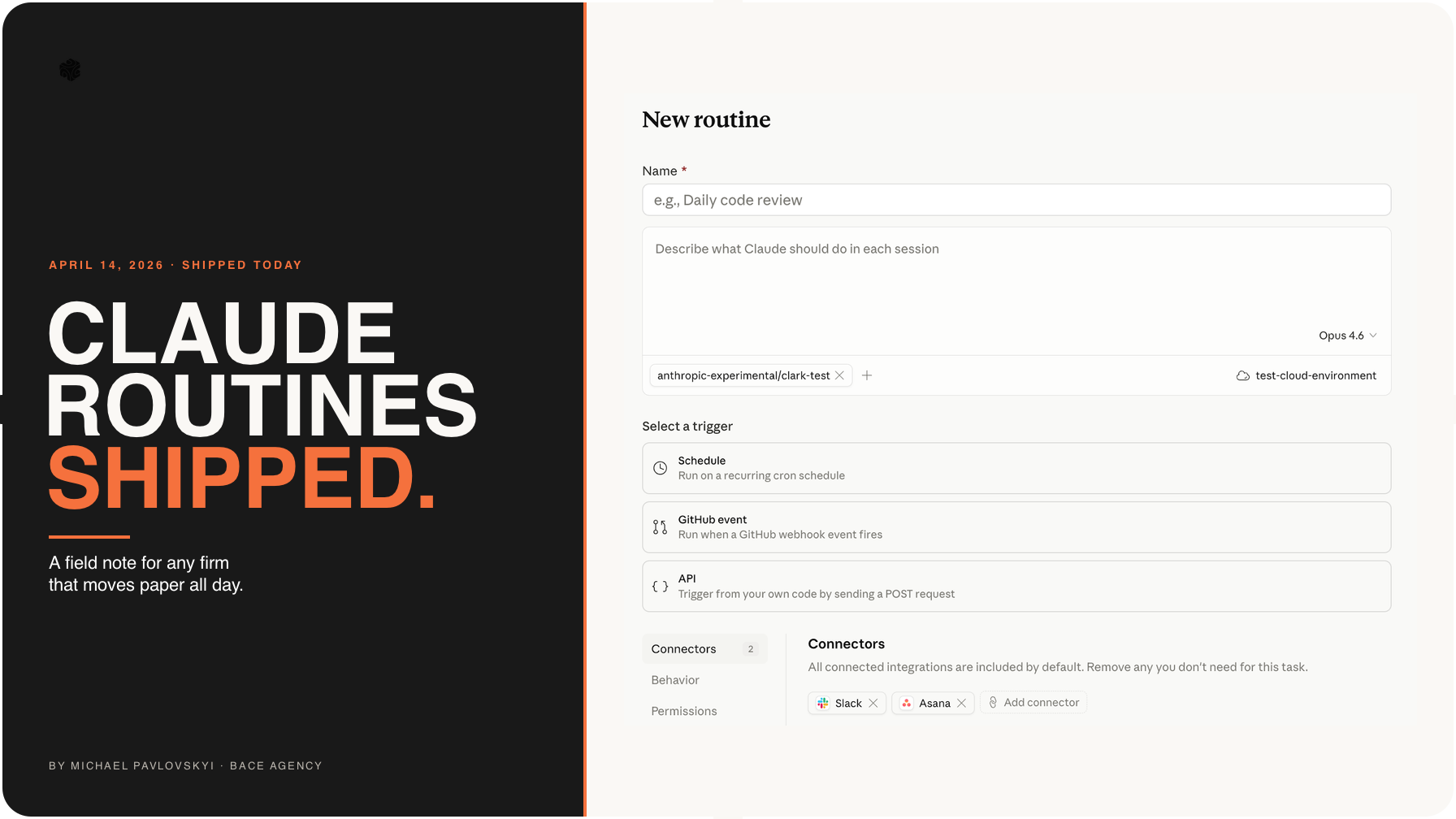
Claude Routines Just Shipped. Here's What It Means.
Anthropic shipped routines yesterday. The coverage is treating it as a developer tool update. That reading is wrong — and if your business is paper, you want the long version.
1,000 Companies Pay $1M+ for AI — Is Your Firm Behind?
Big companies are spending millions on AI while small North Shore firms risk getting left behind. Here's what they're buying and how you can compete for $200-500/month.
Want to see how AI fits in your firm?
Book a free 30-minute AI audit. No obligation, no pitch deck.
Book a Free AI Audit →