
Context Windows: Why AI Drifts on Long Documents
AI nails a short question but loses the thread in a forty-page contract. The reason is one concept, and it changes how you should feed it documents.

Key Takeaways
- ✓ AI answers short questions well but drifts on long documents. As the context window, the amount it holds at once, fills up, the model's attention spreads thin and the details that matter get harder to hold in focus.
- ✓ The context window holds everything in one conversation at once: your question, the loaded documents, the whole prior exchange, and the answer itself.
- ✓ For firms working with trusts, contracts, policies, and reports, dumping the whole mass in at once drops quality exactly where an error costs the most. Break the work so what matters stays in focus.
- ✓ Claude has one of the largest context windows on the market, but volume does not equal reliability: the result depends on how the document workflow is built, not on size alone.
Most people have run into it. AI answers a short question brilliantly, then gets lost in a forty-page contract, and the tool starts to feel dumber. What you have hit is the single most important idea in working with AI: the context window. Understand it, and you separate the firms that get value from AI from the ones that walk away disappointed.
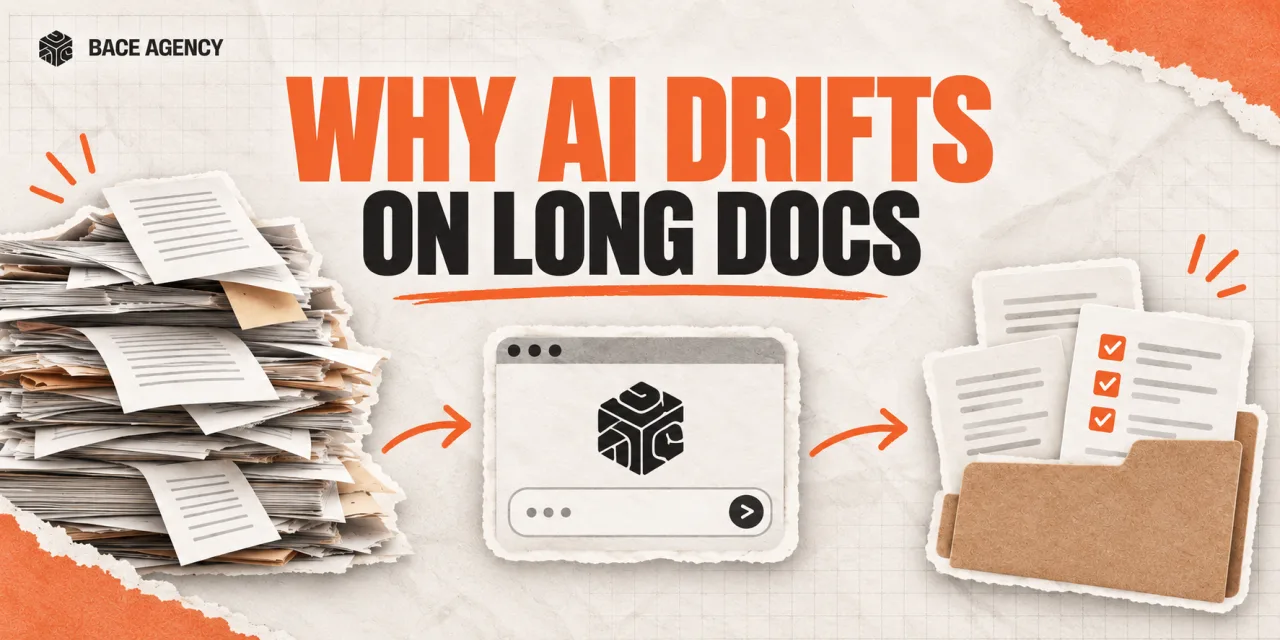
Picture a desk. With a few papers on it, everything stays in view. Pile on a whole folder and nothing falls off, but the desk gets crowded and the one page you need is harder to find. The context window works the same way. In a long conversation the model still has everything you gave it, yet its attention spreads thinner across the pile, so the details you care about get harder to hold in focus.
Why Does AI Get Lost in a Long Document?
AI gets lost because everything competes for the same space. Your question, the loaded documents, the whole prior conversation, and the answer being written all share one context window. Load a forty-page contract and the model has little room left to reason about the clause you actually care about. There is a second effect. As the volume of text grows, accuracy and completeness drop even when everything still fits, an effect Anthropic calls context rot. So what you put in front of the model matters as much as how much it can hold. A few documents on the desk, and the model reads them clearly. A full folder, and the detail that decides the answer is the one most easily missed.
What Is a Context Window?
A context window is the amount of information AI holds in mind at once during a single conversation. It is not long-term memory and it does not carry between separate chats. Everything the model can reference for your answer lives inside it: the question, the loaded files, the running conversation, and the response itself. Anthropic documents this plainly in its guide to context windows.
What This Means for a Lake Forest Firm That Lives on Contracts and Trusts
Take an estate and trust firm in Lake Forest. Someone pastes a sixty-page trust agreement, three amendments, and a stack of correspondence into one chat and asks the tool to "figure it out." That is the worst way to use it. The AI drowns in the volume and misses the result you needed, exactly where an error costs the most: the fine print of a binding document.
A professional setup works differently. The work is split into parts, so the points that matter stay at the center of attention. When the question is about distribution terms, you put the distribution sections in front of the model on their own. You do not let the whole file compete for the same space. Same tool, completely different result. Pulling clean, structured data out of those documents is its own discipline, one we cover in our breakdown of AI document processing.
How Do You Keep AI Accurate on Long Documents?
Break the document into focused pieces
Feed the sections that bear on the question instead of the entire file. A question about indemnification does not need the whole contract in view, it needs the indemnification clauses and the definitions they rely on.
Keep what matters in focus
Put the key clauses and your instructions where the model reads them, and summarize the rest rather than pasting it whole. Curating the desk is the job, not filling it.
Use a large context window, and a real workflow
Claude holds roughly a long book at once, which is why it works confidently where other tools lose the thread. For confidential files, run it on an approved business account where your data is not used for training, and build the steps once into a real document workflow so the whole team gets the same result.
The difference between "loaded a file into a chat" and "built a document-processing system that does not lose details" is exactly what we do with firms across the North Shore every day. We map how contracts, policies, and reports actually move through your firm, then build around what matters instead of on top of it. If you want to see where your paperwork is leaking time, a free 30-minute AI audit, in person on the North Shore or by video, is the quickest way to find out.
Frequently Asked Questions
What is a context window in AI? +
A context window is the amount of information an AI model holds in mind at once during a single conversation. It includes your question, any documents you loaded, the entire prior exchange, and the answer being written. It is working memory for one chat, not long-term memory, and it does not carry over to a separate conversation.
Why does AI make more mistakes on long documents? +
Because a long document fills the context window. The more raw text you load, the less room is left for the model to reason about the part you care about, and accuracy drops as its attention spreads across the pile. Loading a whole file and asking the tool to figure it out is the worst way to use it.
Does a bigger context window fix the problem? +
It helps, and Claude has one of the largest windows available, which is why it handles long contracts and reports better than most tools, but volume does not equal reliability: accuracy still falls as the context window fills up, which means the result depends on how you feed the document and how the workflow is built around it, not on size alone.
How should a firm feed long documents to AI? +
Break the document into the sections that bear on the question, keep the key clauses and instructions in focus, and summarize the rest instead of pasting it whole. Then build those steps into a repeatable workflow so every person on the team gets the same reliable result rather than depending on who happened to paste what.
Related Articles
Claude Projects Fix AI That Fell Flat
Most firms try AI, see no value, and conclude it's an overhyped toy. The problem is almost always one thing: they never gave it context.
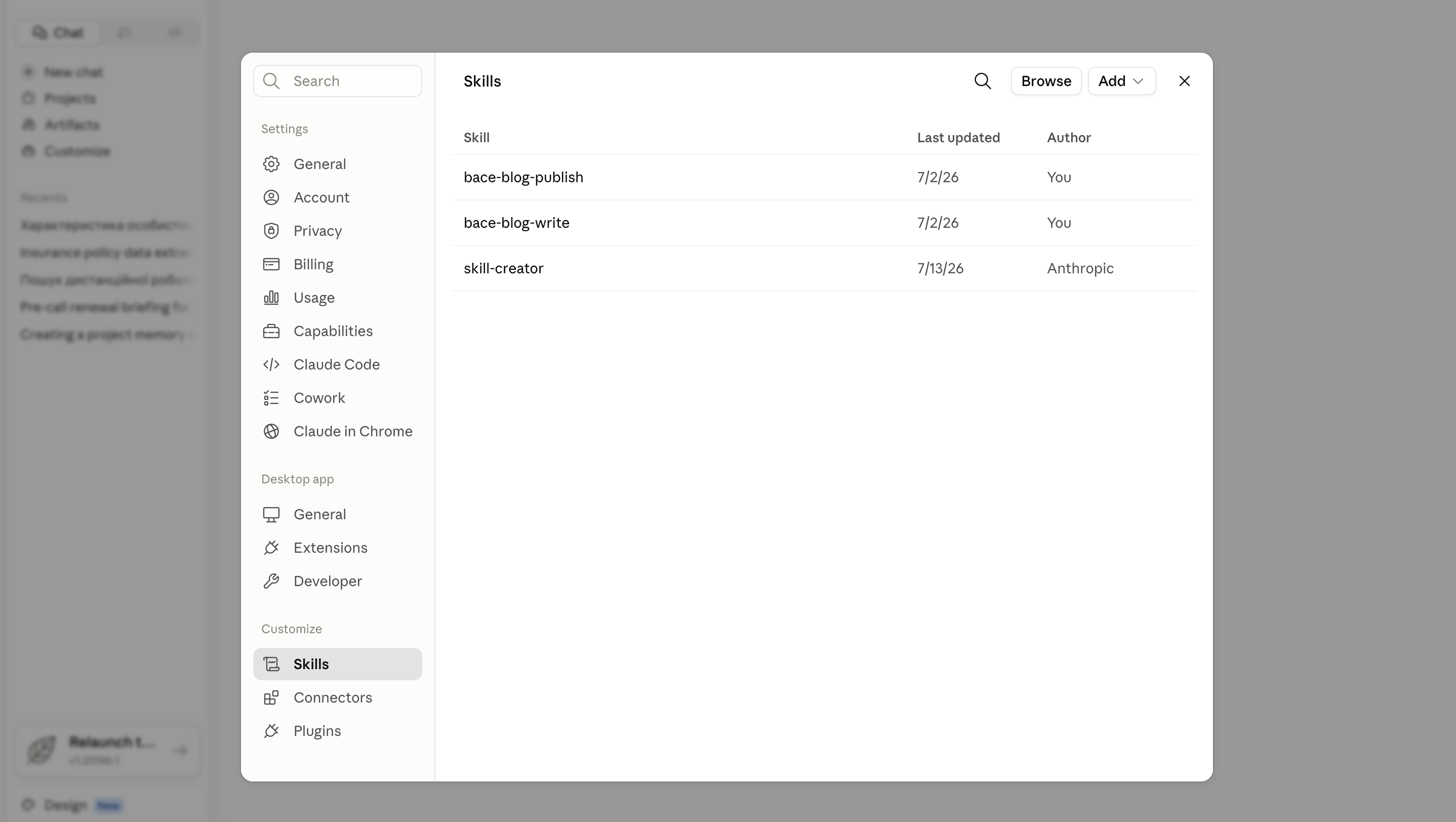
How to Build and Effectively Use Claude Skills for Your Team
Someone writes a sharp prompt, and by Friday nobody remembers the wording. A Claude Skill turns your team's best prompt into a standing instruction Claude follows every time. Here is how to build and share one, no code and no developer.
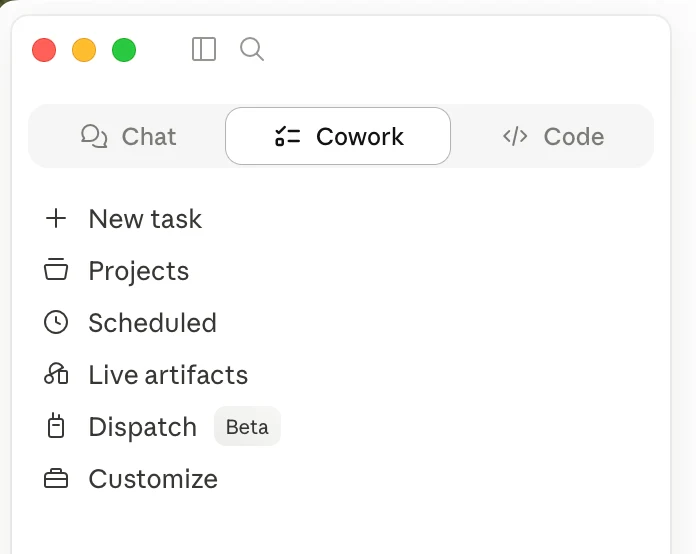
Most of Claude Is Behind a Download
If you only use Claude in a browser tab, you have seen the demo, not the product. The desktop app reads your files, runs multi-step tasks, and works on a schedule. Most firms never install it.
About the author

Written by
Michael Pavlovskyi
Founder, Bace Agency
Michael builds custom Claude and GPT workflows for insurance agencies, law firms, and PE firms on Chicago's North Shore. Speaker at Northwestern and Lake Forest College on practical AI adoption for professional services.
Connect on LinkedInSee it in your firm
Book an audit.
A free 30-minute AI audit. No obligation, no pitch deck.
Book a free AI audit