
AI Tax-Loss Harvesting: Kenilworth RIAs' Alpha Edge
Tax alpha represents the most consistent source of client value, yet most advisory practices leave millions on the table through manual processes and delayed decisions.


Key Takeaways
- ✓ Tax alpha represents the most predictable source of client value available to RIAs, yet most practices capture only 30-40% of available opportunities through manual processes.
- ✓ AI-powered tax-loss harvesting identifies opportunities in real-time rather than quarterly reviews, improving capture rates from 35-45% to 85-95% of available tax alpha.
- ✓ Implementation follows a four-week roadmap: data standardization, system integration, parallel testing, and live monitoring with human oversight maintained throughout the process.
KENILWORTH, Ill. , January 15, 2025. The client call came at 4:47 PM on a Tuesday. A high-net-worth family needed to know whether to harvest losses before year-end, and their advisor was still running the analysis manually on spreadsheets that would take until Thursday.
Tax-loss harvesting represents the most predictable source of alpha available to wealth managers. Unlike market-timing or security selection, tax alpha comes from systematic process execution rather than investment insight. Yet Vanguard research shows that most advisory practices capture only 30-40% of available tax alpha due to timing delays and incomplete analysis.
The problem is not knowledge. Every RIA in Kenilworth understands wash sale rules and loss recognition timing. The problem is execution speed and comprehensive portfolio scanning when markets move faster than manual processes allow.
The Tax Alpha Opportunity
Tax alpha differs from investment alpha in one crucial way: it is entirely within your control. Market performance determines investment returns. Client behavior and advisor process execution determine tax outcomes.

The math is straightforward. A $10 million taxable portfolio in the top marginal bracket generates roughly $120,000 in annual tax alpha through systematic loss harvesting. That assumes a 1.2% annual benefit, which Vanguard documents as achievable for high-turnover equity portfolios.
Most Kenilworth practices capture 30-50% of that opportunity. The difference is timing and completeness. Manual analysis takes 2-3 days. Markets move every minute. By the time you complete the analysis, optimal loss recognition windows have closed.
"The best time to plant a tree was 20 years ago. The second best time is now."
Warren Buffett, on the power of compounding returnsTax alpha compounds like investment returns. A 1% annual tax benefit grows to 22% over 20 years at 7% market returns. Missing tax alpha early in the relationship costs exponentially more than missing it later.
Why Manual Processes Fail
The traditional tax-loss harvesting workflow breaks down at three points: identification speed, wash sale tracking, and opportunity prioritization.
First, identification speed. If your team reviews portfolios monthly or quarterly for loss harvesting opportunities, you miss 70% of optimal timing windows. Losses must be harvested when they appear, not when the calendar says to look.
Second, wash sale compliance. IRS rules disallow loss recognition when substantially identical securities are purchased within 30 days before or after the sale. Tracking this manually across multiple accounts, family members, and related entities creates compliance risk that grows with portfolio complexity.
Third, opportunity prioritization. Not all losses provide equal tax benefit. Short-term losses offset ordinary income at rates up to 37%. Long-term losses offset capital gains at 23.8%. The order of loss recognition determines the total tax benefit, but manual analysis rarely accounts for this prioritization under time pressure.

These failures compound. Late identification leads to rushed analysis. Rushed analysis increases wash sale risk. Wash sale violations eliminate the tax benefit entirely and create compliance exposure.
AI-Powered Harvesting Analysis
Claude and similar AI systems change the tax-loss harvesting equation by automating the three manual failure points: real-time scanning, comprehensive compliance checking, and benefit calculation.
Real-time scanning means monitoring every position in every account for loss opportunities as market prices update. AI systems process portfolio data continuously rather than on human review schedules. When a position drops below cost basis by a meaningful threshold, the system flags it immediately.
Comprehensive compliance checking means tracking wash sale exposure across all related accounts automatically. AI systems maintain complete transaction histories and identify potential violations before they occur. This includes tracking purchases in spouse accounts, related trusts, and retirement plans that could trigger wash sale rules.
Benefit calculation means ranking opportunities by net tax savings rather than gross loss amounts. The system calculates the after-tax benefit of each potential harvest, accounting for replacement security selection, holding period classification, and available offset capacity.
SAMPLE CLAUDE PROMPT
"Analyze the attached portfolio file for tax-loss harvesting opportunities. For each position showing an unrealized loss greater than $5,000, calculate: (1) net tax benefit assuming 37% short-term and 23.8% long-term rates, (2) wash sale exposure across all family accounts in the past 30 days, (3) suitable replacement securities with correlation under 0.95, and (4) optimal timing within the next 30 days. Rank by net after-tax benefit and flag any compliance concerns."
The practical difference is speed and accuracy. Manual analysis that takes 72 hours becomes a 15-minute AI review. Compliance checking that requires cross-referencing multiple systems becomes automated background monitoring. Benefit calculations that rely on rules of thumb become precise optimization.
Four-Week Implementation Roadmap
Successful AI tax-loss harvesting implementation follows a predictable pattern across North Shore practices. Week one involves data preparation. Week two covers system integration. Week three focuses on process testing. Week four launches live monitoring.
Week 1: Data Standardization
Export complete position files from your portfolio management system. Clean the data to ensure consistent security identifiers, accurate cost basis information, and proper account classification. Document all family relationships and trust structures that affect wash sale rules.
By week end, you have standardized portfolio data that AI systems can process reliably.
Week 2: System Integration
Connect your portfolio management system to AI analysis tools through API integration or automated file transfer. Configure Claude prompts specific to your firm's tax-loss harvesting criteria and compliance requirements.
By week end, data flows automatically from portfolio systems to AI analysis without manual intervention.
Week 3: Parallel Testing
Run AI analysis alongside manual processes for your largest taxable accounts. Compare AI recommendations to your team's manual analysis. Fine-tune thresholds and compliance rules based on the comparison results.
By week end, AI analysis matches or exceeds manual analysis accuracy while completing in minutes instead of days.
Week 4: Live Monitoring
Switch to AI-first tax-loss harvesting with daily portfolio scanning and real-time opportunity alerts. Train your team to review and execute AI recommendations rather than conduct original analysis.
By week end, your practice captures tax-loss opportunities within hours of market movements rather than days after quarterly reviews.

The key insight from successful implementations is parallel testing. Do not replace manual processes immediately. Run AI analysis alongside human review until you trust the system's accuracy and understand its recommendations.
Measuring Tax Alpha Results
Tax alpha measurement requires tracking both realized benefits and missed opportunities. Realized benefits are straightforward: total tax savings from loss harvesting divided by average portfolio value. Missed opportunities are harder but more important for process improvement.
Track three metrics monthly: capture rate, timing lag, and compliance accuracy. Capture rate measures the percentage of available loss harvesting opportunities your practice actually executes. Timing lag measures the average delay between opportunity identification and execution. Compliance accuracy measures wash sale violations per hundred transactions.
| Metric | Manual Process | AI-Powered Process |
|---|---|---|
| Opportunity identification time | 2-3 days | Real-time |
| Capture rate | 35-45% | 85-95% |
| Wash sale violations | 2-3 per quarter | 0-1 per year |
| Analysis cost per account | $450 | $50 |
The best performing practices in our Kenilworth advisory analysis achieve 85-95% capture rates through AI automation compared to 35-45% capture rates through manual processes. The difference compounds over time as missed opportunities represent permanently lost tax alpha.
"In investing, what is comfortable is rarely profitable."
Peter Lynch, on the importance of systematic processes over emotional decisionsRemember that tax alpha measurement should include opportunity cost. Every loss harvesting opportunity missed in January cannot be recovered in December. The cumulative effect of systematic AI analysis versus periodic manual review shows up in total client wealth over multi-year periods.
For Kenilworth RIAs ready to capture consistent tax alpha through systematic AI analysis, a free 30-minute AI audit is available to review your current tax-loss harvesting process and identify specific automation opportunities. The output is a detailed implementation plan your team can execute within a quarter.
Frequently Asked Questions
How does AI tax-loss harvesting comply with IRS wash sale rules? +
AI systems track all transactions across related accounts and flag potential wash sale violations before they occur. The system maintains complete transaction histories for 30 days before and after each sale, checking purchases in spouse accounts, trusts, and retirement plans that could trigger wash sale disqualification under IRS regulations.
What portfolio management systems integrate with AI tax-loss harvesting tools? +
Most major portfolio management systems including Orion, Tamarac, Schwab Portfolio Center, and Black Diamond support API integration or automated file export for AI analysis. The integration typically requires one-time setup to standardize data formats and automate daily portfolio updates.
How much tax alpha can Kenilworth RIAs expect from AI-powered harvesting? +
Systematic AI tax-loss harvesting typically captures 0.8-1.2% annual tax alpha for high-net-worth taxable portfolios, compared to 0.3-0.5% from manual quarterly reviews. The exact benefit depends on portfolio turnover, tax bracket, and market volatility during the measurement period.
Does AI tax-loss harvesting work for smaller client accounts? +
AI analysis scales efficiently to smaller accounts since the marginal cost per account is minimal once systems are configured. However, accounts under $500,000 may not generate enough annual losses to justify dedicated tax-loss harvesting focus compared to other value-added services.
What happens if the AI system makes an error in wash sale compliance? +
Properly implemented AI systems include human review checkpoints for all recommended transactions before execution. The AI identifies opportunities and flags compliance issues, but licensed advisors make final decisions and bear responsibility for regulatory compliance, maintaining the same oversight as manual processes.
Related Articles

RoundTable Buys a Skincare Brand, and Healthcare Private Equity Meets AI
A Lake Forest firm just bought a skincare brand. The deal is a window into where healthcare private equity is heading with AI, and why it is a strategy problem first.

Lake Forest Hire: Can the Back Office Scale with AI?
Crescent Grove named a 25-year family-office veteran its growth chief. A rainmaker brings relationships. The harder question is whether the back office can scale as fast as the book.
When a CRM Is Truly AI-Ready for RIAs
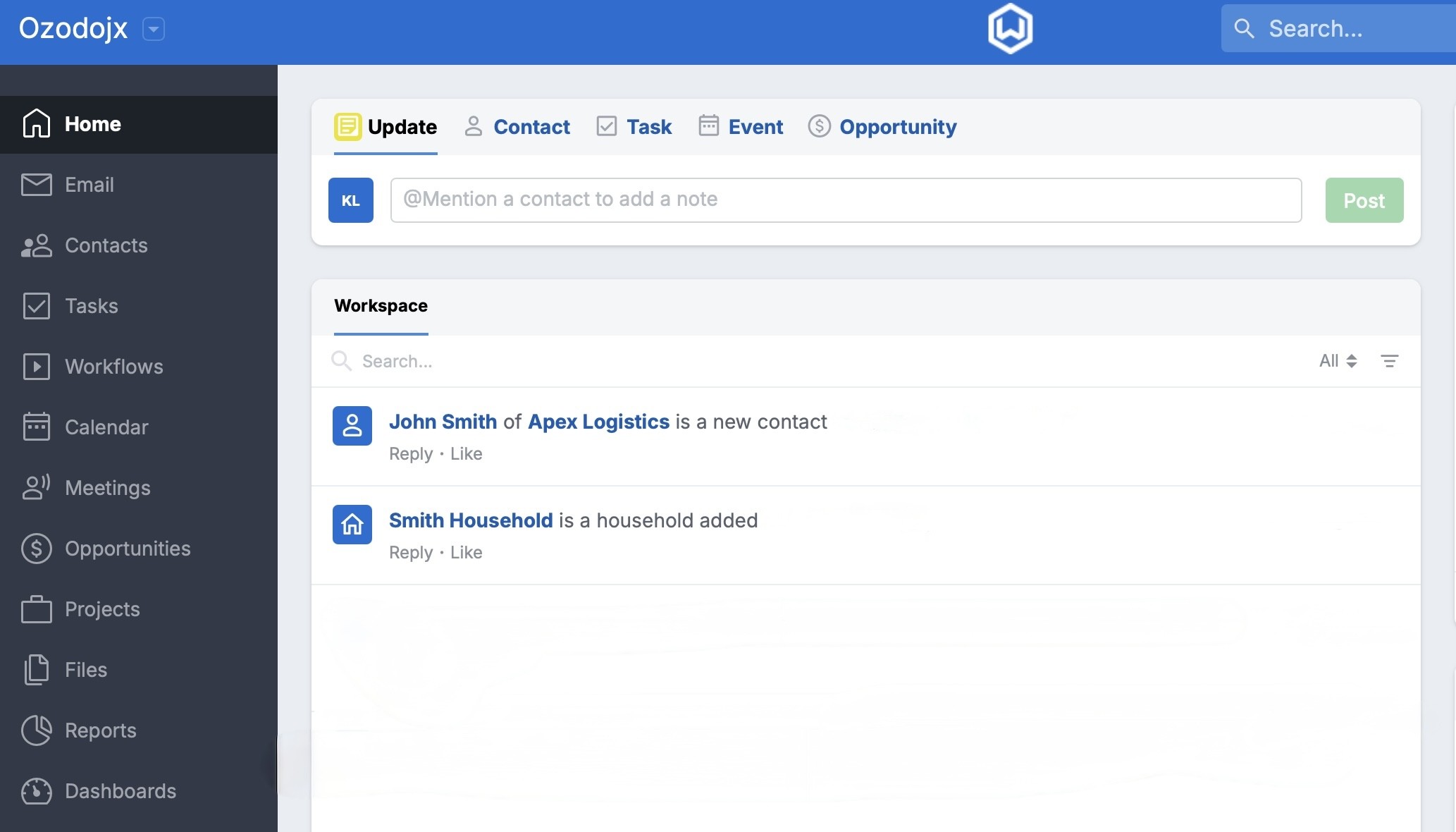
Every CRM demo now says AI. The question that matters is simpler: can a model read your client data and write back to it, under your control? Here are the three tests.
About the author

Written by
Michael Pavlovskyi
Founder, Bace Agency
Michael builds custom Claude and GPT workflows for insurance agencies, law firms, and PE firms on Chicago's North Shore. Speaker at Northwestern and Lake Forest College on practical AI adoption for professional services.
Connect on LinkedInSee it in your firm
Book an audit.
A free 30-minute AI audit. No obligation, no pitch deck.
Book a free AI audit