
Lake Forest Hire: Can the Back Office Scale with AI?
Crescent Grove Advisors bet on relationships when it named Adam Lieb its growth chief. The harder question is whether operations scale with the book.

Key Takeaways
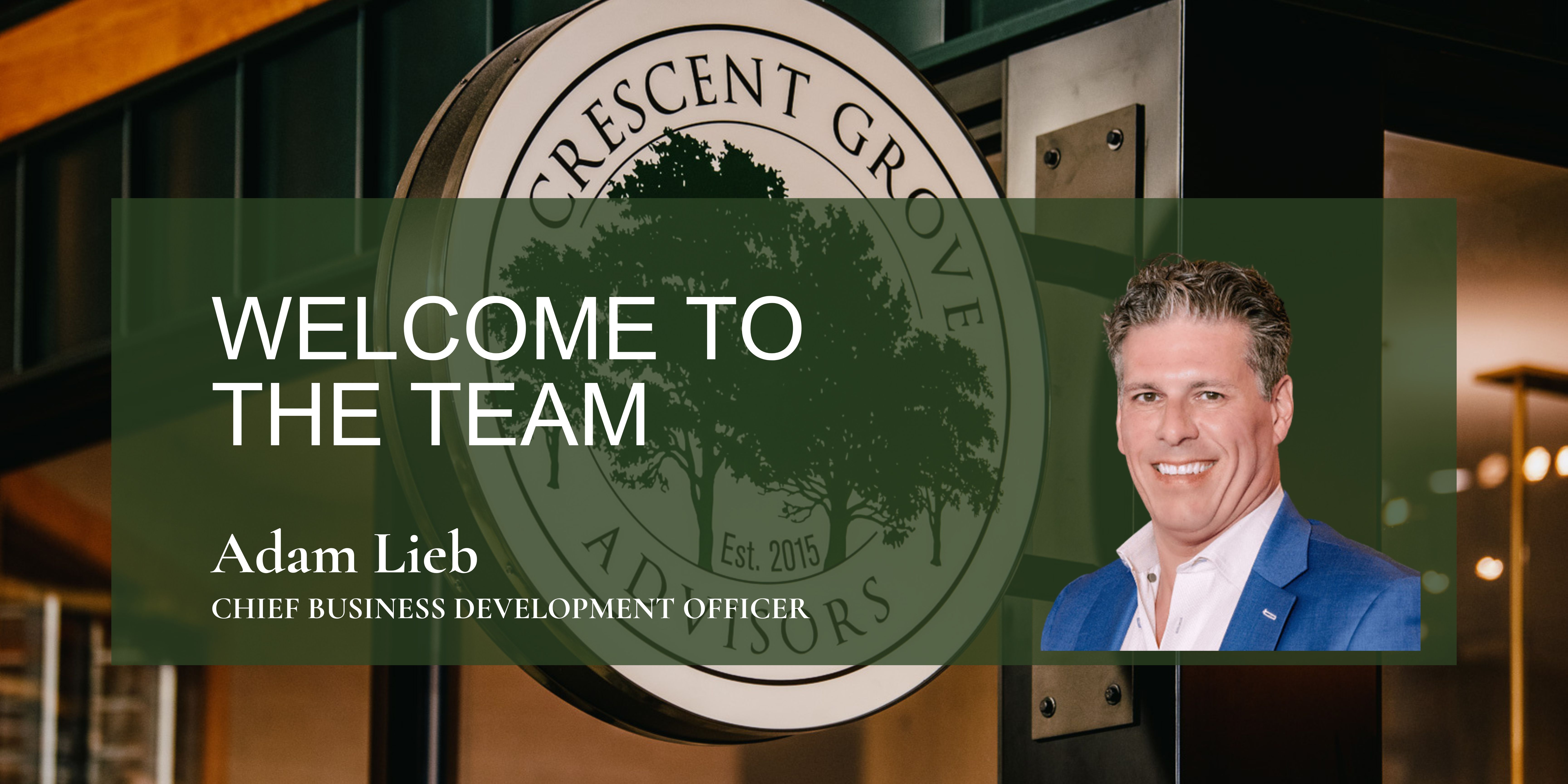
- ✓ Crescent Grove Advisors, an employee-owned Lake Forest wealth and family-office firm with more than $5 billion in assets, named 25-year industry veteran Adam Lieb its Chief Business Development Officer in April 2025.
- ✓ Lieb previously led Global Family Office client strategy at BNY Wealth and spent more than 13 years at Fidelity Family Office Services, so the hire is a bet on relationships and pipeline, not headcount.
- ✓ EY found that 95 percent of wealth and asset managers have scaled generative AI to multiple use cases, and 78 percent are exploring agentic AI, which means growth now depends on operations keeping pace.
- ✓ For a growing wealth management firm, AI workflow automation handles the onboarding paperwork, data entry, and reporting prep behind every new relationship so advisors keep selling instead of stalling on back-office load.
When a wealth firm hires a 25-year rainmaker to chase ultra-high-net-worth families, the relationships are the easy part to picture. The harder part shows up later, in the back office. In April 2025, Crescent Grove Advisors named Adam Lieb its Chief Business Development Officer. Lieb led Global Family Office client strategy at BNY Wealth and spent more than 13 years at Fidelity Family Office Services, per the firm's announcement. He was hired to bring in relationships. Every relationship he brings in also brings paperwork.
That is the real test of Lake Forest wealth management AI workflows. A rainmaker brings the book. Each new household arrives with onboarding documents, accounts spread across several custodians, and a standing demand for clean reporting. The question is not whether the book grows. It is whether operations can grow with it, and that is where AI workflow automation earns its keep.
A Relationship Hire, Not a Headcount Hire
Crescent Grove hired a senior rainmaker, not a back-office body. The firm is an employee-owned wealth and family-office boutique founded in 2015 by four former Goldman Sachs Ayco executives, with offices in Lake Forest, Milwaukee, and Atlanta, and more than $5 billion in client assets, according to the firm's own materials. Naming Lieb as Chief Business Development Officer puts a 25-year family-office veteran in charge of organic growth and new-client acquisition.
Founder Gregg George was direct about why. He said Lieb's network in the family-office and ultra-high-net-worth world would help the firm accelerate growth. Read it as a deliberate, confident move by a firm that knows what it is. The part worth sitting with is what happens after the new relationships start landing.
"His wide network of contacts in the family office and ultra-high-net-worth sectors ... will help us accelerate our growth."
Gregg George, founder, Crescent Grove AdvisorsWhy Does a Wealth Firm's Growth Depend on Its Back Office?
Because a new relationship is not just revenue. It is work. Each ultra-high-net-worth household or family-office client arrives with onboarding paperwork, accounts spread across several custodians, and a standing demand for clean quarterly reporting. Third-party advisor directories put Crescent Grove near 390 client relationships with an average client size around $14 million on a team of close to 40 people, per directory disclosures. At that ratio, every new household adds real operational drag.
The vertical is already moving. EY's 2025 survey of wealth and asset managers found that 95 percent have scaled generative AI to multiple use cases and 78 percent are exploring agentic AI, per its GenAI in Wealth and Asset Management survey. The more telling number is where that adoption actually lands.
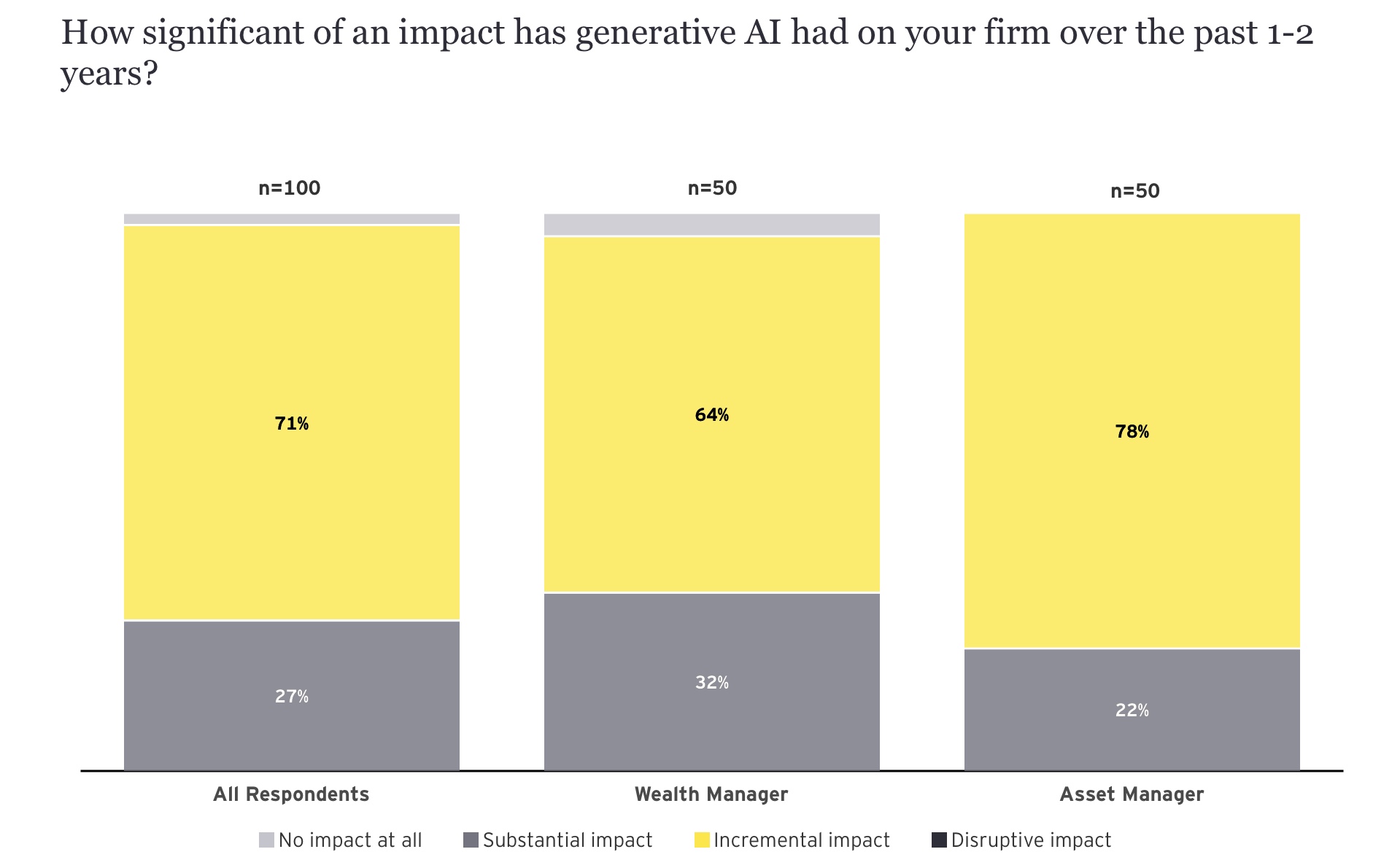
Among wealth managers, EY found that 64 percent report an incremental impact from generative AI and 32 percent report a substantial business impact. Read that the right way. Operational scaling does not arrive in one move. It comes from understanding where the work actually sits in the data, then embedding intelligent, automated workflows directly into the middle- and back-office software so the system handles manual data triage instead of a person doing it by hand. EY also found that 68 percent of firms expect substantial workforce transformation over the next five years, concentrated in exactly those middle- and back-office roles. That is the same point we make about why Highland Park family offices run AI in house: the operational work is where the payoff sits, not the headlines. The plain risk is that a great hire can outrun the operations behind it.
Crescent Grove has put that growth on display in another way. The firm relocated its principal office to a new space on Saunders Road in Lake Forest in September 2025, per its SEC brochure, the kind of visible move that signals momentum to clients and recruits. A new address, though, does not reconcile a single statement. For a wealth management firm, the structural scaling that keeps advisors in front of clients, rather than buried in manual back-office tasks, has to happen inside the software workflows, not just the square footage.
| The work behind a new client | Manual today | With AI workflow automation, human-reviewed |
|---|---|---|
| New-client onboarding | Hours assembling the packet by hand | A draft packet generated, an advisor verifies |
| Quarterly reporting | Statements reconciled custodian by custodian | A first-draft report, an analyst signs off |
| Referral prep | Each brief built from scratch | A one-page brief drafted, the lead edits |
| Data entry and CRM | Keyed in twice across systems | Pulled once, a person confirms |
Three Ways a Lake Forest Wealth Firm Could Put AI to Work
Hypothetical workflows a firm could run, each with a prompt you can paste into Claude today.
Use Case 1: Assemble a New-Client Onboarding Packet in Minutes
Turn an intake call and a few statements into a structured packet a person reviews.
A growing wealth firm could turn an intake call and a handful of source documents into a structured onboarding packet, with a human reviewing before anything is sent. The point is not to skip the advisor. It is to hand the advisor a draft instead of a blank page, and to catch the missing documents before they become a week of email.
SAMPLE CLAUDE PROMPT
"You are an onboarding assistant for a wealth management firm. Using the attached intake notes and the client's three account statements, draft an onboarding summary that lists each account, custodian, approximate balance, beneficiaries named, and any missing documents we still need to request. Flag anything that looks inconsistent for a human advisor to confirm. Output as a checklist plus a short cover note to the client requesting the missing items."
Use Case 2: Turn Multi-Custodian Statements Into a Reporting Draft
Compress hours of quarterly reconciliation into a first draft an analyst checks.
An operations lead might compress hours of quarterly statement reconciliation into a first-draft report that a person checks and signs off. The system does the matching and the arithmetic. The analyst does the judgment, especially on the figures the system could not reconcile, which is exactly the list it should be made to surface.
SAMPLE CLAUDE PROMPT
"I will paste position and balance data from four custodians for one household. Reconcile them into a single quarterly summary: total assets by account, asset-class allocation, quarter-over-quarter change, and any positions that appear in one custodian feed but not the prior quarter. List every assumption you made and every figure you could not reconcile so an analyst can verify before this goes to the client."
Use Case 3: Build a Referral Research Brief for the Growth Pipeline
Give the new growth chief a one-page brief before each first meeting.
A business-development team could give a new relationship lead a one-page brief on each warm referral before the first meeting. This is the use case that ties straight back to Lieb's mandate. A growth chief living on referrals does not want to walk in cold, and a tight, fact-checked brief is the difference between a good first meeting and a generic one.
SAMPLE CLAUDE PROMPT
"Create a one-page prep brief on a prospective ultra-high-net-worth family I am meeting. Using the public information I paste below (bio, company role, recent news, philanthropic interests), summarize who they are, likely planning needs for a family with this profile, three thoughtful questions to open the meeting, and any sensitivities to avoid. Keep it to facts I can confirm and label anything that is an inference."
What Should a North Shore Wealth Firm Do First?
Start with one workflow, not a platform. Pick the most repeatable, highest-friction task you have, usually onboarding or quarterly reporting, map exactly how it runs today, then automate the mechanical parts and keep a person on the review. That is the whole of an AI Workflow Automation engagement: find the workflow that eats the most hours for the least judgment, build the system around it, and leave the advisor in control. It is the work we do at Bace Agency, and you can see the shape of it in our North Shore family-office case study.
Bace is based in Lake Forest and works with firms across the North Shore. Our founder, Michael Pavlovskyi, has delivered 97+ software and automation projects with 95 percent client retention. The reason to start small is not caution for its own sake. It is that a growing firm feels operational drag exactly when a rainmaker hire lands new relationships, which is the worst time to be reorganizing the back office under pressure.
Frequently Asked Questions
Who is Adam Lieb and what is his new role at Crescent Grove Advisors? +
Adam Lieb was named Chief Business Development Officer at Crescent Grove Advisors in April 2025. He is a 25-year industry veteran who previously served as a Global Family Office client strategist at BNY Wealth and spent more than 13 years at Fidelity Family Office Services. His role leads the firm's organic growth and new-client acquisition.
How much does Crescent Grove Advisors manage and where is it based? +
Crescent Grove Advisors is an employee-owned wealth and family-office boutique founded in 2015 with more than $5 billion in client assets. It is headquartered in Lake Forest, Illinois, with additional offices in Milwaukee and Atlanta.
How are wealth managers and family offices actually using AI in 2025? +
Mostly in the back office and client service, not stock picking. EY found that 95 percent of wealth and asset managers have scaled generative AI to multiple use cases and 78 percent are exploring agentic AI. The RBC and Campden Wealth report found three times as many family offices using AI to improve operations in 2025 versus 2024, with 69 percent now running automated investment reporting.
What is AI workflow automation for a wealth firm, and is client data safe? +
AI workflow automation means automating repeatable operational steps such as document intake, cross-custodian reconciliation, reporting prep, and CRM updates, with a person reviewing the output. Workflows can be built so client data stays inside the firm's controlled environment with human sign-off before anything reaches a client, so confidentiality is a design choice, not an afterthought.
Should a small wealth or family-office team start with AI now or wait? +
Start small. Pick one high-friction, repeatable workflow such as onboarding or quarterly reporting, map it, automate the mechanical parts, and keep a person on the review. A growing firm feels operational drag exactly when a rainmaker hire lands new relationships, so the time to build the back office is before the pressure, not during it.
What This Does Not Replace
AI workflow automation does not replace the advisor or the relationship that made the hire worth making. It does not set the financial plan, pick the managers, or sit across the table from a family deciding what to do with its money. What it does is take the paperwork, the reconciliation, and the reporting prep around those decisions and do them faster, so the people who do the advising spend their hours advising. Client data stays inside the firm's controlled environment, and a person signs off before anything reaches a client. A firm that treats automation as a way to protect advisor time, not replace advisor judgment, is the one that grows without breaking.
The hire is the bet most firms can see. The operations behind it are the part that decides whether the bet pays. Watch how fast Crescent Grove's book grows now that Lieb is in the seat, and watch whether the back office keeps pace quietly. If you run a North Shore wealth or family-office firm and you can feel operations starting to strain, the first step is small: map one workflow and rank it by hours saved. We can do that in a free 30-minute AI audit, in person on the North Shore or by video, whether or not you work with us afterward.
Related Articles
RoundTable Buys a Skincare Brand, and Healthcare Private Equity Meets AI
A Lake Forest firm just bought a skincare brand. The deal is a window into where healthcare private equity is heading with AI, and why it is a strategy problem first.
When a CRM Is Truly AI-Ready for RIAs
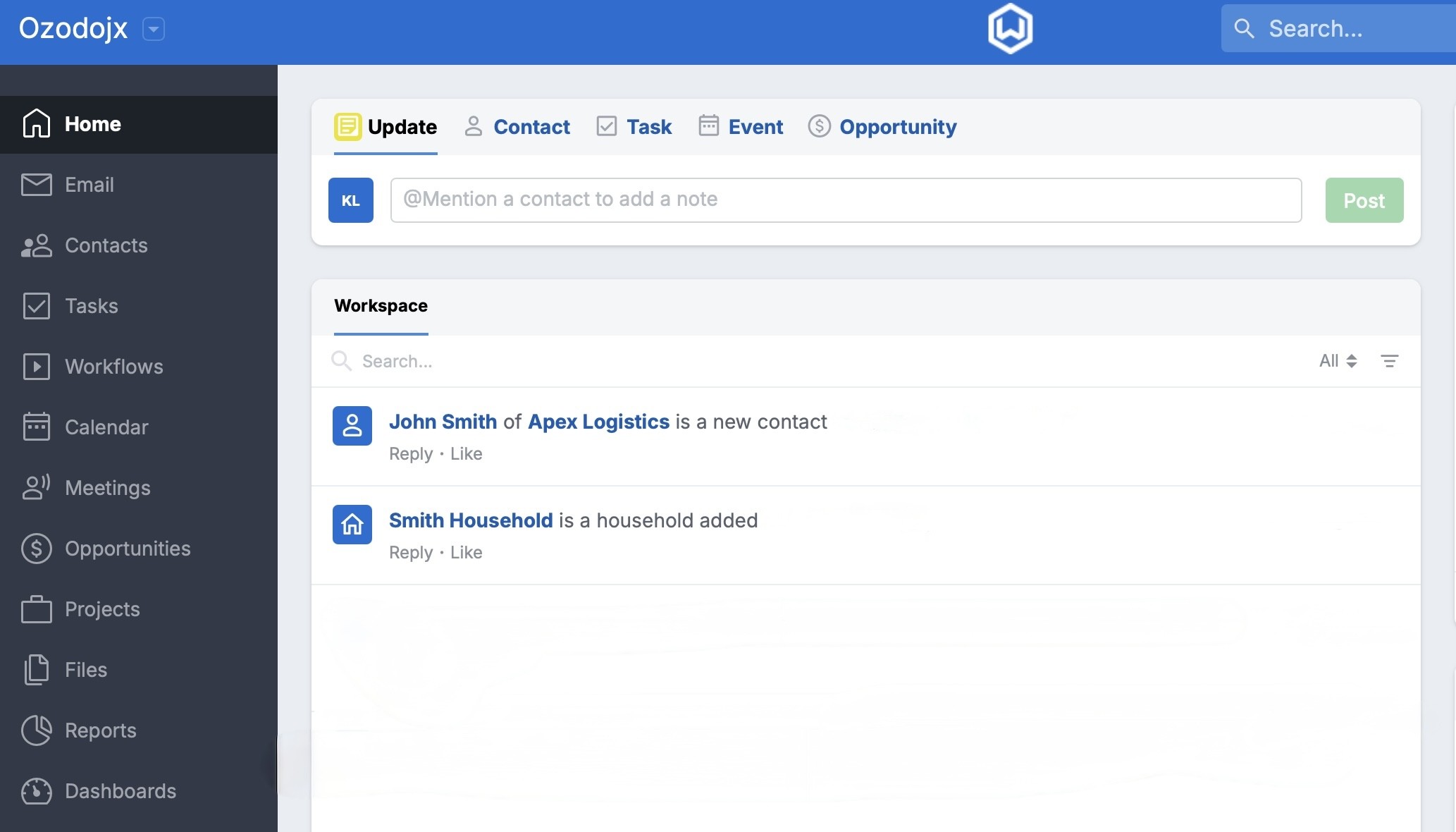
Every CRM demo now says AI. The question that matters is simpler: can a model read your client data and write back to it, under your control? Here are the three tests.
We Spent $20,000 to Run AI Locally
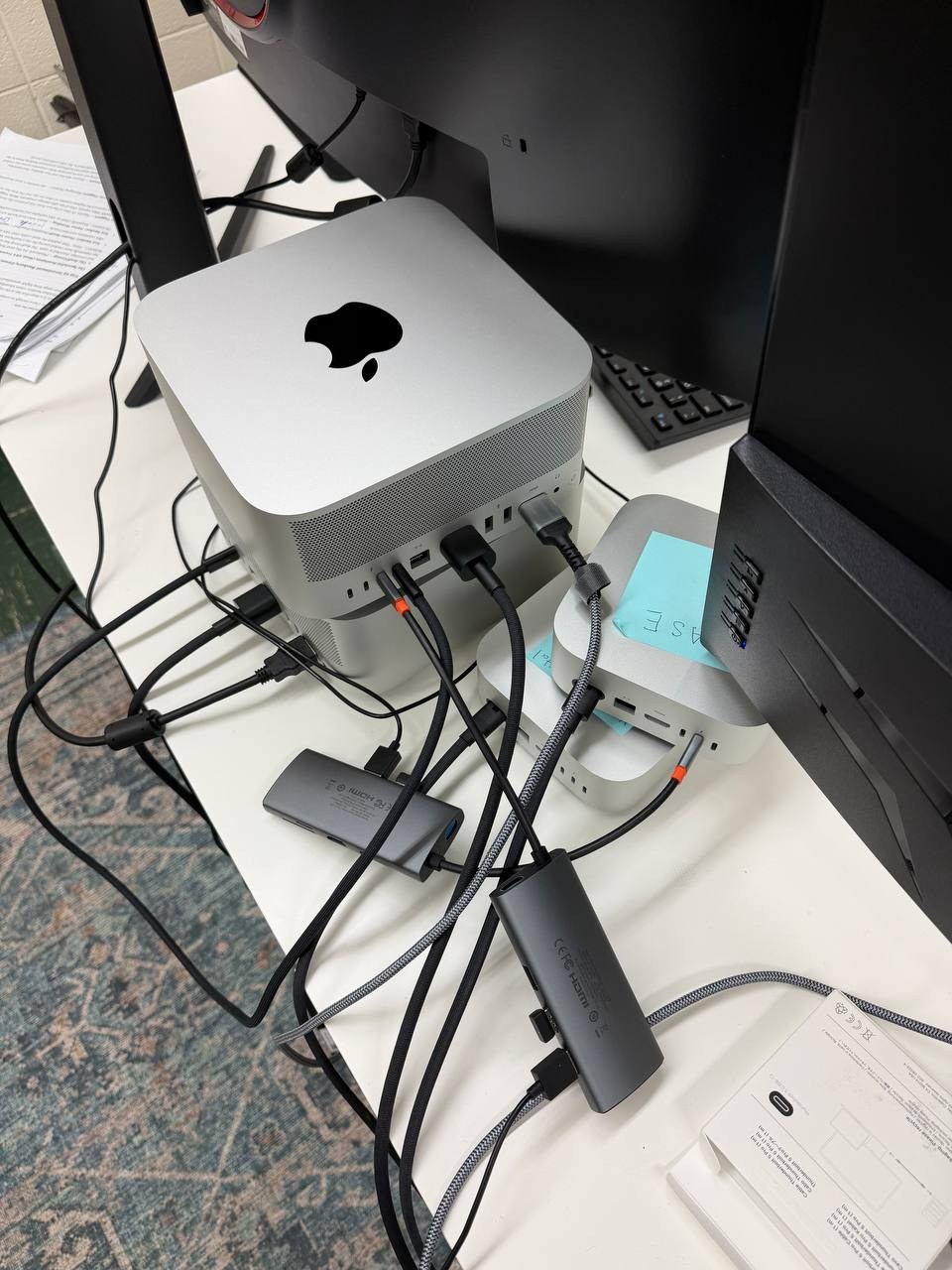
We bought two Mac Studios to run open models in house and stop renting AI by the token. The hardware worked. The economics, and the intelligence gap, did not.
About the author

Written by
Michael Pavlovskyi
Founder, Bace Agency
Michael builds custom Claude and GPT workflows for insurance agencies, law firms, and PE firms on Chicago's North Shore. Speaker at Northwestern and Lake Forest College on practical AI adoption for professional services.
Connect on LinkedInSee it in your firm
Book an audit.
A free 30-minute AI audit. No obligation, no pitch deck.
Book a free AI audit