
The Real Cost of an AI Project
A small North Shore firm can get a real, fixed number for an AI project, without a blank check or a six-month build.

Key Takeaways
- ✓ The price of an AI project is set by scope, data readiness, security tier, and training, not by the model you pick.
- ✓ Hourly billing hides the number and rewards slowness. A real fixed price moves the overrun risk off your desk and onto the vendor.
- ✓ The most expensive AI project is the wrong one. Picking the right first workflow matters more than any single line item.
- ✓ A serious firm can give you a fixed number after a short audit. If it will not commit to one, that is your answer.
Most owners on the North Shore have already done the quiet research before they call. They have read the case studies and watched the demos. They are sitting on one private question they rarely ask out loud: what is this actually going to cost me? Here is the honest version most agencies will not lead with.
A first AI project at a small professional services firm is usually a few-week engagement, not a multi-month software build, and the price is set by how messy your workflow is, not by how impressive the technology sounds. The number is knowable. The reason you rarely hear it up front is that the standard way this work is sold is built to keep it vague. Let me walk through what really drives the cost, what hides off the quote, and how to buy it without a blank check.
What Actually Drives the Cost
People assume the price tracks the technology. It does not. The same AI model that drafts a marketing email can review a contract. What changes the cost is everything around the model. For a small or midsize firm, four drivers do most of the work.
- Scope. One workflow costs less than five. The single biggest lever on price is how many processes you automate at once. A Wilmette estate-planning firm automating one intake form is a small job. The same firm automating intake, document drafting, and renewal reminders together is three jobs sharing one kickoff.
- Data readiness. AI is only as good as what you feed it. If your files are organized and your systems talk to each other, the build is fast. If your data lives in twelve folders, three inboxes, and one person's head, someone has to clean and connect it first. That cleanup is often the quiet majority of the work.
- Security tier. A firm holding privileged files or family financial records cannot run sensitive work through a consumer chatbot. The safer setups, private infrastructure you control with a human review step and a full audit trail, cost more than a basic deployment. That is not a tax. It is the difference between a tool you can defend to a client and one you cannot.
- Training and adoption. A system nobody uses is a total loss, no matter how cheap the build was. The firms that get value spend real time getting the team comfortable. Budget for that, or budget to redo the project in a year.
Notice that none of these four is the model itself. That is the part vendors love to talk about and the part that matters least to your invoice.
The Costs That Do Not Show Up on the Quote
When owners picture the cost, they picture the build. The build is the easy part to price. The expensive parts hide around the edges, and a firm worth hiring will name them before you sign.
The biggest cost rarely appears on any quote: choosing the wrong first project.
The wrong first project. A large share of AI work fails, and not because the technology is weak. In Gartner's April 2026 survey of infrastructure and operations leaders, the most common reason given for AI failure was expecting too much, too fast. A project aimed at the wrong workflow can cost you the full build and return nothing. That is the most expensive outcome there is, and it never appears on a quote.
Your own team's time. Every engagement pulls hours from the people who run your firm. A vendor who hides that line is not saving you money. They are surprising you later. I would rather tell you up front that your operations lead spends a few hours a week with us during a short engagement than pretend the work happens in a vacuum.
Getting security wrong. For a law firm or family office, a security mistake is not a line item. It is the whole business. The good news is that this is a known risk that firms already manage. I wrote about it at length in why security fears kill more AI projects than actual breaches. The point here is simple: security has a cost, and an honest proposal shows it instead of burying it.
Maintenance after handoff. Most quotes stop at launch. But a system nobody owns slowly rots as your tools and forms change. Ask what ongoing support looks like before you agree to the build, not after something breaks.
"Price is what you pay. Value is what you get."
Warren BuffettWhy Hourly Billing Hides the Number
The usual way to buy this work is by the hour. An agency quotes a rate, gives you a range, and bills against it. On paper that sounds fair. In practice it does something quiet and expensive. It removes any reason for the vendor to be fast.
When the work is billed hourly, the agency earns more the longer it takes. A review of software pricing models makes the incentive plain. Under time and materials, the firm doing the work is paid more the longer it runs. Under a fixed price, it is paid the same whether the job takes two weeks or four. The same analysis notes fixed-price quotes often carry a risk premium, sometimes fifteen to thirty percent, because the vendor prices in the chance the work runs long. The real question is who carries that risk. With hourly, you do. With a real fixed price, the vendor does.
| Hourly billing | Fixed price | |
|---|---|---|
| Who carries overrun risk | You | The vendor |
| Incentive to finish fast | None | Strong |
| Budget certainty up front | Low | High |
| Pressure point | The clock | The scope |
For a law firm or family office, the hourly model is especially uncomfortable. These are the same people who spend their days explaining to their own clients why a blank check is a bad idea. You already know what an open-ended engagement does to a budget. You have lived on the other side of it.
A Prompt You Can Try Today
You do not need a vendor to start thinking clearly about this. Open Claude or ChatGPT and try the prompt below. It walks you through the factors that will move your price before you ever sit across from anyone.
SAMPLE CLAUDE PROMPT
"You are advising the owner of a small professional services firm on Chicago's North Shore who is evaluating an AI automation project.
1) Ask me about my current workflows, data sources, security needs, and team size.
2) Give me a plain-language list of the factors that will push the price up or down.
3) Flag anything that suggests I should start smaller.
4) Do not estimate a dollar figure.
Help me walk into a vendor conversation knowing exactly what to ask."
You will get back a clear picture of your own cost drivers and a short list of questions, in about five seconds. For more prompts like this, we collected a few in five Claude features most small business owners miss.
What a Transparent Price Looks Like
Transparency is not a personality trait. It is a structure. Here is what it means for the work we do at Bace.
It starts with a free 30-minute AI audit. The deliverable is a plain reading of where automation would save the most time, plus a fixed-price proposal. Not a range. A price you can hand to your partners and treat as real, because it is.
It continues with no hourly billing. The price is the price. If the work runs long, that is the vendor's problem to solve, not yours to fund. That single decision aligns the incentives. We get paid to be efficient, which is exactly what you want from anyone touching your operations.
It shows up in scope. A fixed price only works when the scope is written down clearly, so both sides know what is in and what is out. That is the same discipline a good attorney brings to an engagement letter and a family office brings to an investment mandate. You already do this. We match it.
And it shows up in the timeline. Most of our engagements run two to six weeks from kickoff to handoff. A timeline measured in weeks is itself a form of honesty, because a project measured in months is usually one where nobody wants to commit to a number. If you want the full method, I laid it out in the North Shore business owner's guide to AI implementation, and the firm-specific version is what the consulting work is for.
"The real cost of an AI project is knowable. It just takes a firm willing to scope it, price it, and stand behind the number."
What It Tends to Be Worth
A transparent cost only matters next to a transparent return. Firms accept the trade because the work pays for itself in time recovered.
The pattern across our engagements is consistent: repetitive manual work removed, judgment kept with your team. A North Shore family office could reclaim a meaningful block of staff hours each week by automating a set of core processes, while keeping every client-facing decision with the people who are supposed to make them. That is the shape of a good AI project for this kind of firm. It does not replace your judgment. It clears the busywork so your team has time for the judgment calls.
So what does an AI project cost? It depends on the four drivers above, which is exactly why you should distrust anyone who names a confident number before seeing your operations, and equally distrust anyone who refuses to commit to a fixed number after they have.
For firms ready to see what this looks like in practice, a free 30-minute AI audit is available in person in Lake Forest or on video. No obligation. The output is a one-page plan with a fixed price your team can act on inside a quarter.
Frequently Asked Questions
How much does a typical AI project cost for a small firm? +
There is no honest single number, because the price is set by scope, data readiness, security tier, and training, not by the technology. A serious firm can give you a fixed price after a short audit of your actual workflows. Be cautious with anyone who quotes a precise figure before seeing how you work.
Why is fixed price better than hourly for AI work? +
Hourly billing rewards slowness, since the vendor earns more the longer the project runs, and it leaves overrun risk on you. A fixed price moves that risk to the vendor and gives you budget certainty up front. The trade-off is that the scope has to be written down clearly, which is good discipline anyway.
What hidden costs should I expect? +
Four that rarely appear on a quote: the cost of picking the wrong first project, your own team's time during the build, the cost of doing security properly, and maintenance after handoff. An honest proposal names these before you sign.
How long does an AI project take? +
For a small or midsize professional services firm, most first projects run a few weeks, not months. A timeline measured in weeks is itself a sign that the vendor is willing to commit to a number.
How do I keep client data safe during an AI project? +
Use a setup matched to your data: private infrastructure you control for sensitive work, a human review step on client-facing output, and a full audit trail. For a deeper walkthrough, see our piece on AI security for professional services firms.
Related Articles

Small North Shore Firms Are Beating Big Ones to AI
While a national firm spends a year debating AI strategy, the small practice down the street already answers clients faster. The gap compounds every week.

What North Shore Firms Should Not Automate
Most AI consultants will automate anything you point at. Here is the short list I tell clients to leave alone.

What Anthropic's Valuation Means for Small Firms
Anthropic just became the most valuable AI startup at a $965 billion valuation. The fad question is closed. The useful question is where AI fits in your firm, and where it does not.
About the author

Written by
Michael Pavlovskyi
Founder, Bace Agency
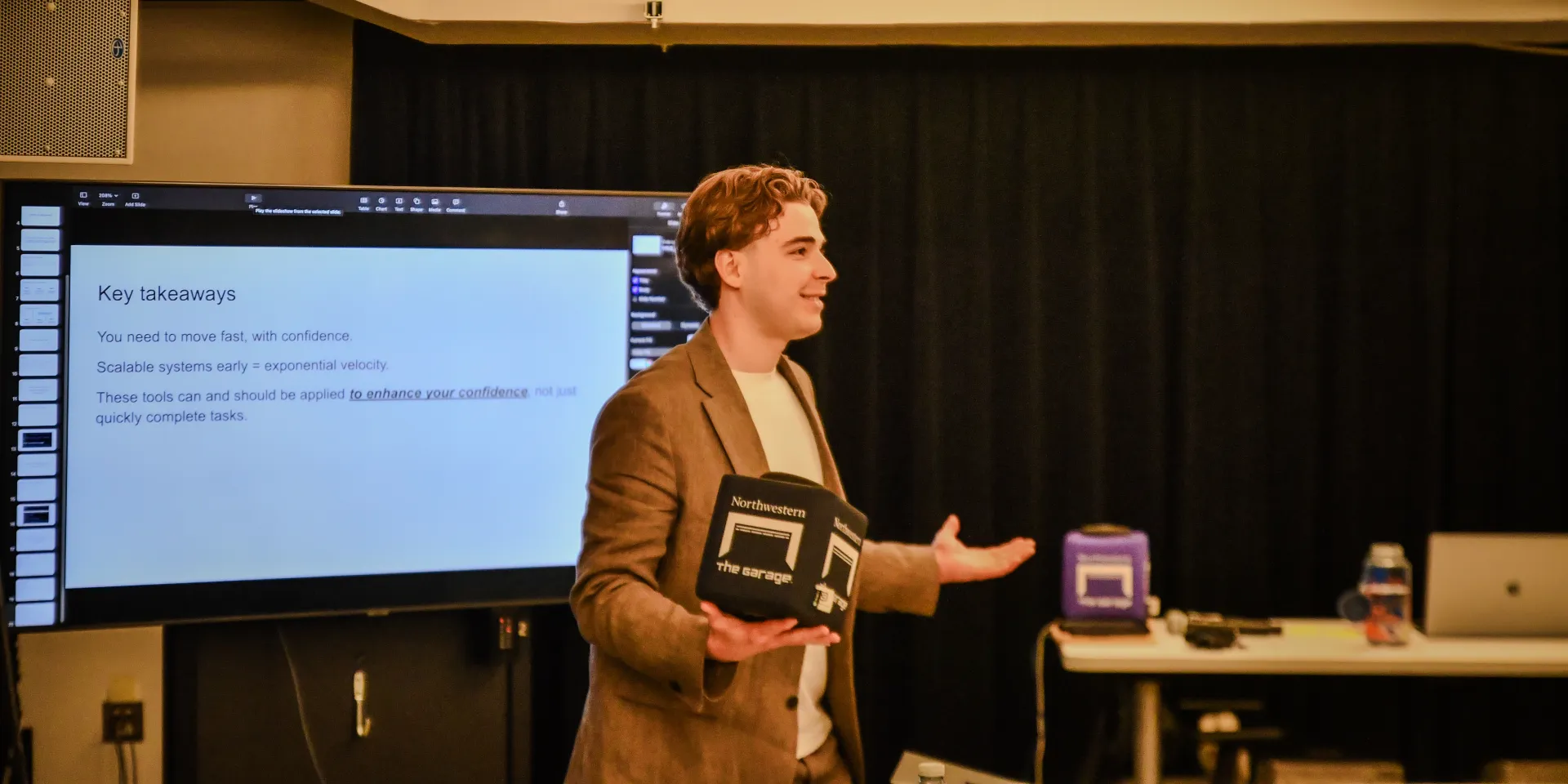
Michael builds custom Claude and GPT workflows for insurance agencies, law firms, and PE firms on Chicago's North Shore. Speaker at Northwestern and Lake Forest College on practical AI adoption for professional services.
Connect on LinkedInSee it in your firm
Book an audit.
A free 30-minute AI audit. No obligation, no pitch deck.
Book a free AI audit