
AI Agents Do the Work
Most advisors think they have a technology problem. They don't. They have a workflow problem. Here is what that actually means, and what to do about it.

Key Takeaways
- ✓ The average advisor loses 60 hours a month to follow-up, onboarding, and compliance admin. That is not a technology gap. It is a workflow gap.
- ✓ A chatbot answers questions. An AI agent is closer to a junior operations employee: it takes a goal and works through every step until it is done.
- ✓ The first wins for North Shore advisors are in meeting follow-up, prospect qualification, onboarding, compliance queuing, and referral tracking.
- ✓ Agents do not replace fiduciary judgment. They handle the operational layer so advisors can use their judgment where it actually matters.
A Highland Park wealth advisor finishes six client meetings on Thursday. Between the meetings and Friday morning, someone needs to write the summaries, send the follow-up emails, log the action items, update the CRM, and flag any compliance notes. That is not a technology problem. It is a manual process that runs on whoever has a free hour at the end of the day.
Most advisors describe this as "just part of the job." It is. But it is also the part that scales the worst and breaks down the fastest when the calendar fills up. AI agents are not a cure for everything. But they are genuinely well-suited to this category of work, and the firms getting results are the ones who stopped thinking about AI as a research tool and started building it into the actual workflow.
In This Article
The Real Cost of Manual Work
Before talking about solutions, it helps to put a number on the problem. Most advisors have never done this math.
| Weekly follow-up time: a typical advisory practice | |
|---|---|
| Meetings per week | 6 |
| Follow-up time per meeting | 30 min |
| Hours per week on follow-up alone | 3 hrs |
| Hours per month | 12 hrs |
| Add onboarding, compliance admin, referral tracking | +48 hrs |
| Total operational overhead per month | 60 hrs |
That is roughly a week and a half of work every month going to administration instead of clients. The operational overhead is not visible on any report. It just quietly limits how many clients the advisor can serve well.
Think of an Agent as a Junior Operations Employee
The cleanest way to understand what an AI agent does differently from a chatbot is to think about the difference between an assistant who answers questions and one who actually runs the process.
A chatbot is a research tool. You ask it something, it responds, and you decide what to do next. An agent is closer to a junior operations coordinator. You give it a goal: handle the post-meeting workflow for today's client calls. It reads the transcripts, writes the summaries, drafts the follow-up emails in your voice, logs the action items, flags anything for compliance review, and drops a tidy package into your queue for approval. You review and approve. The agent ran the process.
Think of an agent as an operations coordinator who never forgets a task, never leaves work unfinished, and does not go home at five o'clock. That is the operating capacity you gain. A 2026 Forrester assessment of agentic AI found that agents are now running multi-step work for hours or days, with human review at the key decision points. The pattern is the same in financial services.
What Computex Changed
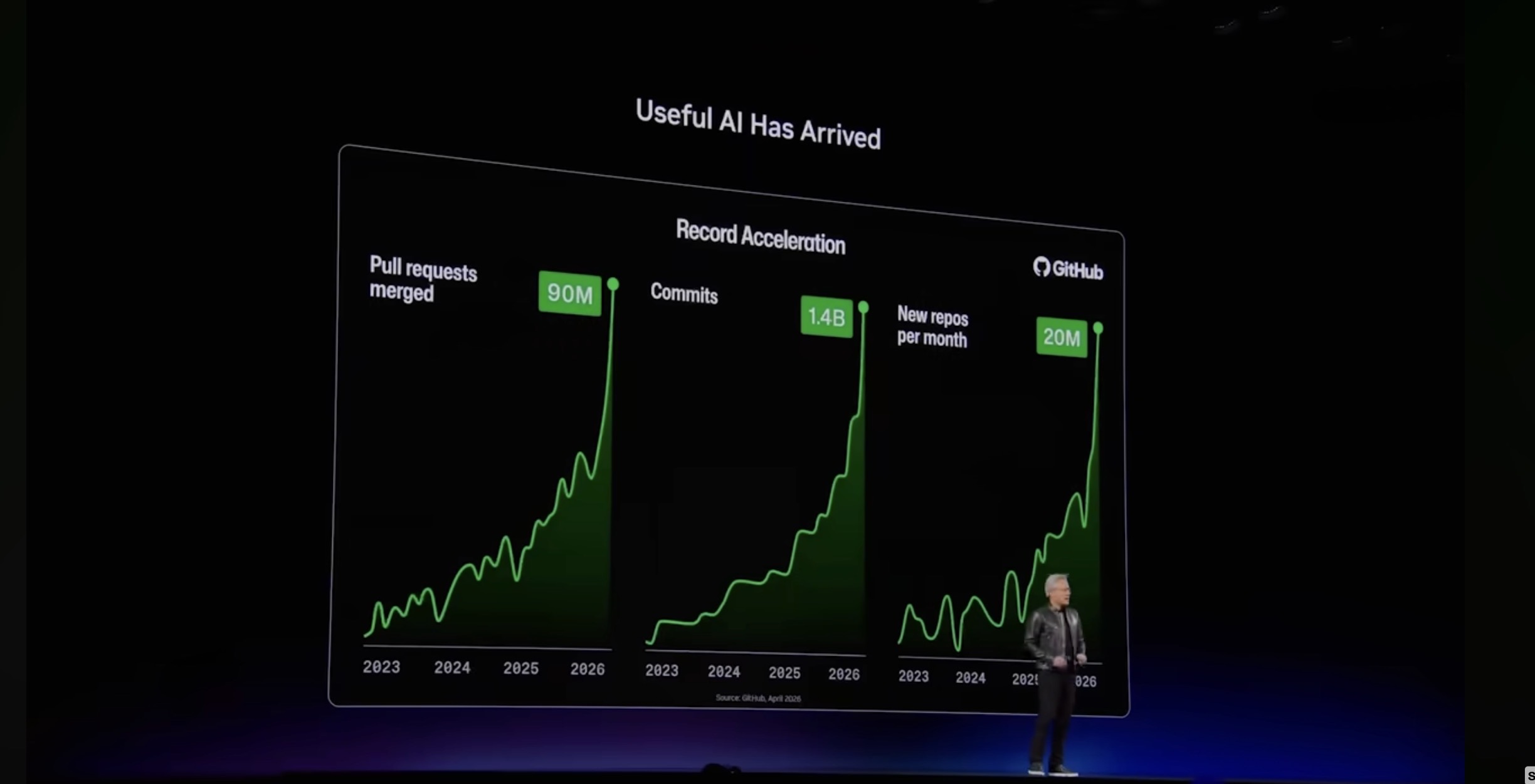
NVIDIA's Computex 2026 announcement matters because it makes agent infrastructure cheaper and more accessible. At the GTC Taipei keynote on June 1, NVIDIA framed agents as the new standard computing model, not a future technology, and showed hardware that brings agent-grade compute down to desk size. The deployment question just got easier for firms that have been waiting on the hardware side. Security and deployment options deserve their own discussion, which we cover in our AI agents and data security overview for North Shore firms.
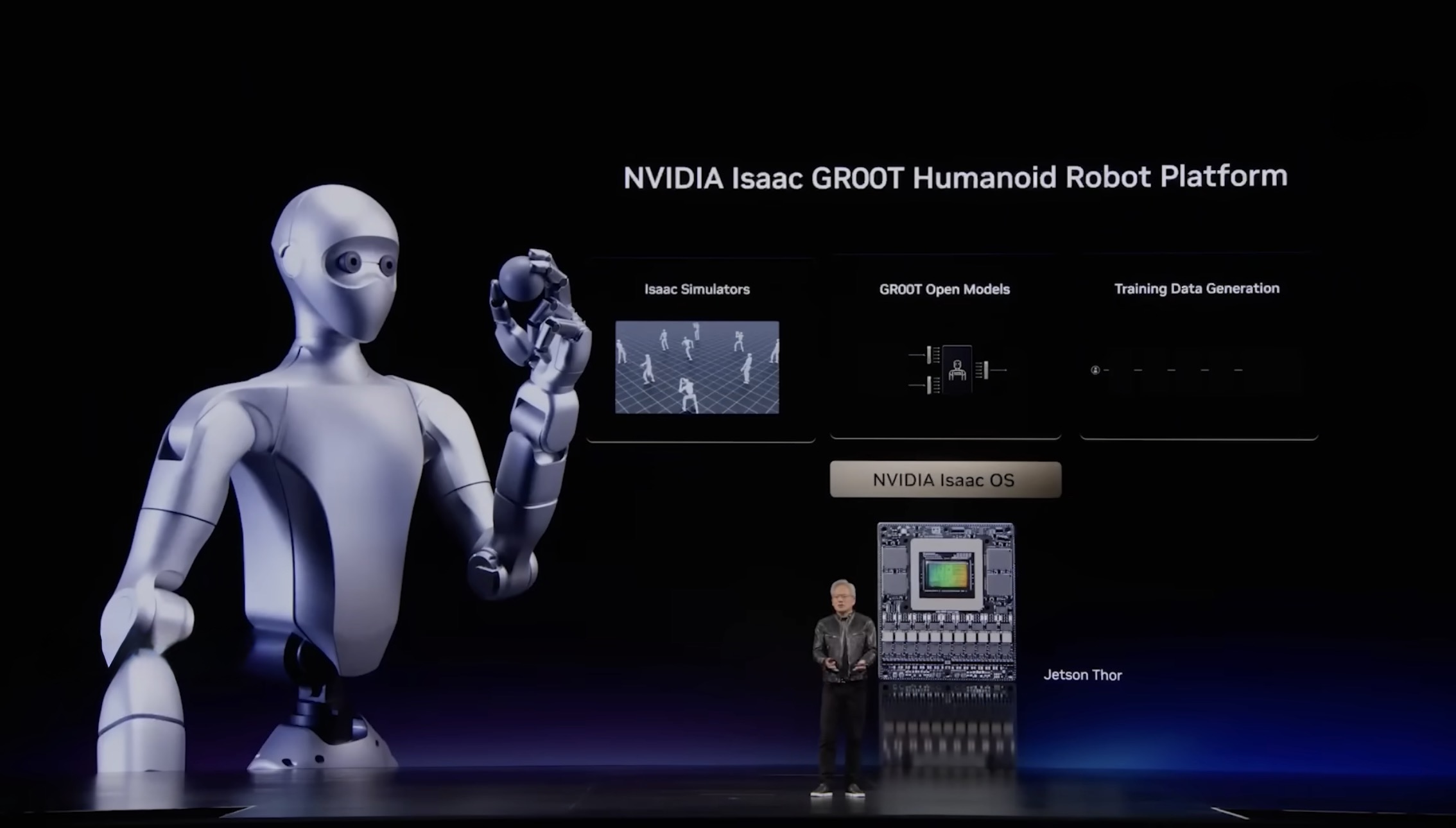
"Today we can say that agentic AI has arrived, that useful AI has arrived."
Jensen Huang, NVIDIA CEO, GTC Taipei at Computex 2026, TaipeiSix Use Cases for Financial Advisors
The firms getting real results are not running one large AI project. They pick one workflow, build it right, and expand when it earns trust. Here are the six workflows where North Shore advisory practices are seeing the clearest operational improvement.
1. Meeting Follow-Up, End to End
The highest-value workflow for most advisors is also the easiest place to start.
A client review meeting ends. The agent reads the transcript, drafts the follow-up email in the advisor's tone, identifies action items, logs key details into the CRM, and queues the next review task. The advisor opens the draft, edits if needed, and approves. Nothing goes to the client without a human review.
SAMPLE CLAUDE PROMPT
"Here is the transcript from today's client review meeting. Draft a 3-paragraph follow-up email in a professional, warm tone. List action items separately. Flag any portfolio changes for compliance review. Prepare a CRM log summary I can paste directly. Do not send anything."
2. Prospect Follow-Up
The fastest way to lose a warm lead is a slow first response.
A prospect submits a contact form at 8 p.m. The agent sends an immediate professional response, qualifies with two questions, and logs the inquiry. By morning the advisor has a qualified summary and a suggested meeting time in the queue. The firm that responds in minutes wins a meaningful share of inquiries over the firm that responds the next day.
SAMPLE CLAUDE PROMPT
"A new prospect submitted this contact form after hours. Draft a warm response that confirms receipt and asks two qualifying questions. Do not make any commitments. Queue the inquiry for my review tomorrow with a one-sentence summary."
3. Annual Client Touchpoints
The clients who feel forgotten are the ones most likely to leave quietly.
The agent monitors the client list, identifies anyone without a meaningful touchpoint in 90 days, checks the CRM for recent life events or portfolio changes, and prepares a personalized outreach email for the advisor to review and send. The advisor approves in two minutes instead of spending thirty pulling data manually.
SAMPLE CLAUDE PROMPT
"Identify clients with no logged interaction in the past 90 days. Draft a short personalized outreach email for each, referencing something specific from their record. Queue for my approval, flagging anyone overdue by more than 30 days."
4. New Client Onboarding
Onboarding is where advisors lose time and sometimes lose clients before the relationship starts.
The agent sends the initial document request, tracks responses, sends reminders on a set schedule, and alerts you when the package is complete. It checks for missing fields and flags incomplete forms before they go to the custodian. Consistent, professional, and running without anyone managing it.
SAMPLE CLAUDE PROMPT
"Review documents received against our onboarding checklist. Draft a follow-up email requesting missing items. Flag incomplete fields. List remaining items in priority order for account opening."
5. Referral Tracking and Follow-Up
Referrals are the highest-value leads most advisory practices manage the worst.
A client mentions they referred a friend. The agent logs the referral, monitors whether the prospect makes contact, sends a reminder to the advisor if nothing happens within a set window, and prepares a thank-you note to the referring client once the meeting is booked. The lead does not get lost. The relationship that generated it gets acknowledged.
SAMPLE CLAUDE PROMPT
"Log this referral from today's meeting. Set a 5-day follow-up reminder if the prospect has not made contact. Once they do, draft a thank-you note to the referring client acknowledging the introduction."
6. Compliance Queue and Annual Review Prep
Compliance tasks do not disappear when you are busy.
The agent monitors the calendar, identifies clients due for annual reviews, flags changes in client circumstances that might require suitability updates, and queues documentation tasks in order of urgency. The advisor works a sorted list instead of reconstructing it from scratch each quarter.
SAMPLE CLAUDE PROMPT
"Flag accounts with no documented annual review in the last 12 months. Note recent life events or portfolio changes that would require suitability documentation. List in priority order."

My Take: You Don't Have a Technology Problem
From the Builder's Chair
Every advisory practice I work with on the North Shore starts the same conversation. They want to know which AI tools to buy. That is the wrong question.
The firms that actually get results are not the ones with the best tools. They are the ones who knew their workflows before they started building. They could describe, in writing, every step of their post-meeting process, their onboarding process, their annual review process. Most practices do not have that documentation. No AI tool fixes a workflow problem. You have to fix the workflow first, then the tool runs it.
If you cannot write down the ten steps your team takes after a client meeting, you do not have a technology problem. You have a workflow problem. Start there.
The second thing I tell people: start with the one workflow that is failing the most visibly. Not the most complex one. The one where the team already knows something is getting dropped. Fix that first. Build it narrow. Run it for 30 days. Then expand.
The advisors who will look back at 2026 as the year things changed are not the ones who bought the most tools. They are the ones who finally mapped their workflows, found the three places where operational time was leaking, and built something simple and specific for each one. The technology is not the hard part.
How to Get Started
Map one workflow before you build anything
Pick the task your team does most repetitively after a client meeting. Write down every step, who does it, and how long it takes. You cannot automate a process you have not written down. Most advisory firms have never done this. The exercise alone usually surfaces two or three things worth fixing regardless of AI.
Build narrow. Add a review step before anything touches a client.
Start with one workflow, not five. Build in a human review before any agent output reaches the client. Every good implementation starts small, runs clean for a few weeks, and expands only after the team trusts it.
Measure time saved, then expand
After 30 days on the first workflow, count the hours recovered. That number determines whether you expand and how fast. The best builds grow slowly because the team keeps measuring and keeps building trust.
What Agents Should Never Do
Agents handle the operational layer. They do not replace the judgment layer. Here is the line.
The firms that get in trouble with AI almost always removed the human review step too early. The right design keeps a human at every client-facing gate. The agent prepares and routes. The advisor makes the call. The Forrester 2026 assessment of agentic AI put it plainly: most companies are chasing the technology, and few are catching it in a way that produces real workflow change.
Frequently Asked Questions
What is the difference between an AI agent and a chatbot? +
A chatbot is a research tool: you ask a question, it answers, and you decide what to do next. An AI agent takes a goal and works through every step to reach it. Give it the post-meeting workflow and it reads the transcript, drafts the follow-up, logs the action items, and queues a compliance flag, then hands you a package to approve. The chatbot informs. The agent runs the process, with you reviewing before anything reaches a client.
How much time can an advisory practice realistically recover? +
It depends on how much manual follow-up, onboarding, and compliance admin the practice runs today. A typical advisor handling six meetings a week loses roughly 60 hours a month to that work, about a week and a half. A narrow first workflow, like end-to-end meeting follow-up, often recovers a meaningful share of that within the first month. The honest answer comes from measuring one workflow for 30 days, not from a vendor estimate.
Is it safe to use AI agents with client financial data? +
It can be, with the right setup: private infrastructure you control, a human review step on every client-facing output, and a full audit trail. The risk is not the agent reading data. It is removing the human review gate too early. For a deeper walkthrough, see our overview of AI agents and data security for North Shore firms.
How much does it cost to build an AI agent workflow? +
It is set by scope, data readiness, and security tier, not by the technology. A single narrow workflow on a consumer or team Claude plan is a modest engagement; a multi-workflow build on private infrastructure costs more. A serious firm gives you a fixed price after a short audit of your actual process. We break down the drivers in the real cost of an AI project.
What is the first workflow I should automate? +
The one that is failing most visibly, not the most complex one. For most advisors that is meeting follow-up: high volume, repetitive, and the place where things get dropped when the calendar fills. Map it step by step, build a narrow version with a review gate, run it for 30 days, and measure the hours recovered before expanding.
What do FINRA and the SEC say about AI agents in advisory practices? +
Regulators have not written agent-specific rules, so existing obligations apply: supervision, books-and-records, suitability, and the duty to review communications before they reach a client. In practice that means keeping a human approval gate on anything client-facing, logging what the agent does, and documenting your process. Treat an agent as supervised staff, not an autonomous decision-maker. This is general information, not legal or compliance advice; confirm specifics with your compliance counsel.
Related Articles

RoundTable Buys a Skincare Brand, and Healthcare Private Equity Meets AI
A Lake Forest firm just bought a skincare brand. The deal is a window into where healthcare private equity is heading with AI, and why it is a strategy problem first.
Lake Forest Hire: Can the Back Office Scale with AI?
Crescent Grove named a 25-year family-office veteran its growth chief. A rainmaker brings relationships. The harder question is whether the back office can scale as fast as the book.
When a CRM Is Truly AI-Ready for RIAs
Every CRM demo now says AI. The question that matters is simpler: can a model read your client data and write back to it, under your control? Here are the three tests.
About the author

Written by
Michael Pavlovskyi
Founder, Bace Agency
Michael builds custom Claude and GPT workflows for insurance agencies, law firms, and PE firms on Chicago's North Shore. Speaker at Northwestern and Lake Forest College on practical AI adoption for professional services.
Connect on LinkedInSee it in your firm
Book an audit.
A free 30-minute AI audit. No obligation, no pitch deck.
Book a free AI audit