
AI Fixes the First Impression Wealth Firms Overlook
Wealth managers on Chicago's North Shore compete on relationships, but the clients they fail to convert are usually lost in the first operational hour, not the first conversation.


Key Takeaways
- ✓ Most North Shore wealth managers lose new clients not in the first meeting but in the first operational hour. Only 17% of HNWIs feel their advisory experience has been seamless, per Capgemini, which means your intake process is the first real test of your brand.
- ✓ The core tools for an AI intake workflow (Typeform, Claude or GPT-4o via API, Zapier, and Wealthbox or Redtail) cost under $200 per month combined and can be connected in three weeks without a developer.
- ✓ Keep personally identifiable information, including SSNs and account numbers, out of the AI extraction step entirely. Route those fields directly to your CRM. The AI only needs stated goals, asset categories, and relationship context to generate a useful advisor briefing memo.
- ✓ The AI intake workflow does not replace your firm's KYC compliance obligations under FINRA Rule 4512. It accelerates data collection and flags gaps. The suitability determination still requires human review by the advisor and compliance team.
If your Highland Park or Glencoe RIA is still sending a new prospect a PDF and asking them to email it back, the relationship has started on the wrong foot. Not because you do not care, but because the operational signal you just sent is the opposite of what your brand promises.
An AI client intake workflow routes new wealth management prospects into a structured digital form, extracts key financial details into the CRM, flags compliance requirements, and drafts a pre-meeting brief for the advisor, all before the first call. Most North Shore RIAs can have this running in two to three weeks using Claude, Zapier, and their existing Wealthbox or Redtail instance, with no custom software development required.
Why First Impressions in Wealth Management Are Operational
Wealth managers on Chicago's North Shore have been told for decades that this business is about relationships. That is true. But the relationship does not begin at the first meeting. It begins at the first operational touchpoint, and for most firms, that touchpoint is still broken.
According to the Capgemini World Wealth Report 2026, only 17% of high-net-worth individuals feel their wealth advisory experience has been seamless and personalized. That means roughly 8 in 10 of the prospects you are pitching have already had a poor intake experience with a competitor. Most firms never measure this because the prospect who had a bad intake experience simply goes with someone else and never says why.
The same report found that 97% of wealth management firms still segment clients primarily by wealth band, not by behavior, stated goals, or readiness to act. That is not a technology failure. It is a data collection failure, and it starts at intake. If your questionnaire does not ask the right questions in the right sequence, you walk into the first meeting with less information than the prospect expected you to have.
Here is the contrarian read: the firms winning new high-net-worth clients in Lake Forest and Winnetka are not always the best advisors in the room. They are often the firms that got the operational layer right first. When a prospect submits a contact form and receives a structured, professional questionnaire within minutes, followed by a first call where the advisor already knows their situation, they form a specific impression: this firm is organized. In wealth management, organized reads as trustworthy.
"Your margin is my opportunity."
Jeff Bezos, on why incumbents who ignore an operational gap get undercut by competitors who notice it firstWhat an AI Intake Workflow Actually Looks Like
An AI client intake workflow is not a chatbot on your homepage. It is a connected sequence of tools that handles the operational work between a prospect's first contact and the advisor's first prepared conversation.
A prospect submits your contact form. Instead of routing to a general inbox, that submission triggers an automated questionnaire in Typeform or Jotform. The questionnaire asks about stated financial goals, approximate asset levels by category, existing advisory relationships, investment timeline, and any special planning needs such as estate, tax, or business succession. This is not a PDF. It is a structured digital form with conditional logic, so a prospect who identifies as a business owner sees follow-up questions about liquidity events that a retiree does not.
When the form is completed, Claude or GPT-4o processes the responses and extracts a structured summary. That summary is pushed into Wealthbox or Redtail via Zapier or Make, creating a pre-populated prospect record. The advisor receives a one-page briefing memo before the first call: what the prospect said, what information is still missing, and what compliance questions to address up front.
For more on how AI agents handle the broader operational layer of an advisory practice, see my earlier piece on what AI agents actually do for advisors who still spend 60 hours a month on admin.
| Step | Manual Intake | AI Intake Workflow |
|---|---|---|
| Response to prospect inquiry | 1 to 3 business days | Automated follow-up within minutes |
| Information gathering | PDF form or unstructured email thread | Structured digital questionnaire with conditional logic |
| CRM entry | Manual data entry by staff | Automated via Zapier or Make |
| Advisor preparation | Advisor reads raw notes before the call | AI-generated briefing memo delivered before the call |
| Compliance flag review | Done in the meeting or missed entirely | Flagged automatically during form processing |
The result is not just a faster intake. It is a different kind of intake. The prospect's experience is organized and professional from the first touchpoint. The advisor's experience is prepared rather than reactive. That shift in operational quality is what changes how a first meeting feels to both parties.
How to Build This Without a Developer
A North Shore RIA does not need an engineering team to build this. The tools are available, and the workflow is a connection job, not a coding job. Here is a three-week build sequence that assumes your firm already has a CRM in place.
Week 1: Audit and Design the Intake Questions
Pull out your current new account form and your standard first-meeting agenda. List every piece of information you need before you can have a productive first call. Sort those questions by who answers them best: the prospect in writing, the advisor on a call, or a third-party data source. The questions that belong in the written questionnaire are the factual ones: asset categories, existing advisors, approximate values, stated goals, and timeline.
By the end of Week 1, you have a clean list of questions for your digital form and a clear view of where your current process leaves gaps before the first meeting.
Week 2: Build the Form and the Automation
Set up the digital form in Typeform or Jotform. Use conditional logic so prospects only see questions relevant to their situation. Connect the form to Zapier or Make. Build an automation that sends the completed form to Claude's API with a structured extraction prompt, then pushes the result into Wealthbox or Redtail as a new prospect record.
By the end of Week 2, you have a working data flow. Test it with five fictional submissions before it goes live with real prospects.
Week 3: Build the Advisor Briefing Memo
Add a second AI step: after the CRM record is created, Claude takes the structured data and generates a one-page briefing memo for the advisor. Include stated goals, missing information, compliance questions to address up front, and a suggested first-call agenda. This is the step that changes what the first call feels like from the advisor's side.
By the end of Week 3, every advisor receives a structured brief before each first call, with no manual prep work from staff.
Here is a Claude prompt you can use as the extraction step in your Zapier or Make automation:
SAMPLE CLAUDE PROMPT
"The following text is a completed client intake form submitted by a prospective wealth management client. Please extract and structure the following: (1) stated financial goals in order of priority as the prospect expressed them; (2) approximate asset levels by category (retirement accounts, taxable brokerage, real estate, business equity, other); (3) existing advisor or custodian relationships; (4) investment timeline and any major liquidity events mentioned; (5) any compliance flags such as politically exposed person status, foreign assets, unusual income sources, or pending litigation. Format as a pre-meeting briefing memo the advisor can read in under three minutes. Flag any fields where the prospect gave vague or incomplete answers."
This intake pattern also pairs well with the AI document processing pipeline for RIAs handling quarterly statements and onboarding packets once a prospect converts to a client.
Data Security and Compliance Considerations
This is where most wealth managers pause, and rightly so. Your clients' financial information carries fiduciary weight. Before routing any client data through an AI tool, your firm needs to answer two questions: where does the data go, and what does the provider do with it?
Anthropic and OpenAI both offer API-level data processing agreements that prohibit training on your data. When you send client intake responses through the Claude API under an enterprise agreement, the data is not used to train the model. That is the same standard your firm already applies to other SaaS vendors handling sensitive client information.
For firms that want to keep all processing on-premises, there are strong options. Running an open-weight model on local hardware removes any third-party data exposure entirely. This approach is covered in detail for Highland Park family offices that run AI in-house rather than in the cloud.
On the regulatory side, the AI intake workflow does not replace your firm's KYC obligations. FINRA Rule 4512 requires firms to collect and verify specific customer account information before opening new accounts. The AI step accelerates collection and flags gaps. The advisor and compliance team still review the output and make the suitability determination. The workflow is an operational assist, not a compliance substitute.
"What gets measured gets managed."
Peter Drucker, on why the firms that build structured data collection first are the ones with clean audit trails laterOne practical rule: keep personally identifiable information, including SSNs, account numbers, and passport data, out of the AI extraction step entirely. Structure your intake form so those fields go directly into the CRM via a secure integration, not through the AI prompt. The AI processes stated goals, asset categories, and relationship context. That is enough to generate a useful briefing memo without touching the most sensitive data fields.
For a full picture of how to structure AI workflows with a security-first architecture, our AI consulting practice covers data handling requirements in the initial engagement for every North Shore firm we work with.
Where to Start This Week
According to the EY GenAI in Wealth and Asset Management Survey, 95% of wealth management firms have already scaled AI to multiple use cases. If your firm is still evaluating where to begin, you are no longer an early mover. You are in the 5%.
The practical starting point does not require a new software purchase. Take your current new client questionnaire and paste it into Claude. Ask Claude to identify every question a prospect could answer in writing before the first meeting. Then ask it to suggest the conditional logic: which follow-up questions should appear based on different answers. That exercise takes about 30 minutes and produces a working first draft of your digital intake questionnaire.
For a structured assessment of which AI workflows in your practice are ready to build right now, the AI readiness quiz takes about five minutes and produces a prioritized list of automation candidates specific to your firm type and size.
The firms that get intake right create a first impression that feels like a relationship before the relationship has technically started. That is not a technology story. It is an operations story that technology makes possible. And it is the operational gap most North Shore wealth managers are still leaving open for a faster firm to step through.
For firms ready to see what this looks like built and running in a North Shore advisory practice, a free 30-minute AI audit is available, in person or on video. No obligation. The output is a specific build plan your team can act on inside a month.
Frequently Asked Questions
What tools do I need to build an AI client intake workflow for a wealth management firm? +
The core tools are a digital form builder (Typeform or Jotform), an AI processing layer (Claude via API or GPT-4o), an automation connector (Zapier or Make), and your existing CRM (Wealthbox or Redtail). Most North Shore RIAs already have a CRM. The other tools typically cost under $200 per month combined for a firm processing 10 to 20 new prospects monthly, and none require custom software development.
Is it legal and safe to send client financial information through AI tools? +
Yes, if you follow the right data handling practices. Anthropic and OpenAI both offer API-level agreements that prohibit using your data to train their models, which is the standard applied by other SaaS vendors in wealth management. Keep personally identifiable information (SSNs, account numbers) out of the AI prompt entirely. The AI should process stated goals, asset categories, and relationship context only. That is enough to generate a useful briefing memo without exposing the most sensitive client data fields.
Does an AI intake workflow replace the KYC and suitability determination process? +
No. An AI client intake workflow accelerates the data collection and gap-flagging steps that happen before the advisor's first call. Your firm's compliance obligations under FINRA Rule 4512 and applicable SEC regulations still require human review and a suitability determination by the advisor. The AI handles the operational layer: collection, extraction, and organization. The compliance determination stays with your team.
How long does it take to build an AI client intake workflow without a developer? +
For most North Shore RIAs, the workflow can be built and tested in two to three weeks with no custom software development. Week 1 covers design: auditing your current intake questions and deciding which belong in a written questionnaire. Week 2 covers building the digital form and the Zapier or Make automation. Week 3 covers adding the AI-generated advisor briefing memo and running test submissions before going live with real prospects.
What is the biggest mistake firms make when building an AI intake workflow? +
Trying to automate everything at once. The firms that see results fastest start with one focused sequence: a structured digital questionnaire that populates the CRM and generates a pre-meeting brief for the advisor. Once that is running and the team trusts it, they add compliance flagging, follow-up sequencing, and deeper CRM integration. Starting with the full vision usually means nothing ships in the first quarter.
Related Articles
RoundTable Buys a Skincare Brand, and Healthcare Private Equity Meets AI
A Lake Forest firm just bought a skincare brand. The deal is a window into where healthcare private equity is heading with AI, and why it is a strategy problem first.
Lake Forest Hire: Can the Back Office Scale with AI?
Crescent Grove named a 25-year family-office veteran its growth chief. A rainmaker brings relationships. The harder question is whether the back office can scale as fast as the book.
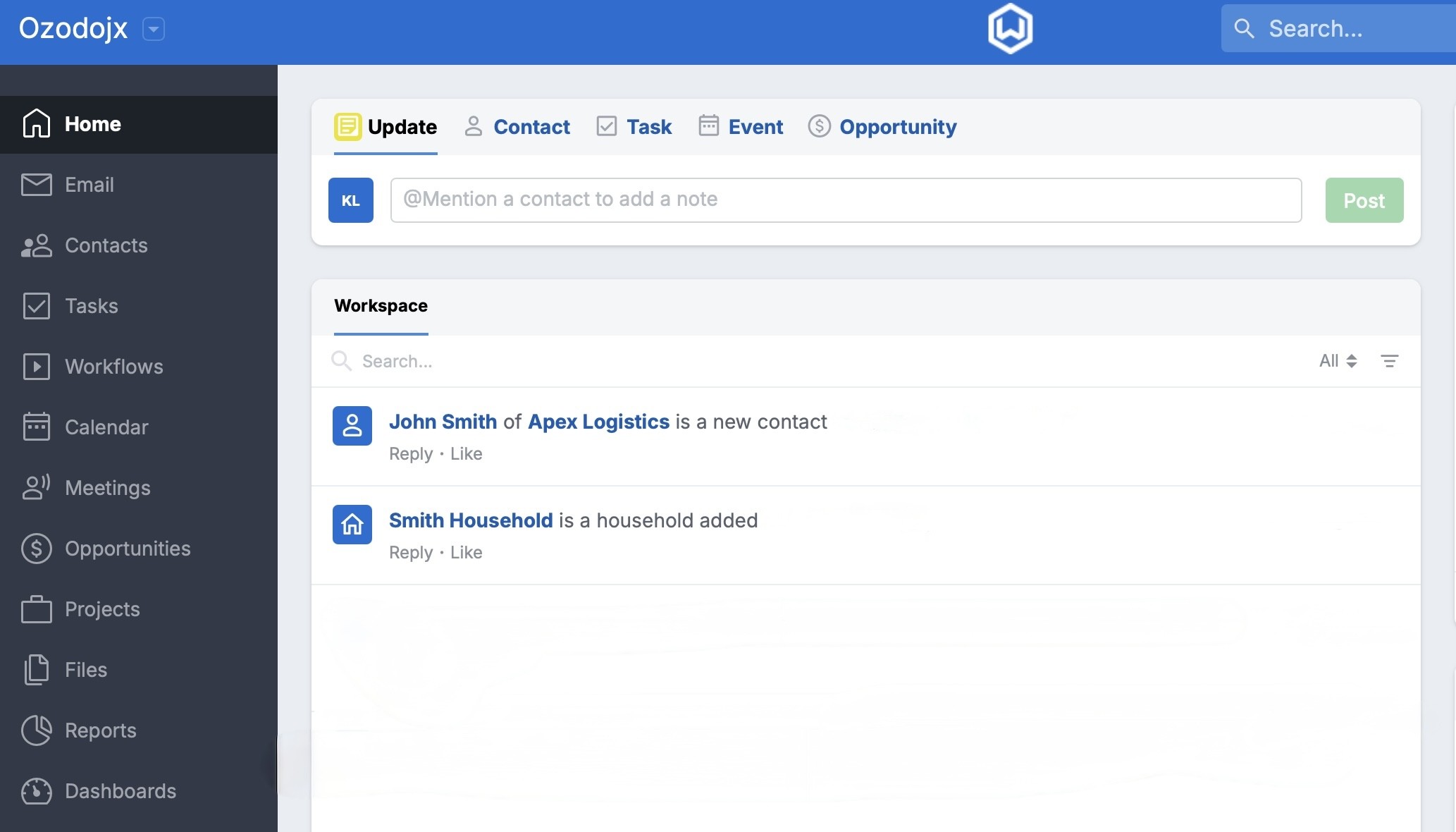
When a CRM Is Truly AI-Ready for RIAs
Every CRM demo now says AI. The question that matters is simpler: can a model read your client data and write back to it, under your control? Here are the three tests.
About the author
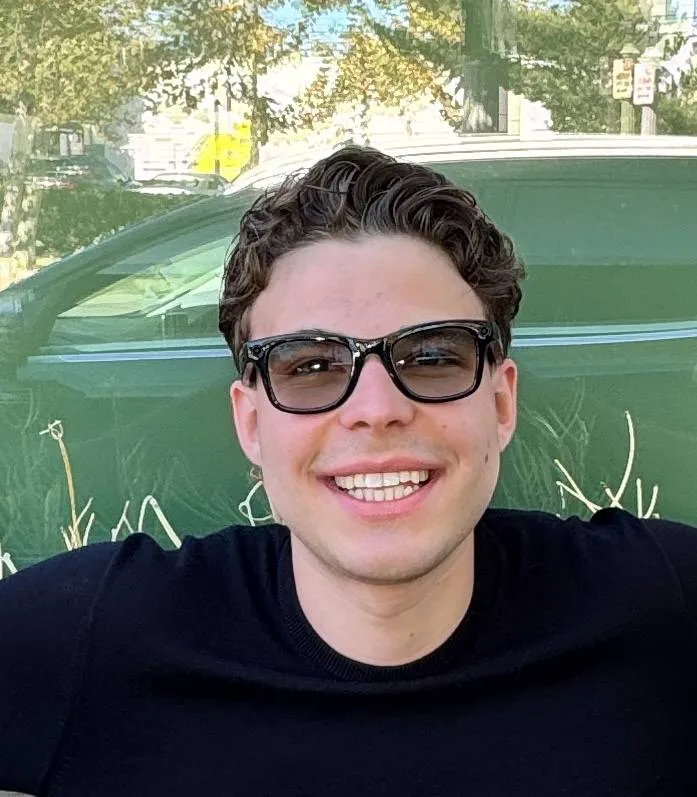
Written by
Michael Pavlovskyi
Founder, Bace Agency
Michael builds custom Claude and GPT workflows for insurance agencies, law firms, and PE firms on Chicago's North Shore. Speaker at Northwestern and Lake Forest College on practical AI adoption for professional services.
Connect on LinkedInSee it in your firm
Book an audit.
A free 30-minute AI audit. No obligation, no pitch deck.
Book a free AI audit